Can You Eat A Cat – Laws, Ethics, And Risks
You shouldn’t eat a cat. Many countries ban it because of strong ethical concerns and laws that protect cats as cherished companions.
Eating cat meat also poses serious health risks. These include parasites and diseases, especially when the meat comes from unregulated sources.
The legal consequences can vary, but they often include fines and prosecution related to animal cruelty laws.
Advocacy groups work hard to stop the cat meat trade and promote compassion for animals. Understanding these issues helps you see why eating cats is widely discouraged and regulated.
Why Does Eating Cats Raise Ethical and Legal Concerns?
Although cultural norms differ worldwide, eating cats raises significant ethical and legal concerns because these animals are widely regarded as companions deserving special care.
Eating cats raises ethical and legal concerns due to their status as cherished companions.
When you consider a cat’s role in many households, it’s clear why consuming them feels wrong to so many. Cats are more than just animals; they’re often seen as family members, which fosters a societal expectation to protect them.
This perspective drives laws in numerous countries that prohibit cat slaughter for food, highlighting growing concerns about animal welfare.
In addition, eating cats can pose health risks, including disease transmission, which adds to the ethical dilemma.
As you navigate this topic, it’s important to understand that the cat’s unique status deeply influences both public opinion and emerging regulations worldwide.
What Are the Laws Regulating Eating Cats Around the World?
How do laws around the world regulate the consumption of cats? The legal landscape surrounding cat meat varies widely, reflecting cultural differences and evolving animal welfare concerns. You should understand these key points:
In the United States, cat meat is generally prohibited. New York explicitly bans slaughtering cats and dogs for food.
Many Asian countries, like South Korea and China, lack national bans on cat meat, though local regulations can differ.
Taiwan enforces a strict ban on consuming cat and dog meat, showing a shift toward protecting animal rights.
Keep in mind, enforcement often intersects with animal cruelty laws, making legal clarity complex.
Understanding these laws helps you navigate the ethical and legal risks related to cat meat consumption globally.
Where Are Cats Eaten as Food Worldwide?
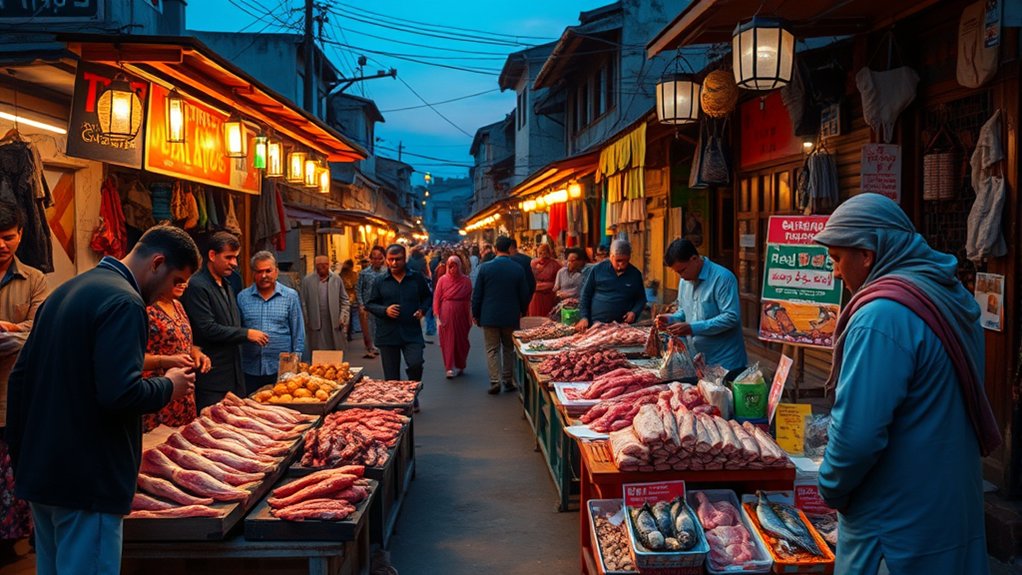
If you check out certain parts of Asia, like China, South Korea, Vietnam, and Indonesia, you’ll notice that eating cats has some historical and cultural roots. Sometimes, it’s linked to times when food was scarce.
In some African communities, cats might be eaten during tough times or specific rituals, but that’s pretty uncommon.
Regional Consumption Patterns
While cat consumption may seem unusual to many, it remains a part of culinary traditions in certain regions around the world.
If you’re exploring where cats or dogs are eaten, consider these regional patterns:
- In parts of Asia, including China, Vietnam, and Indonesia, cat meat is consumed during festivals or times of food scarcity.
- Some African communities have historically included cats in diets during famine or cultural rituals, though this is now rare.
- Legal protections vary widely; for example, Taiwan recently banned eating both cats and dogs to protect them.
You should also be aware that health risks like rabies and parasites increase with unsanitary meat processing.
Attitudes are shifting, with many younger people now seeing cats more as companions than food.
Cultural Traditions and Scarcity
Although eating cats is uncommon and often controversial, you’ll find that some cultures have long included cat meat in their diets, especially during times of scarcity or for traditional reasons.
In parts of Asia, such as China, Vietnam, and South Korea, cat meat has been consumed during festivals or for believed health benefits.
In certain African communities, cat meat serves as an essential food source during shortages.
These practices, however, are increasingly rare and face growing social stigma worldwide. Changing attitudes toward pet ownership and animal welfare, particularly among younger and urban populations, are driving declines in cat meat consumption.
Also, legal restrictions banning the slaughter and consumption of cats reflect broader cultural shifts aiming to protect animal welfare and reshape dietary norms around the world.
It’s interesting to see how these changes are shaping the future of food and culture globally.
How Do Cultural Traditions Influence Eating Cats?
Because cultural traditions shape what people consider acceptable to eat, the consumption of cats varies widely across the world. You’ll find that in some Asian regions, cat meat is eaten during festivals or as a delicacy, similar in cultural context to dog meat consumption in certain areas.
Here’s how traditions influence this practice:
- In northern Philippines, eating cats aligns with local customs, while southern regions see it as taboo.
- African communities may consume cats during food scarcity, blending survival with ritual.
- Younger generations and animal rights movements are shifting views, reducing acceptance of eating cats.
Understanding these cultural nuances helps you see why attitudes about eating cats differ and why pets remain off-limits in many societies. It’s all about perspective and tradition.
What Are the Health Risks of Eating Cats?

If you consider eating cat meat, you should understand the significant health risks involved.
Cat meat can harbor parasites like Toxoplasma gondii, which may cause severe illness. Furthermore, diseases such as rabies can be transmitted through improperly handled or undercooked meat.
Cat meat may carry harmful parasites and diseases like rabies, especially if improperly handled or undercooked.
Informal markets often lack sanitary processing, increasing the chance of contamination and foodborne infections. In addition, cats treated with antibiotics might carry antibiotic-resistant bacteria, posing further risks to your health. Health authorities strongly discourage consuming cat meat due to these dangers.
Being aware of these risks helps you make informed decisions about your food choices and prioritize your well-being.
Ultimately, the potential health consequences are serious and shouldn’t be overlooked when considering cat meat as a food source. So, it’s really best to think twice before you decide to eat cat meat.
What Legal Consequences Can You Face for Eating Cats?
When you reflect on eating cats, you should know that the legal consequences can be serious and vary widely depending on where you live. Laws often focus on preventing animal cruelty, and penalties can be severe.
Here are key points to reflect on:
In states like New York, slaughtering cats for food is illegal, though laws on consuming already butchered pets are unclear.
California prohibits possessing any pet carcasses, reflecting broader protections against animal cruelty.
States such as Virginia ban unnecessary killing of animals, which likely includes killing a cat for food, exposing you to legal risks.
Cases like Gary Korkuc’s show that animal cruelty charges can arise based on intent and treatment, regardless of specific consumption laws.
Always reflect on these legal realities before making decisions involving cat meat. It’s important to be aware of the laws in your area to avoid serious trouble.
How Are Animal Welfare Groups Fighting the Cat Meat Trade?
Animal welfare groups are stepping up efforts to combat the cat meat trade by pushing for stronger laws and raising public awareness worldwide.
You’ll find organizations like Humane Society International supporting local activists to educate communities about the dangers of consuming dog and cat meat. This includes health risks from zoonotic diseases.
These groups work closely with governments to promote humane, culturally sensitive alternatives to eating cats and dogs. Their campaigns emphasize that pets deserve protection and compassion, challenging the perception of these animals as food sources.
It’s all about changing minds and hearts.
By combining legal advocacy with education, animal welfare groups aim to reduce demand and ultimately end the cat meat trade.
They’re fostering a future where animal rights are respected and cruelty is minimized across the globe.
It’s a tough battle, but these groups are making real progress.
How Can You Help Stop Cats From Being Eaten?
Although changing long-standing cultural habits can be challenging, you can play an essential role in stopping cats from being eaten by supporting efforts that protect them. Here’s how you can help:
- Support animal welfare organizations by donating or volunteering. These groups also work to end the dog meat trade, which often overlaps with cat consumption.
- Raise awareness about the ethical and health risks tied to eating cats and dogs. Share facts on social media and in your community to shift perceptions.
- Advocate for stronger laws banning the cat and dog meat trade. Push for legal protections in places where pets are still consumed and promote humane food alternatives.
Frequently Asked Questions
What Parts of the Cat Are Typically Consumed?
You’ll typically find that the hindquarters, legs, and shoulders of a cat are consumed, as these parts offer the most tender and flavorful meat.
Cultural perspectives shape which parts are preferred, often focusing on areas with more meat.
People marinate or cook these cuts through grilling, stewing, or frying to improve taste.
While the entire cat, including offal, might be used, cultural sensitivity and ethical concerns play a big role in these choices.
Are There Any Nutritional Benefits to Eating Cat Meat?
Back in the days of knights, you’d find cat meat rich in protein and essential amino acids, offering real nutritional benefits.
From a cultural perspective, some societies value it for vitamins like B and iron, which support energy and blood health.
However, you should weigh these benefits against health risks and ethical concerns.
How Is Cat Meat Usually Prepared or Cooked?
You’ll find cat meat usually prepared with culinary techniques like slow braising or stewing to tenderize its tougher texture.
People often marinate it with spices such as chili oil, garlic, and ginger to enhance flavor. Barbecuing is also common in some cultures, especially during festivals.
These methods help guarantee the meat is both palatable and safer to eat.
It’s all about thoughtful preparation that’s rooted in tradition and care.
Can Eating Cat Meat Cause Allergic Reactions?
Imagine the sudden itch of a rash or the tightness in your chest after a bite. Yes, eating cat meat can cause allergic reactions.
Cultural perspectives vary widely, but if you’re sensitive to feline proteins like Fel d 1, you risk skin irritations, breathing problems, or stomach upset.
Cooking doesn’t always remove these allergens. So, if you know you’re allergic to cats, it’s wise to avoid eating cat meat to protect your health.
Has Eating Cats Appeared in Historical Texts or Folklore?
Yes, eating cats has appeared in historical texts and folklore, reflecting a complex cultural significance. You’ll find references in ancient China and medieval Europe, often linked to famine or desperation rather than preference.
Some Asian tales include cat meat in traditional recipes, showing survival instincts.
These stories reveal how societies viewed cats with mixed feelings. Sometimes they were seen as symbols of mystery or bad luck. Those perceptions influenced their cultural practices in different ways.
Conclusion
Eating cats isn’t just a legal minefield; it’s an ethical one too, like walking a tightrope over deep waters. You should understand the laws where you live, respect cultural differences, and consider the health risks involved.
More importantly, you can support animal welfare groups working to end the cat meat trade. By staying informed and compassionate, you play a crucial role in protecting these animals and promoting kindness worldwide.