Are Cats Omnivores – Diet Facts Explained
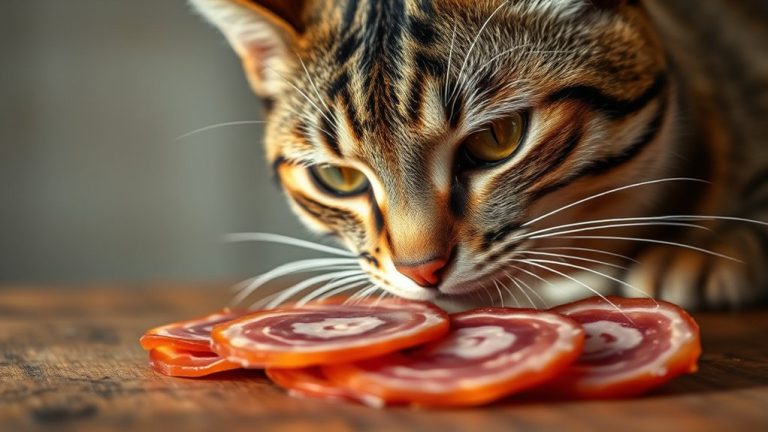
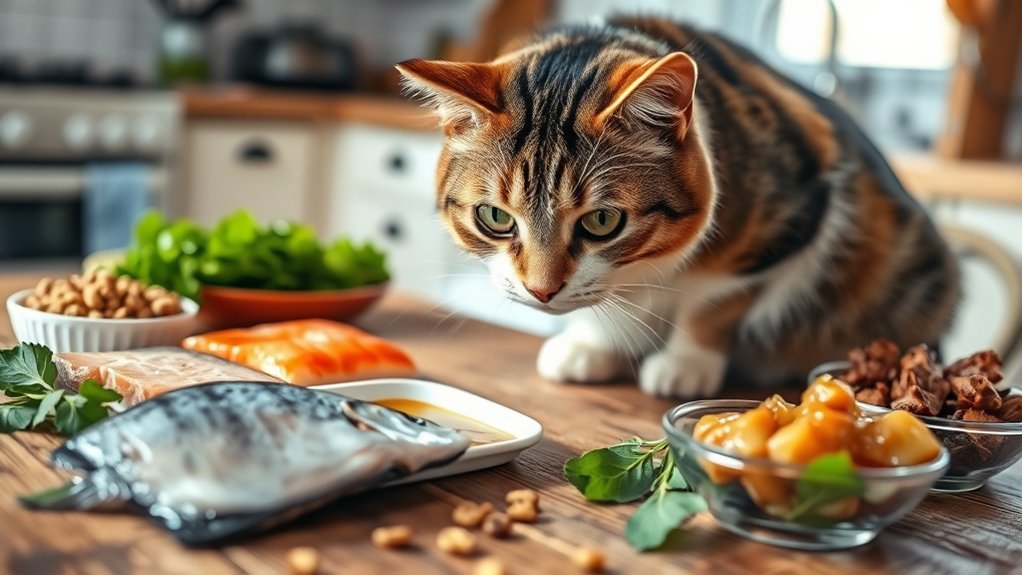
Cats aren’t omnivores; they’re obligate carnivores, meaning they need animal-based proteins and fats to stay healthy. Their bodies can’t efficiently digest carbohydrates like omnivores do, and they rely on nutrients like taurine and arachidonic acid found only in meat.
While small amounts of certain fruits or veggies might be safe, these don’t replace essential animal nutrients. Understanding their unique dietary needs helps you provide the best care and nutrition for your cat’s well-being.
What Does It Mean to Be an Obligate Carnivore?
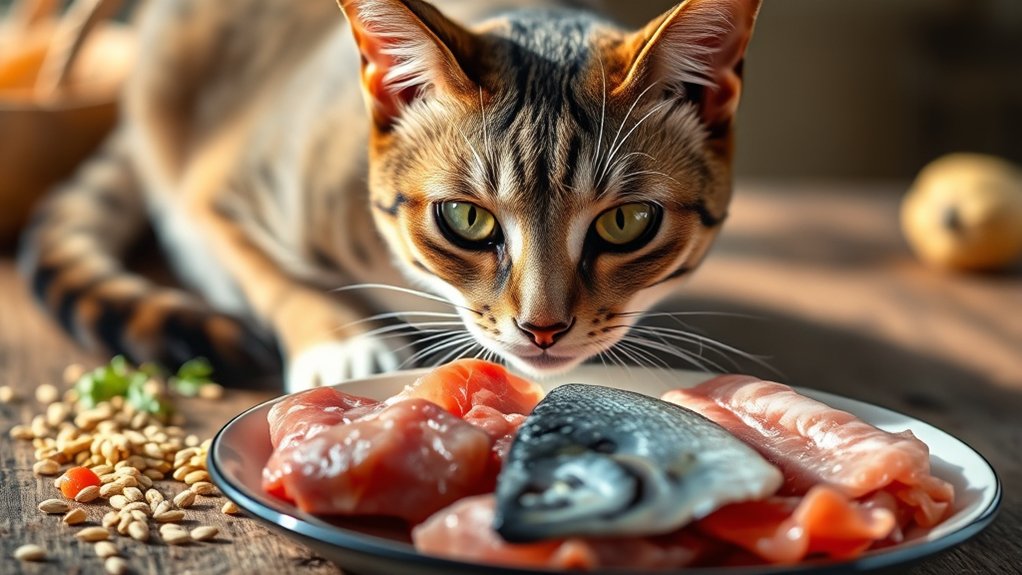
Being an obligate carnivore means that cats must rely almost entirely on animal-based proteins to meet their nutritional needs. As obligate carnivores, cats can’t produce certain essential nutrients from plant sources, so they depend on animal protein to get critical compounds like taurine, arachidonic acid, and vitamin A.
These nutrients are essential for maintaining heart health, vision, and overall bodily functions. Unlike omnivores, cats’ metabolism is adapted to efficiently process high levels of protein and fat found in meat.
Without enough animal protein, cats risk serious health issues due to nutrient deficiencies. So, understanding this dietary requirement helps you provide a balanced diet that supports your cat’s well-being by focusing on the essential nutrients only found in animal tissues.
How Cats’ Anatomy Supports a Meat-Based Diet
Cats’ bodies are built to handle a diet rich in meat, reflecting their status as obligate carnivores. Their shorter digestive tract, about four times their body length, is designed to quickly process animal protein rather than plant matter.
Cats require sharp molars adapted for shearing meat, not grinding plants, supporting their meat-based diet. They also produce low levels of amylase, which limits carbohydrate digestion. Plus, they lack enzymes like glucokinase, showing their metabolism is specialized for animal tissue.
These anatomical traits make sure cats efficiently extract the essential nutrients they need from meat. Understanding how cats’ anatomy supports a meat-based diet helps explain why feeding them plant-heavy foods just doesn’t meet their biological needs as obligate carnivores.
It’s pretty clear that meat is what their bodies are made for.
Why Protein and Fat Are Essential in a Cat’s Diet
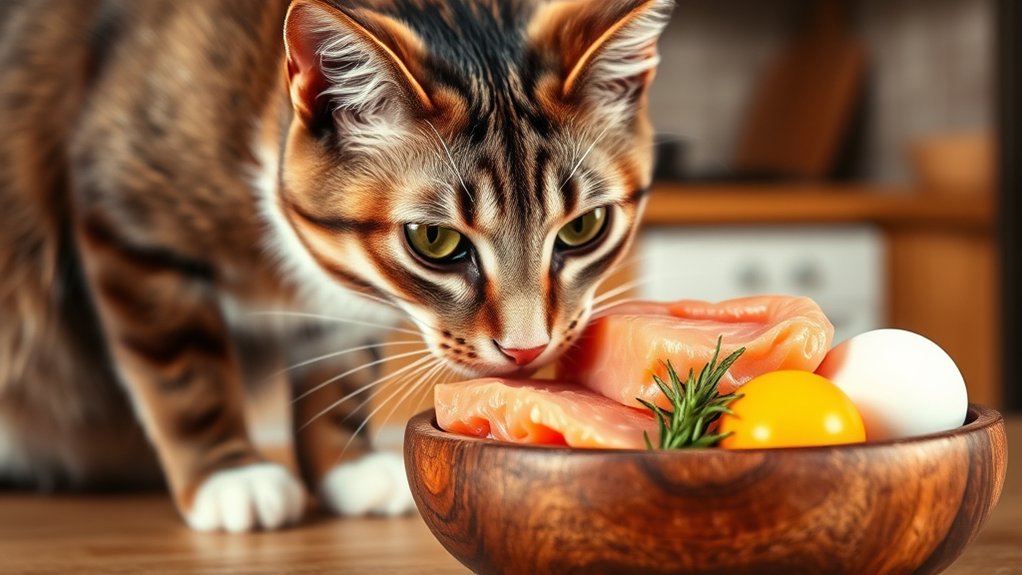
A diet rich in protein and fat is essential for your cat’s health, reflecting their evolutionary role as obligate carnivores. Cats need about 52% crude protein and 46% crude fat to meet their unique nutritional needs.
Protein supports growth and maintenance, and it’s critical for producing taurine, a nutrient fundamental for feline health, especially heart function and vision.
Protein fuels growth and taurine production, vital for your cat’s heart health and sharp vision.
Fats serve as a dense energy source, promoting skin integrity and a healthy coat. Unlike omnivores, cats have metabolic adaptations that demand high protein and fat intake, as they can’t efficiently derive nutrients from carbohydrates.
If your cat’s diet lacks sufficient protein and fats, they risk serious health issues such as muscle wasting, weakened immunity, and cardiac problems.
Meeting these nutritional needs guarantees your cat thrives. So, making sure they get the right balance of protein and fat is key to keeping them happy and healthy.
Why Cats Can’t Digest Carbohydrates Like Omnivores?
Although carbohydrates serve as a vital energy source for many animals, your cat’s digestive system isn’t equipped to handle them efficiently.
Cats need a diet tailored to their unique nutritional requirements, shaped by their strict carnivorous nature. Their low levels of salivary and intestinal amylase, along with limited disaccharidase activity in the small intestine, restrict carbohydrate digestion compared to omnivores.
Moreover, cats have minimal hepatic glucokinase activity, making carbohydrate metabolism less effective. While cooked and processed starches are somewhat digestible, high-carbohydrate diets can cause serious health problems like obesity and diabetes.
Understanding these limitations highlights why cats rely primarily on proteins and fats. It really emphasizes the importance of feeding them according to their natural dietary needs rather than adopting omnivorous feeding patterns.
How Cats Process Glucose Differently From Other Animals
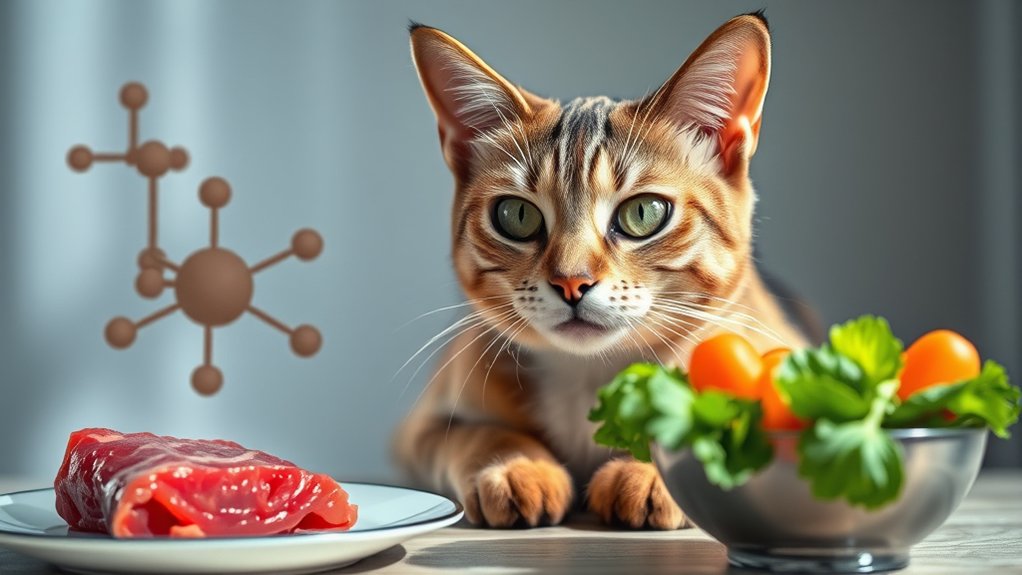
You’ll notice that cats process glucose quite differently from other animals. This happens because they’ve very little glucokinase activity in their liver.
Because of this enzyme limitation, they don’t rely much on dietary carbohydrates. Instead, they mainly produce glucose from proteins.
Knowing about this unique metabolism helps explain why their nutritional needs are different from those of omnivores.
Unique Glucose Metabolism
Because cats exhibit minimal hepatic glucokinase activity, they process glucose quite differently from omnivores like dogs, who possess higher levels of this enzyme. This unique glucose metabolism means cats rely heavily on gluconeogenesis, continuously producing glucose from amino acids regardless of dietary intake.
Their feline intestinal system efficiently digests nutrients, including carbohydrates, but they don’t depend on carbs as a primary energy source. Instead, amino acids play a vital role in maintaining their glucose levels.
Cats maintain strict blood glucose regulation, typically between 3.9 to 6.7 mmol/L, highlighting their metabolic adaptation.
They also use alternative pathways to dispose of glucose, compensating for their limited carbohydrate processing ability. Understanding this unique metabolism helps you appreciate why a protein-rich diet is essential for feline health and energy balance.
Limited Glucokinase Activity
When you consider how cats manage their glucose, their minimal hepatic glucokinase activity stands out as a key difference from other animals like dogs. This limited glucokinase activity means cats can’t efficiently process glucose from carbohydrates, unlike omnivores.
As obligate carnivores, cats rely heavily on protein and fat for nutrients to survive. They produce glucose through gluconeogenesis by converting amino acids instead of directly metabolizing carbs.
This metabolic adaptation suits their carnivore status, allowing them to maintain stable blood glucose levels without relying on dietary carbohydrates.
What Happens When Cats Eat High-Carbohydrate Foods?
Although cats can digest some starches, feeding them high-carbohydrate foods frequently leads to health problems like obesity and diabetes mellitus. As obligate carnivores, cats have low salivary and intestinal amylase activity, which means they don’t digest starch very well. Their limited ability to process carbohydrates often causes digestive issues and messes with their glucose balance.
Excess carbohydrates put a strain on their metabolism because cats mainly rely on gluconeogenesis to produce glucose. This happens since they’ve minimal hepatic glucokinase activity. Cooking can help make starches easier to digest, but it still doesn’t compare to how well they handle their natural high-protein diets.
Regularly feeding your cat carbohydrate-rich foods increases the risk of health problems. So, it’s really important to keep your cat’s diet aligned with their carnivorous nature. This helps promote better digestion and overall well-being.
Are Fruits and Vegetables Safe in a Cat’s Diet?
You can safely include small amounts of certain fruits and vegetables in your cat’s diet to give them some extra nutrients and help with digestion.
Just be careful when introducing these foods, though. Too much plant matter might upset their stomach.
Knowing the benefits and risks will help you make better choices for your cat’s health.
Nutritional Benefits Of Produce
Since cats are obligate carnivores, their diet primarily relies on animal-based nutrients, but incorporating small amounts of certain fruits and vegetables can offer valuable digestive and health benefits.
Including fruits and vegetables like pineapple and papaya introduces enzymes such as bromelain and papain, which aid protein digestion, enhancing your cat’s nutritional health.
Dietary fiber from these produce items supports gut health and helps prevent hairballs, improving overall digestive comfort.
Moreover, olives provide healthy fats and antioxidants that boost skin and coat condition.
Blueberries and cranberries contribute essential vitamins and antioxidants, complementing cat nutrition when given in moderation.
Always verify the fruits and vegetables you offer are safe and appropriate, as the right variety is key to maximizing nutritional benefits without risks.
Potential Risks And Concerns
When feeding your cat fruits and vegetables, you need to exercise caution because their digestive systems aren’t designed to process large amounts of plant matter. As obligate carnivores, cats rely on animal proteins for ideal nutritional health. While small amounts of certain produce can aid digestion, excessive intake or toxic items like grapes pose serious risks.
Avoid replacing meat with vegetarian or vegan options, as this can harm your cat’s health. Always monitor your cat closely for adverse reactions when introducing new foods.
| Risk Type | Example |
|---|---|
| Toxic Fruits | Grapes, Raisins |
| Digestive Upset | Excessive Fibrous Veggies |
| Enzyme Deficiency | Poor Plant Matter Digestion |
| Nutritional Imbalance | Replacing Meat with Plants |
| Individual Sensitivity | Varying Tolerance Levels |
Can Cats Thrive on Vegetarian or Vegan Diets?
How well can cats adapt to vegetarian or vegan diets? Cats are obligate carnivores, so they rely heavily on nutrients found in animal tissues.
These diets often lack taurine and other essential amino acids, which can lead to serious nutritional deficiencies. Taurine deficiency, for example, may cause heart problems like hypertrophic cardiomyopathy.
Meeting an adult cat’s protein needs, around 26% crude protein, is tough with plant-based foods. These foods are also high in carbohydrates that cats struggle to digest.
While commercial vegan cat foods exist, they frequently fail to provide complete nutrition, increasing health risks.
If you care about your cat’s well-being, it’s vital to understand that vegetarian or vegan diets don’t support their unique nutritional requirements and may cause long-term harm.
Which Essential Nutrients Can’T Cats Get From Plants?
You can’t rely on plants to provide certain essential nutrients that cats need, like taurine and arachidonic acid. These are only found in animal tissues.
Plus, cats require vitamins A, B1, B3, and B12, which plants just can’t supply in forms they can use.
Without these nutrients, your cat’s health could be at serious risk.
Taurine And Arachidonic Acid
Two essential nutrients cats can’t get from plants are taurine and arachidonic acid, both critical for their health.
Taurine, an amino acid found mainly in animal tissues, supports your cat’s heart function, vision, and overall well-being. Arachidonic acid, an omega-6 fatty acid present in animal fats, plays a crucial role in maintaining skin health and regulating inflammation.
Unlike omnivores, cats can’t convert plant precursors into these nutrients because they lack specific enzymes. Nutritional guidelines stress that your cat’s diet must include animal-based proteins to supply taurine and arachidonic acid adequately.
Ignoring this can lead to serious health issues like hypertrophic cardiomyopathy and skin problems.
For health tips and insights, always verify your cat’s food offers these essential nutrients to maintain peak health.
It’s really important to pay attention to what your cat eats to keep them happy and healthy.
Vitamin Deficiencies In Plants
Although plants provide many nutrients, they fall short of supplying several essential vitamins cats need to thrive. A domestic cat requires specific nutrients like vitamin A, B1, B3, and B12. These vitamins are primarily found in animal tissues and are scarce or absent in plants.
If you try to feed your cat a plant-based diet, it won’t get the vitamin and nutrient intake necessary for heart health, vision, and immune function.
Cats also need taurine and arachidonic acid, which plants can’t provide. Without these necessary nutrients, your cat risks serious health issues like poor growth and immune dysfunction.
To keep your domestic cat healthy, make certain their diet includes animal-derived sources rich in these essential vitamins and nutrients.
It’s really important to focus on what they need to thrive, not just what seems convenient.
How to Choose the Right Diet for Your Cat’s Health
When selecting the right diet for your cat’s health, understanding their status as obligate carnivores is essential. Your feline needs a diet rich in animal protein and fat to thrive.
When choosing cat food, focus on high-quality ingredients that meet these nutritional demands to support overall health.
Consider these tips to pick the best diet for your cat: select cat food with at least 70% animal-based protein and fat sources.
Make sure the diet provides essential nutrients like taurine, arachidonic acid, and vitamins A and B12. Avoid products with excessive plant-based carbohydrates due to limited starch digestion.
Introduce new diets gradually and monitor your cat’s health closely.
And don’t hesitate to consult your veterinarian for personalized dietary advice to maintain your cat’s well-being. It really makes a difference!
Frequently Asked Questions
How Often Should I Feed My Cat Meat-Based Meals?
You should feed your cat meat-based meals 1-2 times daily for adults, ensuring consistent meal frequency to maintain dietary balance.
Kittens need more frequent meals, about 3-4 times a day, to support growth.
Try to vary protein sources like chicken, beef, and fish to provide essential nutrients.
Sticking to a regular feeding schedule really helps your cat get the right nutrition.
And remember, always consult your vet when adjusting their diet to avoid any issues.
It’s better to be safe and make sure your cat’s diet fits their specific needs.
Can Kittens Eat the Same Diet as Adult Cats?
Think of kitten nutrition as a delicate blueprint that guides their growth stages. Feeding them an adult cat diet is like using the wrong blueprint.
You shouldn’t feed kittens the same diet as adult cats because their dietary needs demand higher protein and more frequent meals to support rapid development.
Adjusting feeding frequency and nutrient-rich foods guarantees they thrive.
Gradually shift to adult food around one year, matching their evolving dietary needs carefully. It’s all about making sure they get what they need at the right time.
Are Raw Meat Diets Safe for Cats?
Raw meat diets can offer benefits like an improved coat and better digestion, but you need to weigh potential risks.
These include bacterial contamination and nutritional imbalances.
To keep your cat healthy, focus on nutritional balance by including organ meats and supplements.
Always seek veterinary advice before switching diets. This helps tailor the plan to your cat’s needs and avoid health complications.
That way, you can guarantee a safe, well-rounded approach to feeding raw meat.
How Do I Transition My Cat to a New Diet?
To shift your cat to a new diet, start by mixing small amounts of the new food with their current diet, gradually increasing over 7-10 days.
Watch for behavioral changes and food sensitivities like vomiting or diarrhea.
If needed, adapt your shift strategies to make sure the diet suits their dietary preferences as obligate carnivores.
It’s a good idea to consult your vet to tailor the plan.
Be patient because some cats need more time to adjust comfortably.
Just take it slow and keep an eye on how they’re doing.
What Signs Indicate My Cat’s Diet Is Unhealthy?
You’ll notice signs of an unhealthy diet if your cat shows unhealthy weight gain, digestive issues like vomiting or diarrhea, or poor fur quality such as excessive shedding or dullness.
Behavioral changes like lethargy or irritability also indicate nutritional problems. These symptoms often result from imbalanced nutrition, especially if their food lacks sufficient animal-based proteins and fats.
Monitoring these signs helps you adjust their diet promptly for better health.
It’s really about paying attention to what your cat’s telling you through their body and behavior.
Conclusion
Think of your cat as a finely tuned engine built to run on high-quality meat fuel. While omnivores enjoy a mixed garden of foods, your cat thrives on protein and fat. These are the crucial sparks for their health.
Just like a car won’t run well on the wrong fuel, cats can’t efficiently process plant-based diets. Choosing the right meat-based nutrition guarantees your feline friend stays strong, vibrant, and energized for every leap and pounce.