What Shots Do Cats Need – Vaccination Checklist
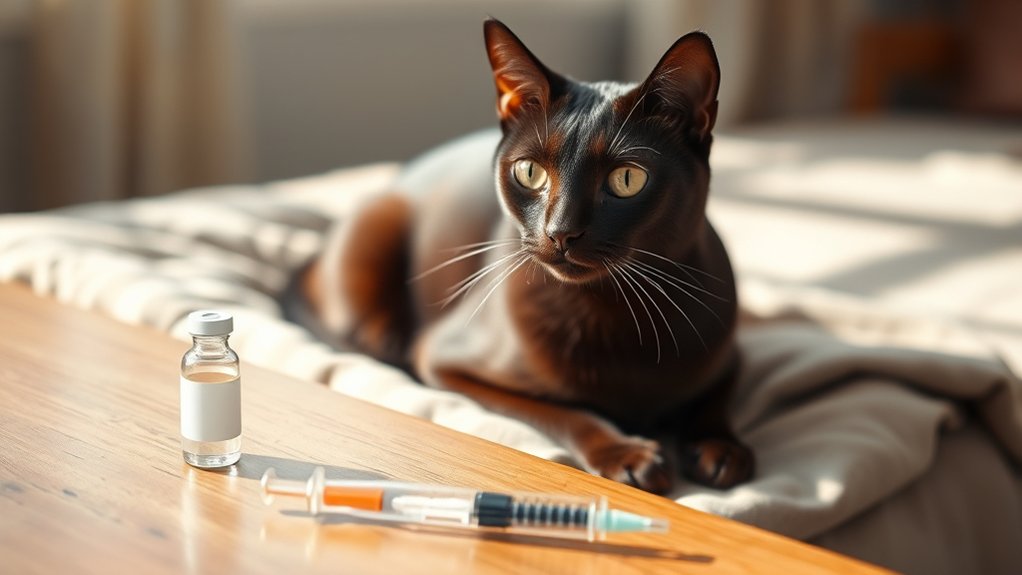
Your cat needs core vaccines including the FVRCP series, which protects against feline viral rhinotracheitis, calicivirus, and panleukopenia. This starts at 6-8 weeks with boosters until 16 weeks.
Rabies vaccination is also essential and legally required. It’s given at 12 weeks with regular boosters.
Depending on your cat’s lifestyle, non-core vaccines like feline leukemia may be recommended. You’ll want to follow your vet’s schedule closely and keep track of all records.
There’s more to know about timing, side effects, and costs ahead. Let’s dive into that next!
Why Cat Vaccinations Are Essential for Your Cat’s Health
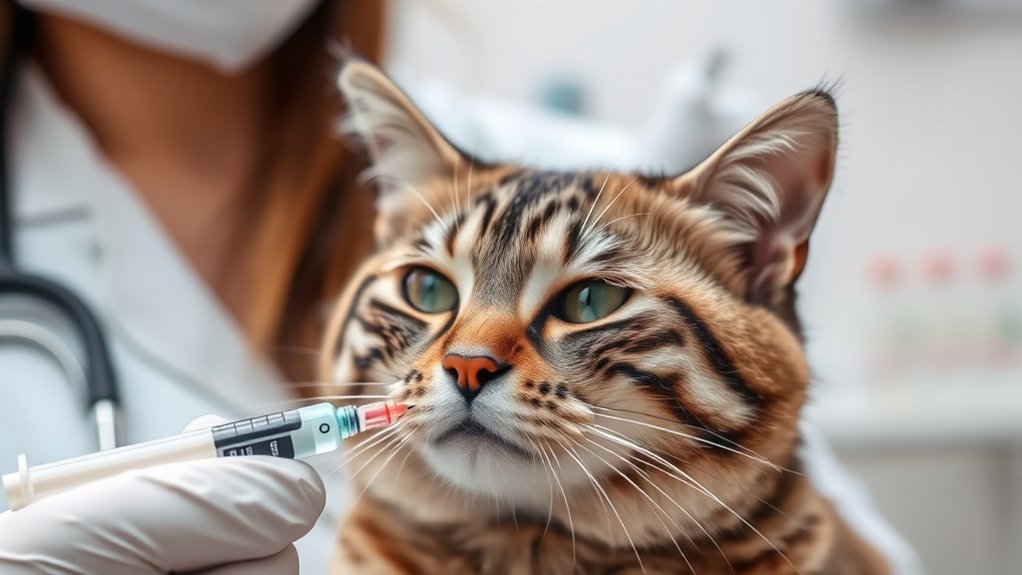
Although you might keep your cat indoors, vaccinations remain crucial to protect them from serious and contagious diseases like rabies, feline leukemia, and panleukopenia.
Vaccines, including core vaccines such as FVRCP and rabies, are essential components of preventive care for all cats.
Starting a vaccination schedule early, typically at 6-8 weeks for kittens, guarantees their immune system develops strong protection through multiple boosters by 16 weeks.
Even indoor cats face risks from unexpected exposure, so maintaining up-to-date vaccinations safeguards their health.
Vaccination not only defends your cat individually but also contributes to community health by limiting disease spread.
Mild side effects are common and usually resolve quickly, while serious reactions are rare.
This really shows how safe and important vaccines are in your cat’s overall health strategy.
Core Cat Vaccines: What They Are and Why They Matter
Understanding the specific vaccines your cat needs helps you protect them effectively. Core vaccinations include the FVRCP vaccine and the rabies vaccine. Both are critical for maintaining individual cat health and community safety.
The FVRCP vaccine defends against feline viral rhinotracheitis, calicivirus, and panleukopenia. Panleukopenia is a highly contagious disease with a high mortality rate in unvaccinated kittens.
You’ll typically start FVRCP shots at 6-8 weeks, followed by booster shots every 3-4 weeks until 16 weeks.
The rabies vaccine, which is legally required in most areas, is given at 12 weeks with boosters every 1 to 3 years.
Following this vaccination checklist helps establish herd immunity. This reduces disease spread and safeguards all cats in your community.
FVRCP Vaccine: Components and Benefits
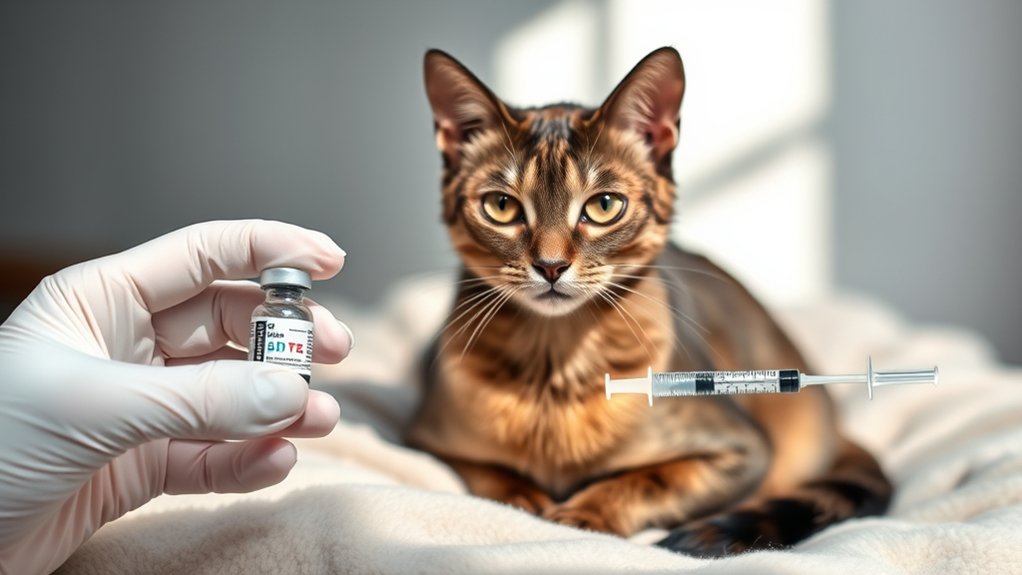
When you vaccinate your cat with the FVRCP vaccine, you protect them against three serious diseases: Feline Viral Rhinotracheitis (FVR), Feline Calicivirus (FCV), and Feline Panleukopenia (FPV).
FVR causes severe upper respiratory infections, and it often reactivates when your cat is stressed. FCV can lead to oral ulcers and chronic gingivitis.
FPV, also known as feline distemper, is highly contagious and has a high mortality rate, especially in unvaccinated kittens.
Kittens usually start getting the FVRCP vaccine at 6 to 8 weeks old. Then, they get boosters every 3 to 4 weeks until they’re about 16 weeks old.
Adult cats need boosters every 1 to 3 years, depending on their exposure risk, to keep their immunity strong.
This vaccination is really important for preventing these contagious diseases. Plus, it helps make sure your cat stays healthy in the long run.
Rabies Vaccine: Legal Requirements and Protection
Since rabies poses a fatal risk to both cats and humans, vaccinating your cat against it isn’t only a crucial health measure but also a legal requirement in most areas. The rabies vaccine is typically given at around 12 weeks of age and is required by law to protect against this deadly virus.
Rabies is a zoonotic disease, which means it can spread from animals to humans. That’s why vaccination is so important for public health. Even if your cat stays indoors, they still need protection because outdoor animals can expose them to the virus.
Booster shots are usually needed every one to three years to keep your cat’s immune system strong. Knowing the importance of these vaccinations helps you follow the law and keeps both your cat and your community safe from this dangerous threat.
Feline Leukemia Virus (FeLV) Vaccine: Who Needs It and Why
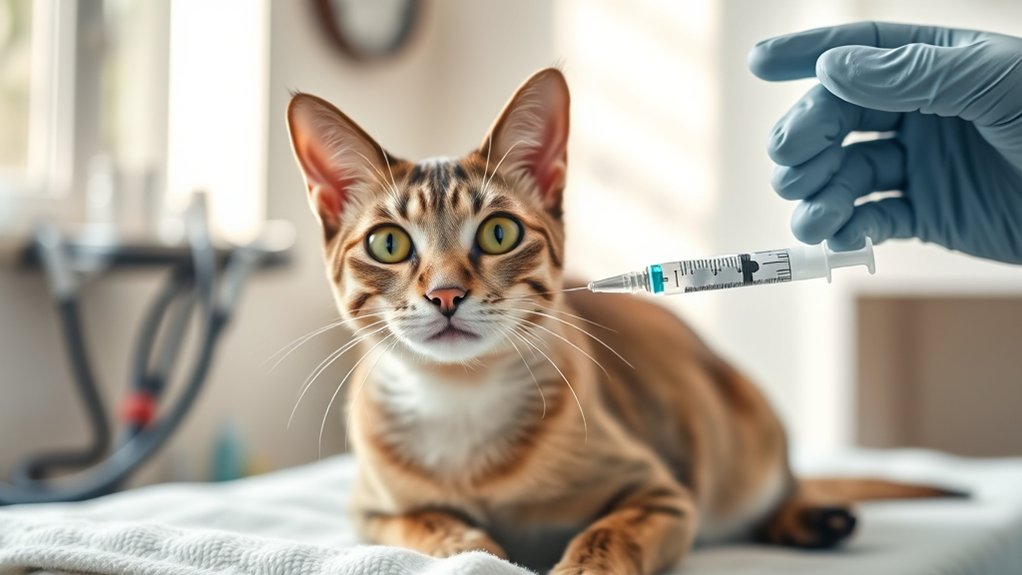
Alongside rabies, another significant vaccine to evaluate is for the Feline Leukemia Virus (FeLV), especially if your cat is a kitten or has potential exposure to other cats.
FeLV vaccination is core for kittens and recommended for high-risk cats due to its contagious nature and severe health risks.
Consider these key points for FeLV vaccination and preventive care:
- Kittens should start FeLV vaccination at 8 weeks with two doses.
- Adults require testing before vaccination to confirm they’re not already infected.
- Transmission occurs through saliva, urine, and bodily fluids, increasing risk in multi-cat environments.
- Boosters depend on exposure risk and veterinarian guidance to maintain immune system protection.
It’s really important to prioritize FeLV vaccination to safeguard your cat from immune system weakening and serious complications.
Keeping up with the vaccine schedule can make a big difference in your cat’s health!
Non-Core Cat Vaccines: When and Why to Consider Them
Although core vaccines form the foundation of your cat’s immunization, non-core vaccines play an important role in protecting cats with specific lifestyle risks. Non-core vaccines, such as those for Bordetella and Chlamydia, are recommended based on individual cat lifestyles, especially for cats in multi-cat environments or shelters.
The Feline Leukemia Virus vaccine, while non-core for adult cats, is vital for kittens and cats with outdoor exposure due to transmission risks.
To determine vaccination necessity, you should consult your veterinarian. They’ll assess risks related to your cat’s environment and potential exposure to specific diseases.
Non-core vaccines help prevent diseases prevalent in certain settings. So, understanding your cat’s lifestyle guarantees they receive tailored protection without unnecessary vaccinations. It’s all about giving your cat just the right care they need.
Cat Vaccination Schedule by Age and Risk Factors
Understanding when and how often your cat needs vaccinations depends on their age and specific risk factors.
For kittens, vaccinations start with a series of FVRCP shots every 3-4 weeks from 6-8 weeks old until 16 weeks. They also get a rabies vaccine around 12 weeks. FeLV vaccinations begin at 8 weeks with two doses.
Adult cats require core vaccines, like FVRCP and rabies, boosted every 1 to 3 years. FeLV boosters may be needed every 1-2 years if risk factors apply. Your cat’s vaccination schedule should consider lifestyle and local regulations.
Regular veterinary consultations help tailor this schedule effectively.
- Kittens: FVRCP series, rabies, FeLV doses
- First-year booster for FVRCP; rabies per local law
- Adult cats: core vaccines and FeLV boosters by risk
- Ongoing risk assessment guides timing and frequency
Cat Vaccination Side Effects: What to Expect
After your cat’s vaccination, you might notice some mild side effects like sleepiness, soreness, or a slight fever. These usually clear up pretty quickly, so no need to worry too much.
Serious reactions are rare, but they can happen. For example, some cats might have severe allergic responses or, in very uncommon cases, develop a tumor at the injection site.
It’s a good idea to keep a close eye on your cat after the shot. If you see any unusual symptoms that don’t go away or seem to get worse, don’t hesitate to reach out to your veterinarian. They’re there to help!
Common Mild Reactions
When you vaccinate your cat, you might notice some mild reactions like sleepiness, soreness at the injection site, or a slight fever. These usually clear up within a day or two.
These common mild reactions are typical and generally not cause for concern.
However, it’s important to monitor your cat closely for any adverse effects or unusual behavior following vaccination.
Here are four common mild reactions to watch for:
- Sleepiness and lethargy
- Soreness or mild swelling at the injection site
- Slight fever lasting less than 48 hours
- Decreased appetite
While severe allergic reactions are rare, they do require immediate veterinary care.
Rare Severe Responses
Although severe reactions to cat vaccinations are uncommon, it’s essential to recognize their signs promptly to make sure your cat gets immediate care. Mild side effects like soreness at the injection site or a slight fever are pretty typical.
But severe allergic reactions, though rare, need quick veterinary attention. You should keep a close eye on your cat after vaccination for symptoms such as swelling, difficulty breathing, or vomiting. These signs indicate an adverse reaction.
Another rare but serious issue is vaccine-associated sarcoma, which usually develops at the injection site. The good news is that this risk can be lowered by using non-adjuvanted vaccines and proper administration techniques.
Regular vet visits help you weigh the risks and benefits of vaccination. Staying alert means you can act fast if your cat shows any severe responses, keeping them safe and healthy.
Typical Costs of Core and Non-Core Cat Vaccines
When it comes to core vaccines like FVRCP and rabies, you can usually expect to pay between $15 and $40 for each shot.
Since kittens need several doses, the total cost for the full series can add up to somewhere between $100 and $200.
On the other hand, non-core vaccines, like FeLV or Bordetella, tend to cost a bit more—usually around $20 to $50.
The exact price often depends on your cat’s lifestyle and risk factors.
If you’re looking to manage these costs better, many clinics offer wellness plans.
These plans bundle vaccinations and other services into a fixed monthly fee, which can make budgeting a lot easier.
Core Vaccine Pricing
Two core vaccines, FVRCP and rabies, form the foundation of your cat’s immunization and typically cost between $15 and $40 each. The price depends on the clinic and location. Understanding core vaccine pricing helps you budget for essential cat vaccinations.
It also lets you consider wellness plans that may lower overall vaccination costs.
The FVRCP vaccine protects against three diseases in one shot, offering cost-effective coverage. Rabies vaccines are required by law in most areas. The price varies depending on whether the shot is annual or triennial.
Non-core vaccines, like FeLV, often cost more based on your cat’s risk factors. Wellness plans can bundle core and non-core vaccines. This helps manage vaccination expenses over time.
Knowing these details guarantees you provide maximum protection within your budget. It’s all about keeping your cat healthy without breaking the bank.
Non-Core Vaccine Costs
While core vaccines like FVRCP and rabies provide essential protection at a typical cost of $15 to $40, non-core vaccines such as Bordetella and Chlamydia often come with variable pricing that can be higher depending on your cat’s specific health risks and lifestyle.
Noncore vaccines may also require additional tests during vet visits, which can increase vaccine costs. Many clinics offer wellness plans to help manage payments and provide affordable vaccinations.
It’s a good idea to discuss your cat’s vaccination needs with your veterinarian to understand all potential expenses and any discounts available.
| Vaccine Type | Typical Cost Range |
|---|---|
| Core Vaccines | $15 – $40 |
| Noncore Vaccines | $20 – $60+ |
| Wellness Plans | Varies (payment options) |
Affordable Vaccination Options
Understanding the typical costs of core and non-core cat vaccines helps you make informed decisions about your pet’s health care. Core vaccines generally cost between $15 and $40. Non-core vaccines may add extra fees depending on risk factors.
To keep vaccination costs affordable, consider these options:
- Consult with a veterinarian to create a personalized vaccination plan tailored to your cat’s lifestyle and health needs.
- Explore wellness plans offered by clinics to spread out expenses.
- Utilize low-cost clinics and shelters providing reduced-rate vaccines for better access to vaccinations.
- Prioritize core vaccines while evaluating the necessity of non-core vaccines based on your cat’s exposure risks.
Taking these steps can help you manage costs without compromising your cat’s health. It’s all about finding the right balance for your furry friend.
How to Keep Track of Your Cat’s Vaccination Records
Because a cat vaccination record serves as an official document listing vaccines received, administration dates, and upcoming boosters, you need to keep it accurate and accessible.
Maintain detailed vaccination records by regularly consulting your veterinarian to update your cat’s vaccination plan, especially after lifestyle changes.
Use a digital record system like MyBanfield to easily track health history and booster due dates. This way, you always have proof of vaccination when needed for boarding, travel, or rental requirements.
Keeping your records current guarantees compliance with local regulations and provides the best protection for your cat against preventable diseases.
Frequently Asked Questions
Can Vaccinated Cats Still Get Sick From These Diseases?
Yes, vaccinated cats can still get sick due to breakthrough infections, especially if vaccine effectiveness wanes or viral mutations occur.
Your cat’s immune response and risk factors like age or health status play roles too.
Following vaccination protocols and preventive care helps minimize disease resurgence and protect cat health.
It’s your responsibility as an owner to keep up with boosters and monitor your cat, ensuring the best defense against illness.
How Do Indoor Cats’ Vaccine Needs Differ From Outdoor Cats’?
Indoor cats’ vaccine needs differ mainly because they face lower outdoor risks and disease exposure.
You’ll want to tailor prevention strategies based on their lifestyle and behavior. It’s important to consider the environmental factors that influence indoor health.
While core vaccines are still essential, you might adjust vaccine frequency after assessing the risks. This helps optimize their immune response without overdoing it.
Outdoor cats usually need extra vaccines since they’re exposed to more threats.
Regular vet visits are key. They help you balance all these factors, making sure your indoor cat stays protected without unnecessary vaccinations.
Are There Natural Alternatives to Traditional Cat Vaccines?
Natural remedies and holistic approaches might seem soothing, but they can’t substitute vaccination benefits in disease prevention.
While dietary supplements and herbal treatments may offer immune support, they lack proven protection against serious illnesses.
You should conduct a careful risk assessment before considering alternative therapies.
To safeguard your pet’s health, rely on vaccinations as the cornerstone.
And always consult your vet to complement care with safe, supportive supplements.
Can Vaccines Cause Long-Term Health Issues in Cats?
You shouldn’t worry much about long-term health issues from vaccines, as vaccine safety is well-established through long term studies.
While allergic reactions can occur, they’re rare and usually mild, with quick recovery time.
Vaccines boost your cat’s immune response effectively, preventing serious diseases like feline leukemia.
Regular health monitoring and veterinary recommendations help tailor vaccine schedules, balancing vaccine efficacy with risk assessment.
This way, you can be confident that your cat’s well-being is protected over time.
It’s all about keeping your furry friend healthy and happy!
How Should I Prepare My Cat Before Vaccination Appointments?
Think of preparing your cat like packing for a smooth journey. Use a pre-appointment checklist to cover health history documentation and behavior observation techniques.
Practice familiarization strategies with the carrier and car to ease anxiety.
Choose appointment timing wisely to avoid busy hours. Use travel safety measures, like a secure carrier, and communicate any concerns clearly with your vet.
Afterward, monitor your cat for side effects and follow post-vaccination care advice to reduce stress.
Conclusion
You can’t afford to skip your cat’s vaccinations. They’re like a superhero shield against deadly diseases! Without them, your feline friend is practically inviting trouble.
Staying on top of core shots like FVRCP, rabies, and FeLV is non-negotiable for a long, healthy life. Keep that vaccination schedule tight and your records organized. It’s the absolute best way to protect your cat from serious illness.
Remember, these shots aren’t just vaccines. They’re lifesavers!