
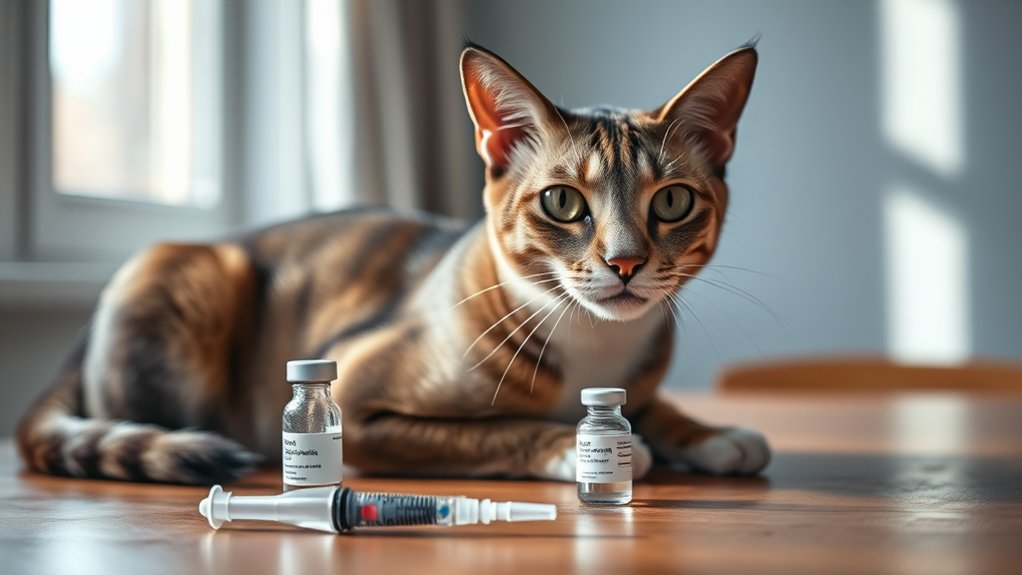
How Often Do Cats Need Rabies Shots – Vaccination Guide
You should vaccinate your cat against rabies starting at 12 to 16 weeks old, followed by a booster one year later. After that, boosters are needed either annually or every three years, depending on the vaccine type and your local laws.
Staying current with these vaccinations protects your cat and keeps you in line with regulations. It’s important to understand your vaccine options, any possible side effects, and the legal requirements in your area.
That way, you can make the best choices to keep your cat safe and healthy. Regular check-ins with your vet will help you stay on track with the schedule.
What Is Rabies and Why Do Cats Need Vaccines?
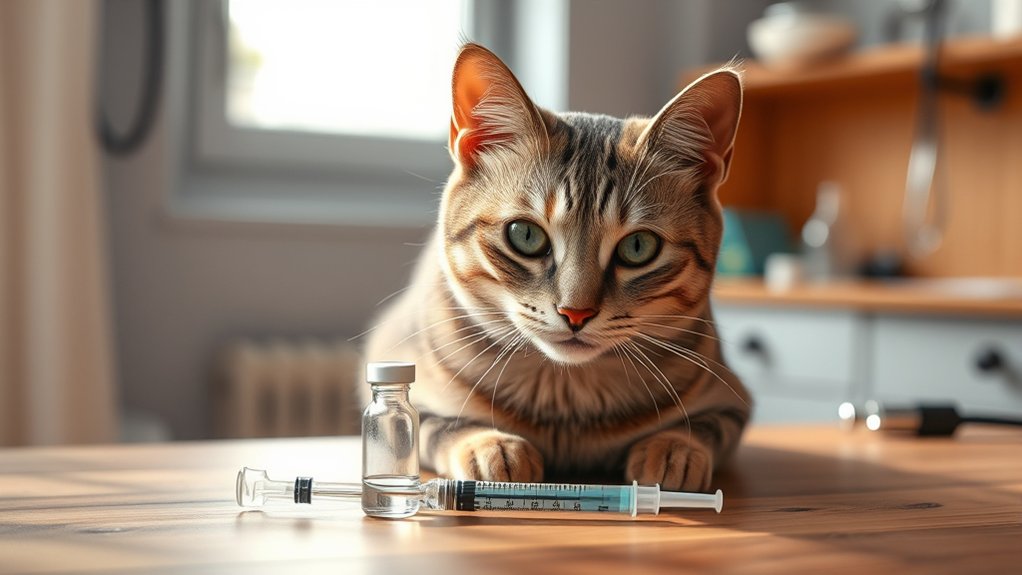
Although rabies is a viral disease that targets the nervous system of mammals, you can effectively protect your cat by making sure they get their vaccinations on time. Rabies vaccination is super important for your cat’s health because once symptoms show up, the disease is almost always fatal.
The first rabies vaccine helps build essential immunity, and a booster shot one year later keeps that protection going strong. Depending on the type of vaccine, later boosters might be needed every year or every three years.
The initial rabies vaccine builds immunity, with a booster a year later to maintain strong protection.
Getting your cat vaccinated isn’t just about their safety. It also meets legal requirements aimed at controlling the spread of rabies and protecting public health.
Staying up to date with these shots is really important—not only to follow the law but also to keep this deadly virus away from your pet and the community.
When Should Kittens Get Their First Rabies Shot?
Protecting your cat from rabies starts early, and knowing when to schedule their first shot is key. Kittens should receive their first rabies vaccination between 12 to 16 weeks of age to develop immunity against the virus.
After this initial dose, a booster shot is vital one year later to maintain protection. Local regulations and your veterinarian’s guidance will determine whether subsequent vaccines are yearly or every three years.
Regular veterinary visits help you stay on top of vaccination schedules and guarantee compliance with these laws. It’s also important to keep vaccination records updated, as they’re required for pet registration and housing purposes.
How Often Do Cats Need Rabies Booster Shots?
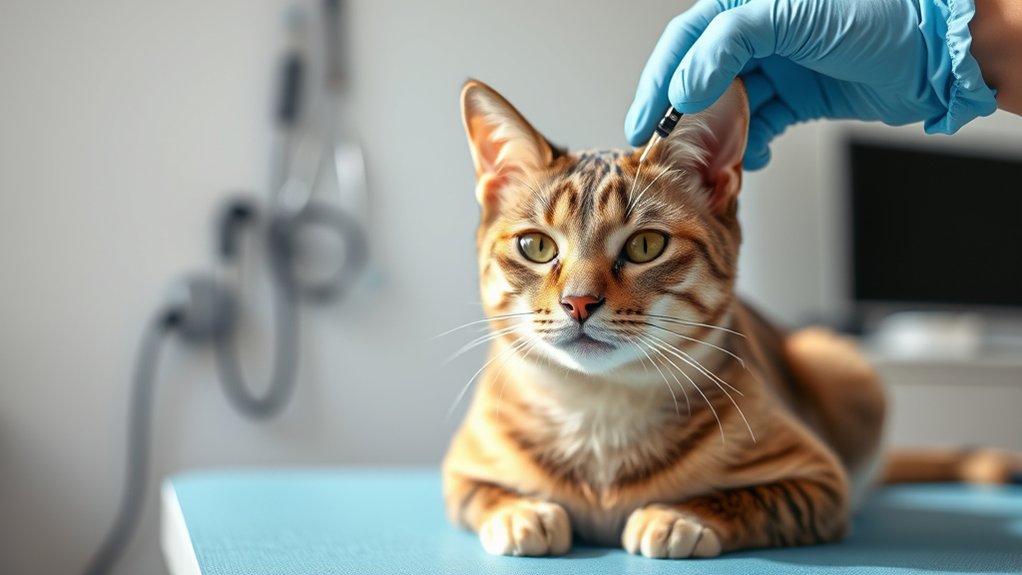
How often should your cat receive rabies booster shots to stay protected? After the initial rabies vaccination at 12 to 16 weeks, cats need rabies shots starting with a booster shot one year later.
Following this, your cat’s vaccination schedule depends on the vaccine type. Some require an annual booster, while others offer a three-year vaccine option. It’s essential to consult with a veterinarian to align with local regulations and choose the best plan.
To maintain continuous protection, keep track of vaccination dates and set reminders.
| Vaccination Stage | Timing | Notes |
|---|---|---|
| Initial Vaccination | 12-16 weeks | First rabies vaccine |
| First Booster | 1 year after initial | Confirmed booster shot one year |
| Subsequent Boosters | Annually or every 3 years | Based on vaccine type |
| Consultation | Before each booster | Review vaccination schedule |
| Record Keeping | Ongoing | Keep track of vaccination dates |
What Are the Differences Between One-Year and Three-Year Rabies Vaccines?
Once your cat receives the initial rabies vaccination and first booster, you’ll need to decide between a one-year or three-year vaccine for the next boosters.
The one-year vaccine requires annual booster shots, so you’ll be visiting the vet more often.
The one-year vaccine means yearly boosters and more frequent vet visits to keep your cat protected.
On the other hand, the three-year vaccine offers protection for three years, which means fewer appointments. Both types are equally effective in preventing rabies.
Your choice might come down to local rules and what your vet suggests.
Knowing the differences helps you customize your cat’s vaccination schedule to what works best for you and your pet.
Following local regulations and your vet’s advice keeps you compliant and your cat healthy.
Picking the right vaccine balances convenience with protection for your cat’s ongoing rabies shots.
What You Need to Know About Local Rabies Vaccine Laws for Cats

You should know your state’s rabies vaccination laws because most of them require cats to be vaccinated to keep everyone safe.
It’s a good idea to keep proof of your cat’s vaccination handy, too. You’ll often need it for things like registration, boarding, or traveling.
Plus, if you don’t follow the rules, it could lead to legal trouble and put your cat’s health at risk.
State Rabies Vaccination Laws
Where do your local laws stand on rabies vaccinations for cats? Most states, including Colorado and Kansas, have legal requirements for rabies vaccination to protect public health.
Rabies vaccines available typically include one-year and three-year options. The frequency of vaccination is usually dictated by local laws and veterinary guidelines. It’s important to follow these rules to keep your cat safe and healthy.
Compliance with local laws is essential. An unvaccinated cat exposed to rabies can face strict quarantine or even euthanasia.
You should check with local health authorities to understand the specific rules in your area. This will help you make sure your cat meets all vaccination schedules.
Also, proof of rabies vaccination may be required for pet registration, boarding, or travel. Staying informed about state rabies vaccination laws helps you protect your cat and stay on the right side of the law.
Proof Of Vaccination
Although rabies vaccination laws vary by state, providing proof of your cat’s vaccination is vital for complying with local regulations. Local health authorities require this proof to confirm your cat’s vaccination status, protecting public health and meeting state regulations. You’ll often need it for pet registration, boarding, grooming, and travel.
Failure to present proof can lead to penalties or quarantine if exposure occurs. Always keep your cat’s vaccine documentation accessible and updated.
| Purpose | Requirement | Importance |
|---|---|---|
| Pet Registration | Proof of rabies vaccine | Confirms vaccination status |
| Boarding/Grooming | Vaccine records | Guarantees facility compliance |
| Travel | Updated proof | Meets interstate regulations |
| Public Health | Documentation | Prevents rabies spread |
Legal Consequences Of Noncompliance
Since rabies vaccination laws differ across states, understanding your local requirements is crucial to avoid legal consequences.
As a pet owner, noncompliance with vaccination requirements can lead to serious repercussions, including fines and potential quarantine or euthanasia of unvaccinated pets exposed to rabies.
Rabies vaccination protects public health, making your compliance critical.
Keep these points in mind:
- Most states mandate rabies vaccination with specific timelines for initial and booster shots.
- Proof of vaccination is often required for pet registration, boarding, and travel.
- Failure to comply risks fines, legal action, and endangers both your pet and community.
Stay informed about your state’s laws to guarantee your cat’s health and avoid penalties related to exposure to rabies.
It’s always better to be safe and prepared!
How Your Vet Chooses Your Cat’s Rabies Vaccine Schedule
When determining your cat’s rabies vaccine schedule, your veterinarian carefully considers factors like your cat’s age, overall health, and the local regulations in your area.
How your vet chooses the timing involves administering the first rabies vaccine typically between 12 to 16 weeks of age, followed by a booster shot one year later.
Depending on whether the vaccine is a one-year or three-year type, your cat’s vaccination frequency will vary.
Local regulations heavily influence the rabies vaccination schedule, as some regions mandate stricter timelines.
Regular veterinary visits guarantee your cat’s vaccination remains current and compliant with local laws.
Why Indoor Cats Still Need the Rabies Vaccine
Even if your cat lives exclusively indoors, they still face risks that make rabies vaccination essential. Indoor cats can encounter wildlife like bats or rodents that occasionally enter your home. These animals can pose a threat of rabies exposure.
Vaccination is critical not only for your cat’s health but also for public health. Rabies can transmit from cats to humans. Plus, many local laws require rabies vaccines for all cats to guarantee community safety.
Vaccinating cats protects their health, prevents rabies transmission to humans, and ensures compliance with local laws.
Here are three key reasons why indoor cats need the rabies vaccine:
- Protection from potential encounters with infected animals indoors or if they escape.
- Compliance with local laws safeguarding both pets and owners.
- Peace of mind knowing you’re contributing to community safety and public health.
Rabies Vaccine Side Effects in Cats
You might notice mild side effects like slight swelling or fatigue after your cat’s rabies vaccine.
These usually clear up within a day or two.
But, if you see something more serious, like facial swelling or difficulty breathing, that’s rare—and it means you should get your cat to the vet right away.
Common Mild Reactions
Many cats experience mild, temporary reactions after their rabies vaccination, such as slight swelling at the injection site, mild fever, or fatigue.
These common mild reactions typically resolve within 24 to 48 hours, showing that the vaccine is effectively building immunity.
You might also notice decreased appetite or mild lethargy, which usually doesn’t last long.
To keep an eye on your cat’s health after the shot, watch for a few key signs:
- Slight swelling or tenderness at the injection site
- Mild fever, causing temporary discomfort
- Fatigue or mild lethargy, leading to less activity than usual
Be sure to watch out for any unusual behavior too, as that could mean your cat needs to see the vet.
Understanding these reactions helps you make sure your cat stays safe during vaccination.
Serious Side Effects
Although serious side effects from the rabies vaccine in cats are rare, recognizing them early is crucial for your pet’s safety. Most cats experience mild side effects like slight swelling, fatigue, or mild fever that usually go away within 24 to 48 hours.
You should still keep a close eye on your cat after vaccination for any unusual symptoms. Serious side effects might include facial swelling, difficulty breathing, or severe allergic reactions. These all need immediate veterinary attention.
If your cat shows signs like excessive lethargy or vomiting, don’t wait—contact your veterinarian right away.
While temporary reactions are common and generally harmless, knowing the difference between mild and serious side effects helps keep your cat safe and healthy. Regular monitoring and quick vet visits make managing any potential risks much easier.
What to Do If Your Cat Is Exposed to a Rabid Animal
If your cat comes into contact with a potentially rabid animal, seeking immediate veterinary evaluation is critical for proper assessment and care.
As cat owners, you must act swiftly if your pet is exposed to rabies. Here’s what to do:
First, verify your cat’s vaccination status. Vaccinated cats typically need a booster shot within 96 hours of potential exposure to maintain protection.
For unvaccinated cats, understand the serious health risks, including possible quarantine or euthanasia to prevent rabies spread.
Keep a close eye on your cat for 45 days. Watch for signs like aggression or lethargy, and report any symptoms to public health officials right away.
Prompt action and awareness help protect your cat and the community from this deadly disease.
How to Keep Track of Your Cat’s Rabies Vaccination Schedule
Tracking your cat’s rabies vaccination schedule is essential to keeping them protected against this serious disease. Start by noting the initial vaccination, which usually happens between 12 to 16 weeks of age.
Then, schedule the first booster one year after the initial shot. You can use calendar reminders or mobile apps to help keep track of booster shots. These boosters might be required every year or every three years, depending on the vaccine used.
Be sure to keep all vaccination records organized and easy to find. Also, make regular veterinary visits a priority to make sure you’re following local regulations. Many clinics offer online appointment services and will send reminders to help you stay on track.
| Task | Recommendation |
|---|---|
| Initial Vaccination | 12 to 16 weeks of age |
| First Booster | 1 year after initial vaccination |
| Subsequent Boosters | Annually or every 3 years |
| Tracking Tools | Calendar, apps, vet reminders |
Frequently Asked Questions
Can Rabies Vaccines Protect Cats From Other Diseases?
No, rabies vaccines don’t protect your cat from other diseases. Each vaccine targets specific feline diseases, so relying solely on rabies vaccination limits disease prevention.
Veterinary recommendations emphasize a thorough vaccination plan that addresses various risk factors and promotes a strong immune response.
Understanding vaccine types and their health implications helps you safeguard your cat long term.
Always consult your vet to verify that vaccination benefits cover all potential feline health threats. It’s the best way to keep your cat healthy and protected.
Are There Any Natural Alternatives to Rabies Vaccines for Cats?
You won’t find a mountain of natural remedies or holistic treatments that replace rabies vaccines for cats.
While pet immunity can benefit from alternative therapies, none match vaccine effectiveness in disease prevention.
For your feline’s health, relying solely on natural options risks serious consequences.
It’s your responsibility as an owner to prioritize proven protection.
Always seek veterinary advice to guarantee your cat stays safe and healthy with proper rabies vaccination.
How Much Does a Cat’s Rabies Vaccination Typically Cost?
You can expect a cat’s rabies vaccination cost to range from $15 to $50, depending on regional pricing and clinic options.
Veterinary recommendations often suggest booster shots every one to three years, influenced by vaccination frequency and your cat’s age.
Whether your cat is indoor or outdoor might affect how urgent the vaccination is, but it usually doesn’t change the cost.
It’s a good idea to compare prices at different clinics to find the best deal.
Also, some pet insurance plans might help cover the expense.
Always check if the clinic offers wellness packages since those can help reduce costs.
It never hurts to ask about any discounts or special offers they might have!
Can Pregnant Cats Safely Receive Rabies Vaccinations?
About 90% of veterinarians agree pregnant cats can safely receive rabies vaccinations. You should weigh vaccine safety, risks involved, and timing considerations with your vet.
Health assessments guarantee the best approach, considering maternal antibodies and immunity transfer to kittens.
Veterinary guidelines sometimes suggest alternative vaccinations or delaying shots, especially if the cat’s vaccination is up-to-date.
Always follow professional advice to protect both mom and her unborn kittens effectively. It’s all about keeping everyone safe and healthy!
What Should I Do if My Cat Has an Allergic Reaction to the Vaccine?
If your cat shows allergic symptoms after vaccination, act quickly. Monitor signs closely and contact your veterinarian immediately for emergency response guidance.
Be ready to provide your cat’s vaccination history and any known risk factors. This info helps the vet decide if antihistamine treatment or alternative vaccines are needed.
Mild vaccine side effects might resolve on their own, but severe reactions require prompt veterinary guidance.
This is important to guarantee your cat’s safety and well-being.
Conclusion
Keeping your cat’s rabies vaccinations up to date is like locking the door to a dangerous world. It’s essential for their safety and your peace of mind. Whether your feline is an adventurous outdoor explorer or a cozy indoor companion, timely shots protect them from a deadly threat.
Make sure to stay informed about local laws and watch for any side effects after vaccination. And don’t ever miss a booster shot. By staying vigilant, you’re giving your cat the best chance at a long, healthy life.