

How To Tell If A Cat Has Fleas – Signs And Treatment
You can tell if your cat has fleas by checking for tiny, fast-moving dark insects, especially near the base of the tail, armpits, and groin. Look for flea dirt, which are small black specks that turn rusty red when wet. This indicates flea feces.
Your cat may also scratch a lot or have hair loss and skin irritation. It’s pretty clear signs that fleas might be the problem. Using a flea comb can help remove them.
You should also consider vet-approved treatments to get rid of fleas completely. Cleaning your home is really important to stop re-infestation. Keep exploring to find effective prevention and treatment options that work best for you and your cat.
How To Spot Fleas On Your Cat’s Fur And Skin
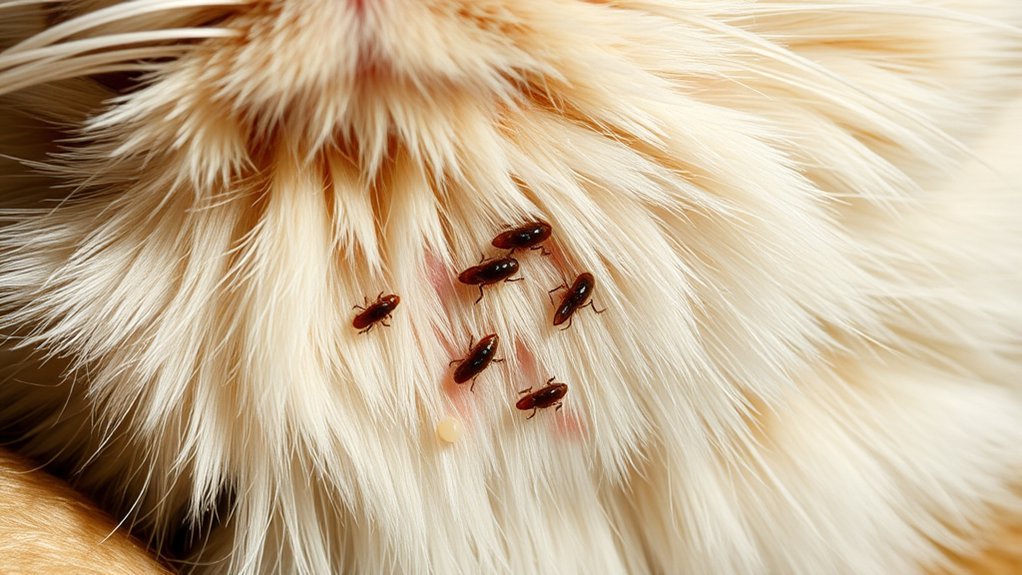
Although adult fleas are tiny and quick, you can spot them by carefully inspecting your cat’s fur and skin, especially in common hiding spots like the base of the tail, armpits, and groin. Adult fleas measure about 1–2 mm, are dark brown or black, and move rapidly.
Adult fleas are tiny, fast, and often hide around your cat’s tail base, armpits, and groin.
You should also look for flea dirt, which are small black specks that indicate flea presence. To confirm, use a wet paper towel test. If the specks dissolve into a rusty red color, they’re flea feces.
A fine-tooth flea comb is an essential tool in this process. Running the flea comb through your cat’s fur helps catch both fleas and flea dirt, revealing infestations that might otherwise go unnoticed.
Regular checks make early detection easier and protect your cat’s health.
Signs Your Cat Might Have Fleas
If your cat has fleas, you might notice them scratching a lot, especially around the neck, tail, and belly. It’s pretty common for cats to focus on those spots.
Another thing to look for is flea dirt—these are tiny black specks that show up in their fur. To check, just use a wet paper towel and see if the specks smear.
Besides scratching and flea dirt, your cat might also have some hair loss or skin irritation. They could even seem a bit restless or uncomfortable.
All these signs together usually point to a flea problem. So, keep an eye out for them!
Common Flea Symptoms
Five common signs can help you determine if your cat has fleas. First, excessive scratching, especially around the neck, tail, and belly, is a clear indicator. You might notice your cat obsessively licking or chewing their skin.
Second, hair loss or skin irritation, such as red, inflamed patches or bald spots, often results from flea bites or allergic reactions.
Third, behavioral changes like restlessness or irritability may suggest discomfort caused by fleas.
Fourth, spotting live fleas, tiny, fast-moving insects, using a flea comb can confirm an infestation.
Finally, these common flea symptoms appear consistently, so if you observe several, it’s essential to take action promptly to protect your cat’s health and comfort.
Identifying Flea Dirt
When you notice small black specks scattered in your cat’s fur, especially around the base of the tail, armpits, or groin, you might be looking at flea dirt.
These tiny flecks are digested blood left by feeding fleas. Flea dirt looks like pepper but is actually flea feces, which means your cat has an active flea infestation.
To check for sure, comb your cat with a fine-tooth flea comb and place the collected specks on a wet paper towel. If the specks dissolve into a reddish-brown stain, that’s flea feces. This confirms fleas are feeding on your cat.
Catching flea dirt early helps you tackle the problem quickly. This way, you can prevent further discomfort and avoid potential health issues for your pet.
Regular checks and combing are key to spotting and managing fleas effectively.
How To Use The Flea Dirt Test
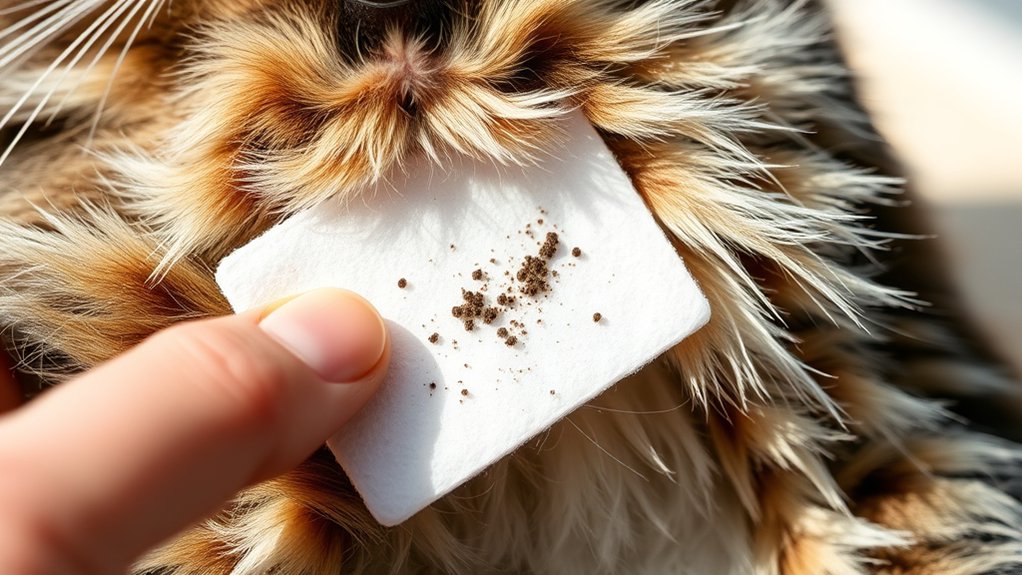
Using a fine-tooth flea comb to collect debris from your cat’s fur is an easy way to do the flea dirt test. Focus on spots where fleas like to hide, such as the base of the tail and the armpits.
Once you’ve gathered some debris, put it onto a damp white paper towel. If the black specks in the debris turn a rusty red color when moistened, that’s a sure sign of flea feces. This means your cat has fleas, even if you haven’t seen any live ones yet.
The flea dirt test is a quick and effective way to catch fleas early so you can act fast. Doing this test regularly helps prevent a bigger infestation and keeps your cat feeling comfortable and healthy.
It’s a simple step that can make a big difference in your cat’s well-being.
Best Places To Check For Fleas And Flea Eggs
Start by checking common flea hotspots like the base of your cat’s tail, armpits, and groin—these are places where fleas often like to hide.
Next, grab a flea comb and groom your cat thoroughly; this will help catch any fleas or eggs hiding in the fur.
Don’t forget to also take a good look at your cat’s bedding and the surrounding areas. You might spot tiny white flea eggs that look a lot like grains of salt.
Common Flea Hotspots
Although fleas can hide anywhere on your cat, they tend to gather in specific hotspots like the base of the tail, armpits, and groin. These are the places where they lay eggs and leave behind flea dirt.
Flea dirt looks like tiny, dark, crumbly particles and signals an active infestation. These common hotspots for fleas are your best starting points for inspection.
Using a flea comb to regularly check these areas helps you spot live fleas and flea dirt more effectively.
Identifying Flea Eggs
Flea eggs are tiny, about 0.5 mm long, and often look like small white grains of salt. Because of their size and color, they’re easy to overlook.
To identify flea eggs, focus on your cat’s fur, especially around the base of the tail, armpits, and groin. These are common flea hotspots. You can also find flea eggs in your cat’s bedding and carpets.
Using a flea comb with fine teeth helps trap flea eggs and flea dirt, which look like dark, crumbly particles. Running the flea comb through your cat’s fur lets you detect an infestation early.
If you spot these tiny white eggs or dark flea dirt, it’s important to act quickly. Treat your cat to prevent the flea population from growing.
How Indoor Cats Get Fleas And Why
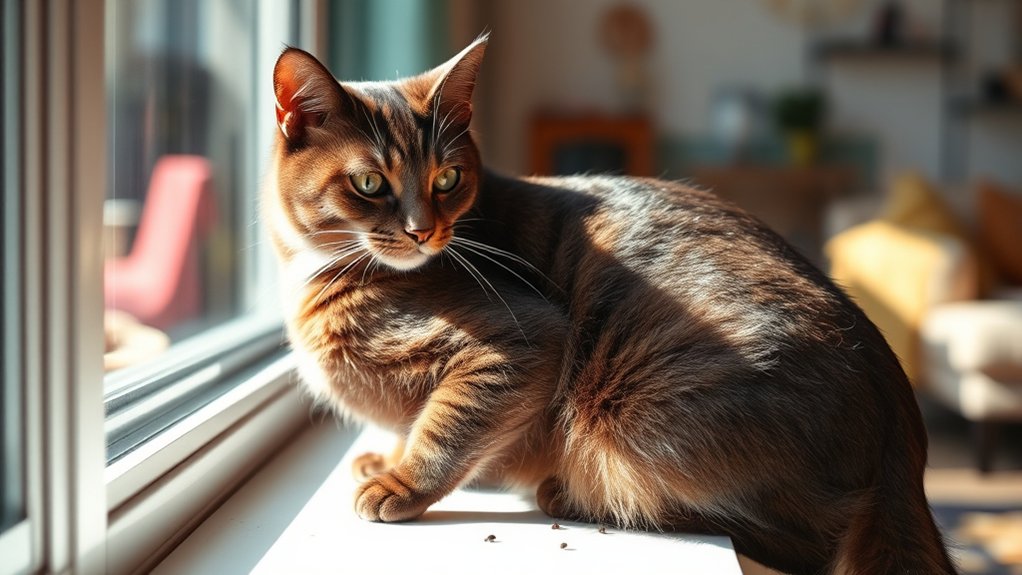
Several common ways allow indoor cats to pick up fleas, even if they never step outside. Understanding these helps you maintain effective flea prevention for indoor cats.
Fleas can hitch a ride on your clothing or shoes after visiting infested areas. Visitors and other pets, like dogs, may also bring fleas into your home.
Fleas can enter through open doors and windows, especially when it’s warm and they’re more active.
Furthermore, existing flea populations can hide in carpets, rugs, or furniture, waiting to jump onto your cat.
- Fleas on human clothing or shoes
- Visitors or other pets introducing fleas
- Entry through open doors and windows
- Fleas hiding in home furnishings
Knowing these helps you protect your cats and control flea risks indoors.
How To Quickly Remove Fleas From Your Cat
You’ll want to start by using a fine-toothed flea comb to quickly remove fleas from your cat’s fur. It’s a simple and effective first step.
After that, think about safe flea treatments, like vet-approved oral or topical medications. These help kill fleas fast and keep them from coming back.
And don’t forget — washing your cat’s bedding and giving your home a thorough cleaning is super important to get rid of any leftover fleas or eggs.
Immediate Flea Removal
Start by thoroughly examining your cat’s fur with a flea comb. Pay close attention to the base of the tail and under the armpits to catch any live fleas or flea dirt.
To quickly remove fleas, follow these steps:
- Use a flea comb to physically remove live fleas and flea dirt from your cat’s coat.
- Give your cat a bath with Dawn dish soap. It kills fleas on contact and provides immediate relief.
- Administer oral flea treatments like nitenpyram (Capstar) for rapid adult flea elimination within 30 minutes.
- Apply topical spot-on flea treatments designed for cats to kill adult fleas and disrupt their life cycle.
Always consult your veterinarian before starting any flea treatments to guarantee safety and effectiveness.
It’s better to be safe and make sure you’re doing what’s best for your furry friend.
Safe Flea Treatments
When tackling a flea infestation on your cat, choosing safe and effective treatments is essential to guarantee quick relief without harming your pet.
Topical treatments, such as spot-on solutions applied to the back of your cat’s neck, kill adult fleas and disrupt their life cycle. This makes them a reliable flea treatment option.
Oral tablets like nitenpyram provide rapid relief by eliminating fleas within 30 minutes, though they don’t prevent future infestations.
While a dish soap bath can remove fleas on contact, it’s only a temporary fix and won’t protect your cat from reinfestation.
Always consult your veterinarian to select the safest treatment tailored to your cat’s health status.
Combining topical and oral treatments often provides thorough control and supports your cat’s overall pet health.
Home Cleaning Tips
Although treating your cat is essential, addressing your home environment plays an equally important role in eliminating fleas quickly. Implement these home cleaning tips to support your cat’s flea treatment:
1. Regularly vacuum carpets, rugs, and upholstery to remove flea eggs and larvae.
Make sure to immediately discard the vacuum bag to prevent re-infestation.
2. Wash your cat’s pet bedding and any frequently used fabrics in hot water (at least 60°C) to kill fleas and eggs effectively.
3. Use a flea comb daily on your cat, especially around the base of the tail and under the armpits.
This helps catch live fleas and flea dirt.
4. Consider safe household flea sprays or powders on carpets and furniture.
These can treat areas where fleas may hide.
Best Vet-Recommended Flea Treatments
Since fleas can quickly multiply and cause discomfort, choosing the right vet-recommended flea treatment is vital for your cat’s health.
Vet-recommended flea treatments often include topical solutions like Advantage II or Frontline Plus. These are effective, long-lasting, and easy to apply.
These topical treatments kill adult fleas and prevent new infestations by breaking the flea life cycle.
Oral options such as Capstar provide rapid relief by killing fleas within 30 minutes but don’t offer ongoing prevention. Some vets recommend combining topical and oral medications for thorough flea control.
Always consult your veterinarian before starting treatment to verify the chosen product suits your cat’s age, weight, and health.
Following your vet’s advice will help protect your cat from fleas safely and effectively.
How To Treat Your Home For Fleas
Vacuum your home thoroughly every day, focusing on carpets, rugs, and furniture to remove fleas, eggs, and larvae effectively. This is really important to control your flea problem and stop them from coming back.
Then, follow these steps:
- Wash all pet bedding, blankets, and fabrics your cat uses in hot water (at least 60°C). This will kill fleas and their eggs.
- Use flea shampoos on your cat to get rid of adult fleas and help reduce the population indoors.
- Apply household flea sprays or foggers made to kill fleas, and be sure to follow the manufacturer’s instructions carefully.
- If the infestation is really bad, think about calling in professional pest control. They’ve stronger treatments that can kill fleas throughout your home.
Putting all these steps together gives you the best chance to manage and completely get rid of your flea problem.
Natural Flea Prevention For Cats And Home
When you want to keep fleas at bay without relying on harsh chemicals, natural prevention methods offer effective and safe alternatives. Use a flea comb regularly to catch fleas early. Essential oils like lavender and eucalyptus can help, but always check with your vet before use.
Natural repellents such as cedar chips and lemon spray deter fleas both on your cat and around the home. Frequent vacuuming and washing pet bedding in hot water remove eggs and larvae, reducing infestation risk. Applying food-grade diatomaceous earth outdoors dehydrates fleas, controlling populations naturally.
| Prevention Method | Benefit |
|---|---|
| Flea comb | Removes adult fleas |
| Essential Oils | Natural flea deterrent |
| Cedar chips & lemon spray | Repels fleas safely |
| Vacuuming | Eliminates eggs and larvae |
| Hot water bedding wash | Kills fleas and eggs on fabric |
When Should You Contact Your Vet About Fleas?
How do you know if your cat’s flea problem requires professional help? You should contact your vet when certain signs indicate the issue is more serious than a simple infestation.
Your itchy cat shows severe skin irritation or persistent scratching, which can lead to infections or flea allergy dermatitis.
Severe itching and constant scratching can cause infections or flea allergy dermatitis in your cat.
You might notice signs of anemia, like pale gums or lethargy, especially in kittens. This signals blood loss from flea bites.
If flea dirt or live fleas remain despite treatment, and you’re unsure about what to do next or which products to use, it’s time to ask for help.
Also, if your cat starts acting restless or agitated, it could mean they’re really uncomfortable because of the fleas.
If any of these happen, don’t hesitate to reach out to your vet right away. Getting prompt treatment is key to keeping your cat healthy and happy.
Frequently Asked Questions
Can Fleas Transmit Diseases to Humans From My Cat?
Yes, fleas can transmit diseases to humans from your cat. Understanding the flea life cycle helps you see how they spread bacteria like *Rickettsia typhi*, which causes murine typhus.
They can also carry tapeworms that affect human health.
To protect yourself, follow prevention tips like regularly treating your cat, cleaning bedding, and vacuuming to break the flea life cycle.
Staying proactive helps minimize risks and keeps both you and your pet safe. It’s really all about being consistent with these steps.
Are Flea Treatments Safe for Kittens and Pregnant Cats?
Think of flea treatments as a delicate dance when it comes to kittens and pregnant cats. You shouldn’t use most flea prevention methods on kittens under eight weeks or expecting moms without vet approval.
Safe treatments like nitenpyram might be recommended, but always follow professional advice.
For kitten care, focus on gentle grooming and keeping their environment clean. This approach helps protect them while managing fleas safely and effectively.
How Long Do Fleas Survive off a Host?
Fleas can survive off a host for up to 100 days, depending on environmental factors like temperature and humidity.
You should know that fleas rely heavily on host dependency for feeding, but in favorable conditions, flea eggs hatch within 2 to 10 days, continuing the flea life cycle.
While adult fleas may live several weeks indoors without feeding, larvae thrive in carpets and bedding.
This makes thorough cleaning essential to break the cycle.
Can Flea Infestations Cause Allergies in Cats?
Yes, flea infestations can cause allergies in cats, specifically flea allergy dermatitis. While a few fleas might seem harmless, they can trigger intense itching and skin inflammation.
You’ll need to combine environmental control with consistent grooming techniques to manage this.
Regularly clean your cat’s surroundings and groom them carefully to reduce flea exposure.
Prompt action helps prevent severe allergic reactions and keeps your cat comfortable and healthy.
Do Flea Collars Work Better Than Spot-On Treatments?
Flea collar effectiveness varies depending on ingredients and your cat’s environment, but spot-on treatments usually offer faster relief.
You’ll appreciate the spot-on convenience since it kills adult fleas quickly and disrupts their lifecycle. It often lasts about a month.
Flea collars can provide longer treatment duration but may need replacement every few months and mightn’t suit all cats.
It’s a good idea to consult your vet to choose the safest, most effective option for your cat.
Conclusion
If you suspect your cat has fleas, act quickly. Fleas can lay up to 50 eggs daily, which means they can rapidly infest your pet and home. Checking common spots like the neck and tail base helps catch them early.
Using vet-recommended treatments alongside home cleaning guarantees effective control. Remember, even indoor cats aren’t immune. So, regular prevention is key.
Contact your vet if you notice excessive scratching or skin irritation. Prompt action keeps your cat comfortable and flea-free. It’s always better to be safe than sorry!