Why Is My Cat Vomiting – Causes And Treatments
Your cat is vomiting likely due to dietary issues, infections, parasites, or even toxins. Vomiting is different from regurgitation and can signal anything from an upset stomach to a serious illness.
Keep an eye out for urgent signs like repeated vomiting, blood, or lethargy. These could mean your cat needs immediate care.
Treatment usually involves a diagnosis by your vet, supportive care, and sometimes medication or diet changes. Understanding your cat’s vomit and symptoms helps you get the right care in time.
There’s more you can explore to keep your cat comfortable and safe, so don’t hesitate to learn and ask questions.
How to Tell Vomiting From Regurgitation in Cats
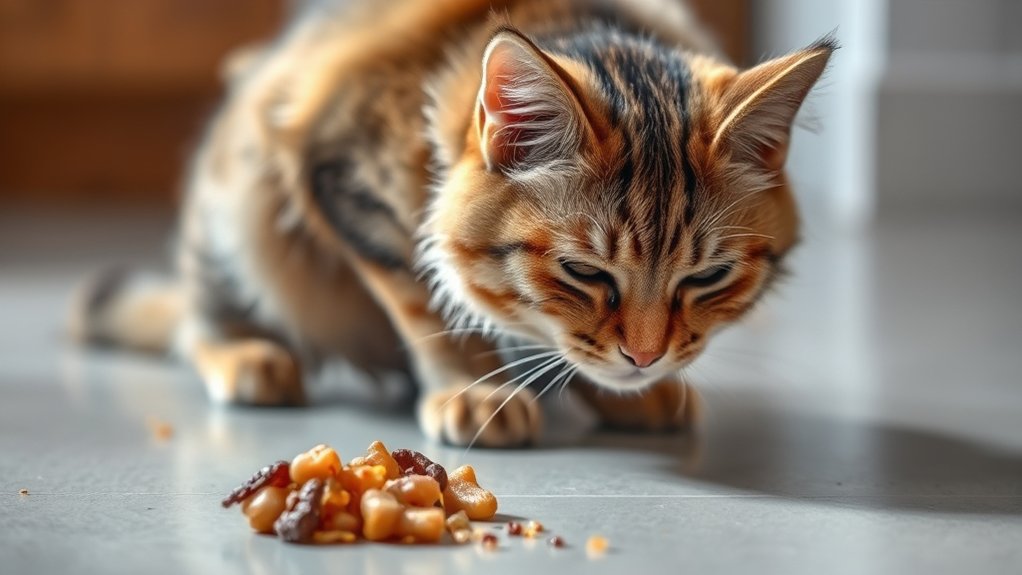
Distinguishing vomiting from regurgitation in your cat is essential for understanding their health and deciding when to seek veterinary care.
Vomiting is an active process involving abdominal muscle contractions, often accompanied by bile, which appears yellow or green. It typically occurs after eating or due to gastrointestinal upset.
You might also notice other symptoms like lethargy, diarrhea, or blood, which could point to more serious causes.
Regurgitation, on the other hand, is a passive expulsion of undigested food or liquid from the esophagus. It’s usually clear or partially digested and happens suddenly and effortlessly shortly after eating.
Keeping an eye on how often these episodes happen and what they look like can help you figure out if your cat needs a vet.
Recognizing the differences between vomiting and regurgitation lets you respond appropriately to your cat’s health needs.
Signs Your Cat’s Vomiting Needs Urgent Care
When should you seek urgent care for your cat’s vomiting? Vomiting in cats can range from mild to life-threatening. You need urgent veterinary attention if you notice any of these signs:
Your cat vomits more than 2-3 times consecutively. This can lead to dehydration and other complications. So, it’s important not to wait too long.
Vomiting comes with diarrhea, loss of appetite, or severe lethargy. These symptoms could mean something serious is going on.
There’s blood in the vomit or your cat shows signs of abdominal pain. If you see this, your cat needs immediate blood work and evaluation.
If your cat has pre-existing health issues and suddenly starts vomiting, it’s even more urgent. This raises the chances of severe complications.
Catching these symptoms early and getting prompt care can stop things from getting worse. Plus, it helps your cat get the right treatment quickly.
What Are the Common Causes of Cat Vomiting
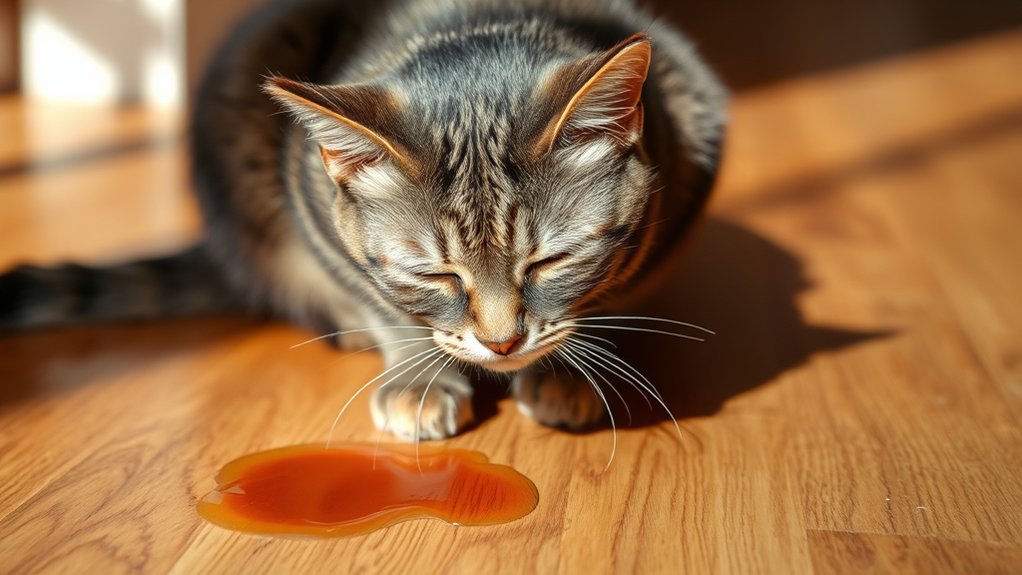
You might notice your cat vomiting because of dietary triggers, like food sensitivities or intolerances. The good news is that these often improve once you make some changes to their diet.
Then, there are parasites, which can irritate your cat’s digestive system and cause vomiting. If that happens, it’s important to get a vet involved for proper diagnosis and treatment.
On top of that, toxins from certain plants or harmful foods can lead to more serious vomiting episodes, so quick medical attention is really necessary in those cases.
Dietary Triggers
Although changes in diet are often necessary, they can easily trigger vomiting in cats, especially if the new food contains ingredients that upset their sensitive stomachs.
Dietary triggers are a common cause of vomiting in cats, often linked to gastrointestinal disorders caused by food intolerances or sensitivities.
You should watch for proteins like beef, chicken, or fish causing upset. Rapid eating can lead to regurgitation, and consumption of spoiled or inappropriate items is also a problem.
Introducing new brands or formulas too quickly might cause issues as well.
To help your cat, consider a highly digestible diet and introduce new food gradually.
Cats with dietary intolerances may benefit from novel protein diets that reduce vomiting episodes.
Monitoring your cat’s diet closely can really improve their gastrointestinal health and comfort.
Parasites and Toxins
Since gastrointestinal parasites and toxins directly irritate your cat’s digestive system, they often cause vomiting along with other symptoms like diarrhea and weight loss.
Parasites such as roundworms and hookworms invade the gastrointestinal tract, triggering these signs. If multiple cats vomit, a contagious parasitic infection might be involved, so fecal exams are essential for diagnosis.
Toxins like lilies, antifreeze, onions, and chocolate pose serious risks and require urgent veterinary care, especially if your cat shows lethargy or blood in vomit.
To protect your cat, keep harmful substances out of reach and maintain a regular schedule of deworming medication.
Prompt intervention and prevention are key to managing vomiting caused by parasites and toxins, helping your cat recover comfortably and safely.
What Your Cat’s Vomit Can Tell You
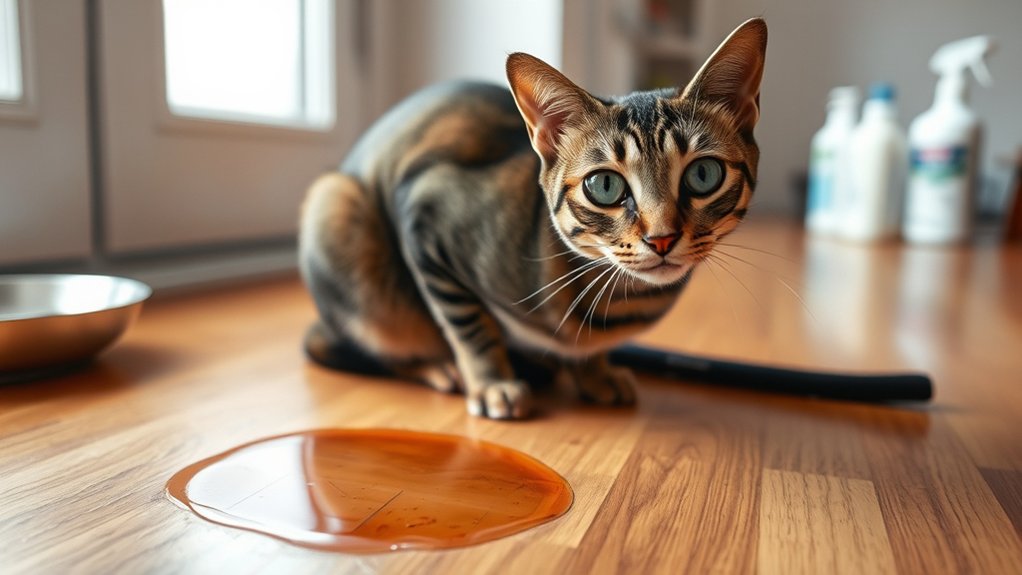
The color and consistency of your cat’s vomit can reveal important clues about their health. Understanding these signs helps you recognize when to seek veterinary care for causes of cat vomiting.
Yellow vomit often means bile is present, which usually indicates an empty stomach or irritation.
Blood in the cat’s vomit is serious and requires immediate attention. It may come from the mouth, esophagus, or stomach.
Undigested food suggests a possible obstruction or motility disorder. Sometimes this is caused by foreign objects.
White, foamy vomit usually indicates regurgitation, not true vomiting. This is often due to esophageal irritation.
Monitoring the frequency of vomiting—especially if it’s chronic—helps identify underlying issues early. That way, your cat can get the care they need as soon as possible.
How Vets Diagnose Cat Vomiting
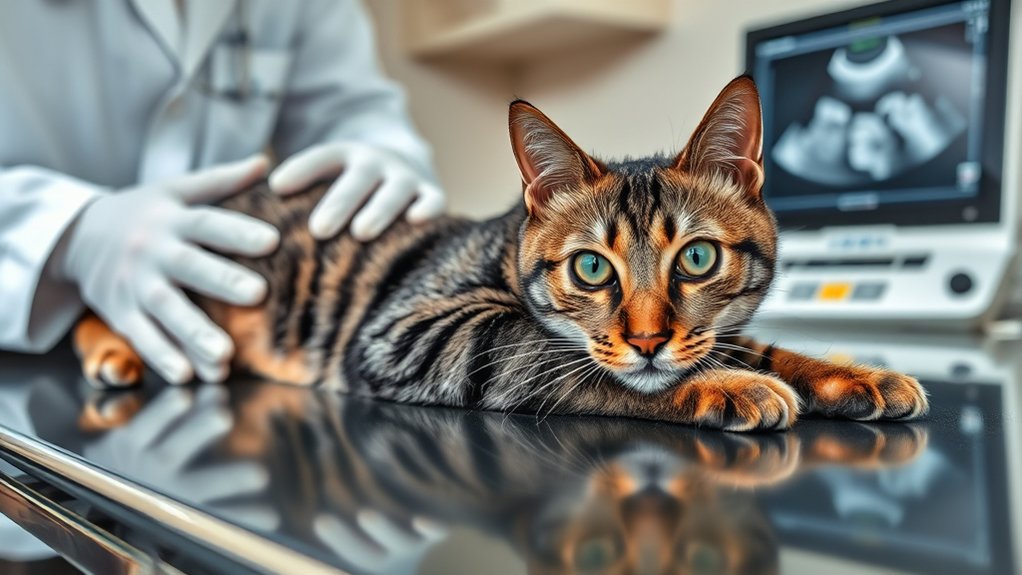
When your cat is vomiting, your vet will start by taking a close look at the vomit—checking its color, consistency, and any unusual bits to find important clues.
They’ll also ask about your cat’s history and do a physical exam to get a better idea of what’s going on.
From there, your vet might suggest running some tests like blood work or imaging, depending on your cat’s symptoms.
These help narrow down the cause so they can figure out the best way to help your furry friend.
Diagnostic Procedures Overview
Although cat vomiting can have many causes, veterinarians start diagnosing it by gathering a detailed history and performing a thorough physical exam. This initial physical examination helps identify signs pointing to underlying conditions that may be causing the vomiting.
Next, your vet will use diagnostic tests, such as blood work, fecal exams, and imaging like X-rays or ultrasounds, to get a clearer picture. In persistent or severe cases, advanced procedures like endoscopy allow direct visualization of the gastrointestinal tract for a definitive diagnosis.
Here’s what you can expect during diagnosis:
- Detailed history focusing on vomiting frequency and duration
- Physical examination to assess overall health
- Diagnostic tests to identify possible causes
- Endoscopy for persistent or unclear cases
This approach guarantees accurate diagnosis and effective treatment planning.
Vomit Characteristics Analysis
Vomit characteristics provide essential clues that help vets pinpoint the cause of your cat’s vomiting. When examining how the vomit looks, vets focus on vomit color analysis.
Yellow vomit often signals bile from an empty stomach or liver issues, while clear vomit may indicate regurgitation.
Foamy white vomit typically comes from the esophagus. Finding undigested food suggests possible obstructions or motility disorders.
Observing vomit behavior is equally important. Active vomiting involves forceful expulsion, while passive regurgitation is less intense.
Blood in vomit demands immediate attention because it may stem from various parts of the digestive tract.
At-Home Care Tips for Managing Mild Cat Vomiting
If your cat experiences mild vomiting, you can take several practical steps at home to ease their discomfort and support recovery. Managing cat vomiting effectively involves simple but attentive care.
Offer a bland diet, like small portions of boiled chicken or rice, to soothe their digestive system and reduce vomiting episodes. Make sure they’ve constant access to fresh water to prevent dehydration, which is a common risk when vomiting occurs.
You might want to use slow feeders or puzzle toys to discourage rapid eating since that can trigger regurgitation.
Keep a close eye on symptoms by tracking their appetite, activity, and how often they vomit. This record can really help your vet if the problem sticks around.
These home remedies provide comfort while you watch for any changes. But if vomiting gets worse or you notice signs of dehydration, don’t hesitate to get veterinary care right away.
Safe Home Remedies for Cat Vomiting
You can help your cat recover from vomiting by making sure they stay well-hydrated. Offering fresh water or moist food can really ease their digestive system.
Also, natural aids like probiotics and small amounts of pure pumpkin puree might soothe their stomach and support gut health.
These safe home remedies can work alongside your care to help reduce vomiting episodes when used the right way.
Hydration Support Methods
Because dehydration poses a serious risk to cats experiencing vomiting, maintaining adequate hydration is essential to their recovery. You can support your cat’s hydration and comfort with simple, effective methods:
- Always provide fresh water and consider a pet water fountain to encourage drinking.
- Incorporate wet food in your cat’s diet, as it contains more moisture and supports healthy cats better than dry food alone.
- Offer small amounts of veterinarian-approved electrolyte solutions to replenish lost fluids and minerals safely.
- Let your cat lick ice cubes or ice chips, which can hydrate without overwhelming the stomach.
Keep a close eye on your cat for signs of dehydration like dry gums or lethargy. If you notice these signs, it’s best to consult your vet right away.
They might suggest fluid therapy to make sure your cat recovers safely and comfortably.
Natural Digestive Aids
While vomiting in cats can be distressing, several natural digestive aids can help soothe their stomachs and support recovery. Ensuring proper hydration is vital, so encourage your cat to drink more water or offer wet food.
Probiotics are another effective way to restore healthy gut flora, potentially reducing vomiting episodes. You can also try small amounts of plain pumpkin puree, which regulates digestion and firms up stools safely.
Hairball gels provide essential lubrication, aiding the passage of hairballs through the digestive tract and decreasing vomiting caused by blockages. Moreover, using slow feeders or puzzle bowls helps prevent vomiting by slowing your cat’s eating pace, reducing regurgitation.
These natural aids can complement veterinary care and improve your cat’s digestive health gently and effectively. It’s always a good idea to check with your vet before trying new treatments, just to be safe. Your cat will thank you!
How Vets Treat Cat Vomiting
When your cat starts vomiting, veterinarians begin by performing a thorough physical exam and gathering a detailed history to pinpoint possible causes, including diet and toxin exposure.
They’ll often run diagnostic tests like blood work and imaging to rule out serious issues.
Treatment focuses on administering an anti-emetic drug to control the vomiting.
They also provide supportive care, such as IV fluids, to prevent dehydration.
Dietary management is important too, often involving a switch to bland or novel-protein diets.
For chronic cases, vets explore ongoing treatment plans that usually involve medications and tailored diets.
How to Prevent Vomiting Episodes in Your Cat
Managing your cat’s vomiting doesn’t stop at treatment. It also involves some proactive steps you can take at home to reduce the risk of future episodes.
To prevent vomiting, try feeding your cat smaller, more frequent meals instead of large portions. This helps avoid overeating and regurgitation.
Feed your cat smaller, frequent meals to prevent overeating and reduce vomiting.
Also, gradually adjust your cat’s diet over 7-10 days to minimize any stomach upset.
Regularly brushing your cat reduces hairballs, which are a common cause of vomiting because of all the hair they swallow during grooming.
Always provide fresh water to support digestion and keep your kitty hydrated.
And don’t forget to keep harmful substances and foreign objects out of reach. This prevents accidental ingestion that could trigger vomiting.
What to Do in an Emergency When Your Cat Is Vomiting
If your cat vomits more than two or three times in a row, you need to get veterinary care right away to prevent dehydration and other problems.
When your cat is vomiting, acting quickly can really save their life. Here’s what you should do:
First, keep an eye on the vomit’s appearance and watch for other symptoms like lethargy or if your cat refuses to eat.
Make sure your cat has access to fresh water to avoid dehydration, but hold off on giving food until a vet checks them out.
If you see blood in the vomit or notice severe lethargy, don’t wait—get immediate veterinary help.
Also, it’s a good idea to keep a detailed record of each vomiting episode. This will help the vet figure out what’s going on more easily.
Staying calm and acting fast can make a big difference when your cat is vomiting.
Frequently Asked Questions
Can Certain Cat Breeds Be More Prone to Vomiting?
Yes, certain cat breeds are more prone to vomiting due to breed sensitivities and genetic predispositions.
For example, Siamese and Burmese cats often face gastrointestinal issues, while Persians may struggle with respiratory-related vomiting. Your cat’s dietary habits and environmental factors also play significant roles.
Understanding these influences helps you manage common illnesses effectively and tailor care to your cat’s unique needs.
This way, you can ensure better health and comfort for your furry friend.
Does Age Affect How Often Cats Vomit?
You should know that up to 40% of older cats experience vomiting related to age.
Age-related health issues, like kidney disease or digestive issues, increase vomiting frequency. Dietary changes often become necessary as your cat’s digestion slows.
Underlying conditions and environmental factors can also contribute.
Monitoring these signs and consulting your vet helps manage your cat’s health effectively. This way, you can ensure your cat’s comfort and get timely treatment for any problems linked to aging.
Can Vaccinations Cause Vomiting in Cats?
Yes, vaccinations can cause vomiting in cats due to vaccination reactions linked to their feline immune response.
This digestive upset usually happens within hours to a couple of days after the shot, so timing effects are important to watch.
You should practice post vaccine monitoring closely to spot any symptoms early.
If vomiting persists or worsens, consult your vet promptly to rule out serious issues and guarantee your cat’s safety.
Is It Normal for Cats to Vomit Hairballs?
Yes, occasional hairball vomiting is normal in cats, especially if you’ve noticed grooming techniques that help reduce loose fur.
Keep an eye on vomiting frequency; more than once a week might signal a problem. Focus on hairball prevention through diet considerations, like specialized food that aids digestion.
Watch for health indicators such as distress or lethargy. If these arise, consult your vet to guarantee your cat stays healthy and comfortable.
How Does Stress Specifically Trigger Vomiting in Cats?
Stress triggers a complex reaction in your cat’s body that often leads to vomiting.
Feline anxiety, sparked by environmental changes like new pets or loud noises, activates their fight-or-flight response. This releases stress hormones, disrupting gut motility and causing nausea.
You might notice behavioral signs like hiding or excessive grooming.
To help, use coping strategies such as creating a calm space and gradual introductions to reduce stress and protect your cat’s digestive health.
Conclusion
You might think occasional vomiting is just a quirk, but it could signal something more serious. Since vomiting and regurgitation often get confused, knowing the difference helps you act fast.
If your cat’s symptoms suddenly worsen or don’t improve, don’t wait. Seek urgent care right away. Remember, identifying causes early and working with your vet guarantees the best outcome.
You’re not just treating vomiting. You’re protecting your cat’s health and comfort.