

Why Dogs Are Better Than Cats – Key Differences Explained
You’ll find dogs build stronger emotional bonds through loyalty and unwavering support, making you feel truly valued. Their social nature means they actively seek connection and play, boosting companionship and joy. Dogs adapt easily to training and family life, encouraging a more active lifestyle.
Though caring for them requires commitment, their loyalty and service roles deepen your bond like no other pet can. Keep exploring, and you’ll discover even more reasons dogs outshine cats.
Why Dogs Build Stronger Emotional Bonds Than Cats
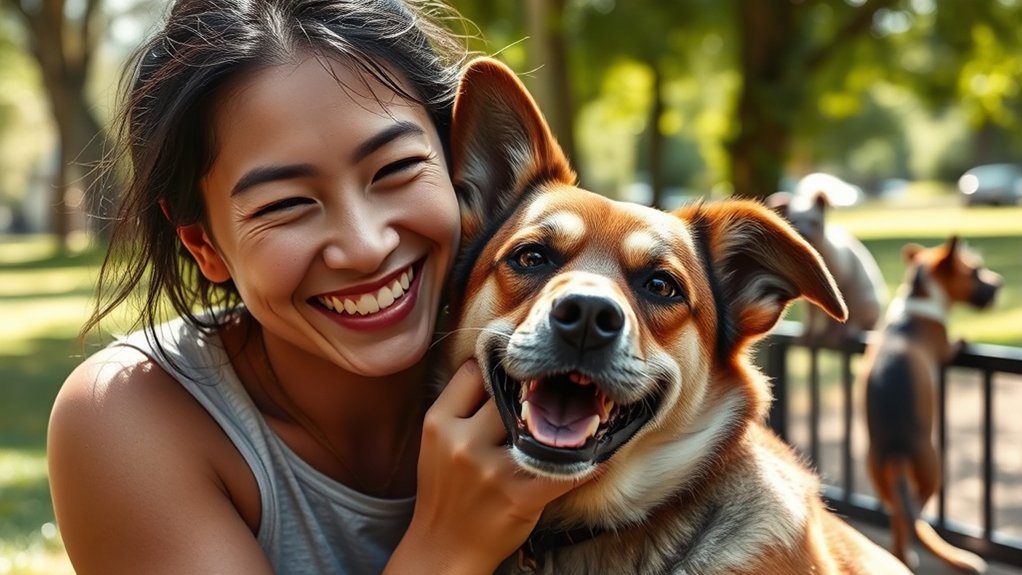
Although cats can be affectionate, dogs tend to build stronger emotional bonds with their owners because of their loyalty and willingness to connect. When you come home, dogs often greet you with enthusiasm, showing unconditional love that fosters emotional support.
Research confirms that dog owners experience greater emotional closeness, thanks to dogs’ active desire for companionship and interaction.
Unlike cats, dogs respond well to training and commands, which deepens your engagement and strengthens your bond. This dynamic relationship boosts your emotional well-being, with studies indicating higher self-esteem among dog owners, especially older men.
How Dogs’ Social Nature Boosts Companionship Compared to Cats
Building on the emotional bonds dogs form with their owners, their social nature plays a key role in boosting companionship in ways cats often don’t.
Dogs are better at seeking interaction, greeting you with enthusiasm and loyalty, which instantly creates a strong emotional bond.
They thrive on shared activities like outdoor walks and play sessions, encouraging regular engagement that deepens your connection.
Unlike cats, dogs’ need for social interaction means they actively include you in their daily lives, making you feel valued and needed.
Dogs’ social nature actively involves you daily, making you feel truly valued and needed.
Studies show dog owners experience greater emotional closeness and improved self-esteem, highlighting how dogs’ social nature positively impacts your well-being.
When it comes to companionship, these strong emotional bonds show why dogs are better than cats.
How Dogs’ Playfulness Enhances Owner Interaction
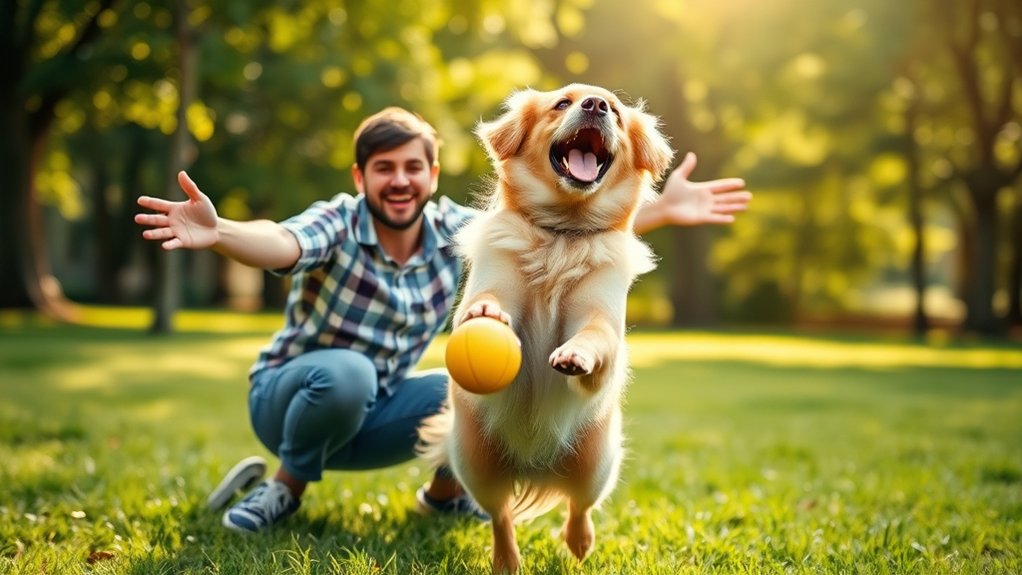
When you play with a dog, you’re not just passing time. You’re strengthening a unique connection built on mutual joy and engagement.
Dogs naturally seek out play, initiating games like fetch or tug-of-war that invite you to join their world of fun. Their playful energy isn’t just entertaining. It reflects their deep love and empathy for you.
As you engage in physical activities together, dogs respond to your emotions, enhancing the bond you share. This interaction boosts your mental and physical well-being while reinforcing loyalty and companionship.
Unlike cats, dogs’ playful nature actively invites participation. That makes every moment spent together an opportunity to deepen your relationship through shared joy and affection.
Why Dogs Are Easier to Train Than Cats and More Versatile
Discovering how dogs outshine cats in training starts with their impressive brainpower and social instincts. Dogs have about 530 million neurons, enabling them to grasp complex commands quicker than cats. Their pack mentality drives them to seek your approval, making dogs easier to train through positive reinforcement.
Unlike cats, who can be selective and need patience, dogs respond promptly and enjoy new challenges. This enthusiasm boosts their adaptability, letting you train them for various roles, from companionship to service work.
Dogs eagerly embrace challenges, making them adaptable and trainable for roles from pets to service animals.
Plus, the wide variety of dog breeds means you can find one perfectly suited for specific tasks. When you choose dogs, you’re opting for a pet that’s not only easier to train but also more versatile in meeting your needs.
It really comes down to their natural desire to please and their ability to take on different roles with ease. So, if training and versatility are top priorities, dogs are definitely the way to go.
How Dogs Promote More Active Owner Lifestyles Compared to Cats
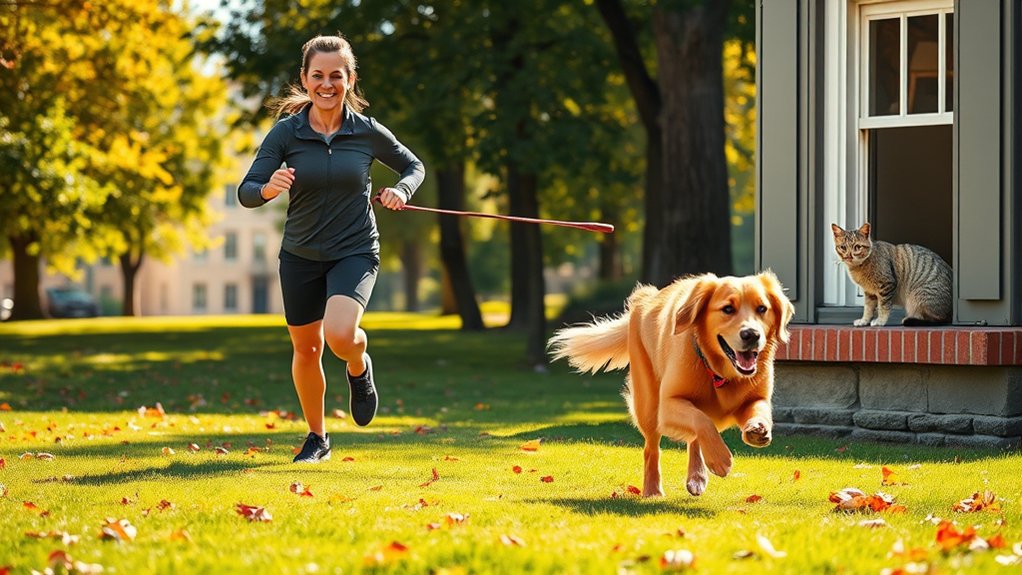
When you have a dog, you’ll notice yourself moving around a lot more. That’s because dogs need about 30 to 60 minutes of exercise every day.
They really enjoy activities like fetch and running, which naturally get you outside and help you stick to a routine.
Plus, this regular time together doesn’t just keep your dog healthy—it’s great for your own physical and social well-being, too.
Daily Exercise Requirements
Although cats generally require minimal exercise, dogs demand daily physical activity that can transform your lifestyle. Dogs thrive on consistent routines, needing 30 to 60 minutes of exercise daily depending on breed size. Meeting these exercise requirements encourages you to stay active through walking, running, or playing fetch.
This regular engagement not only benefits your dog’s health but also improves your cardiovascular fitness and helps reduce obesity risk.
Unlike cats, who prefer solitary play, dogs depend on your participation, fostering a stronger bond and providing social interaction. By committing to your dog’s exercise needs, you naturally build healthier habits and a more active lifestyle.
Dogs make exceptional companions for those seeking motivation to move regularly and enjoy the outdoors together. It’s a win-win situation for both you and your furry friend.
Interactive Outdoor Activities
Because dogs need regular outdoor exercise, they naturally encourage you to adopt a more active lifestyle compared to cats, who prefer independent, indoor play. Engaging in interactive activities like fetch or tug of war not only keeps your dog physically fit but also boosts your physical health by getting you moving.
Dogs thrive on social interaction, often motivating you to visit dog parks or join group walks, which adds a social dimension to your exercise routine. Training sessions, such as agility courses or obedience classes, provide structured physical activity that benefits both you and your dog.
With a dog by your side, you’re more likely to explore outdoor environments regularly, enhancing your well-being through increased movement and connection with nature. This dynamic clearly sets dogs apart in promoting active lifestyles.
Encouraging Consistent Routines
Since dogs need daily exercise, they naturally encourage you to build consistent outdoor routines that benefit your health. Unlike cats, who often prefer solitary play and less structured interaction, dogs require 30 to 60 minutes of activity each day. This necessity motivates you to engage in regular walks, play sessions, and training that promote both physical fitness and mental well-being.
Activities like fetch or tug of war aren’t just fun. They foster a strong bond while keeping you active. By encouraging consistent routines, dogs help you maintain structure in your day, making it easier to stay committed to exercise and social interaction.
In contrast, cats’ independent nature means they don’t promote the same level of active lifestyle changes that dogs do.
How Dogs Provide Better Protection and Security
When you bring a dog into your home, you gain a vigilant protector with sharp senses that can detect threats you might miss. Dogs’ keen smell and hearing alert you to unusual sounds or scents, boosting your home security.
Breeds like German Shepherds and Rottweilers have strong protective instincts, making them excellent watchdogs. Their loyalty means they often act defensively to keep you safe. Plus, their presence and bark alone can deter potential intruders.
| Feature | How Dogs Help | Security Benefit |
|---|---|---|
| Keen Senses | Detect unusual sounds/smells | Early threat detection |
| Protective Breeds | Natural guarding instincts | Effective deterrence |
| Alert Training | Signals emergencies | Quick response possible |
| Loyal Companionship | Defend owners | Enhanced personal safety |
Why Taking Care of Dogs Is Hard Work : But Totally Worth It
Although caring for a dog demands daily commitment, from regular exercise and grooming to consistent training, the rewards you gain through their loyalty and companionship make every effort worthwhile.
As dog owners, you’ll find the responsibilities challenging but deeply fulfilling.
Here’s why it’s hard work yet worth it:
Dogs need 30 to 60 minutes of structured exercise daily. This helps build strong bonds through shared activity.
Grooming, especially for long-haired breeds, means regular brushing and bathing to keep them healthy.
Training takes consistent commands and positive reinforcement. This helps your dog thrive and socialize well.
Through these efforts, you get a unique gift—your dog’s unconditional love. It makes every moment you invest meaningful and rewarding.
How Dogs’ Loyalty Strengthens Owner Bonds
Because dogs see you as a vital part of their pack, their loyalty creates a powerful emotional bond that enriches your relationship.
Dogs offer unwavering emotional support, greeting you with joy and excitement that reinforces your connection every time you return. Their protective instincts help you feel safe and valued, deepening the trust between you.
Studies show dog owners often experience greater emotional closeness and higher self-esteem, highlighting how dogs positively impact mental well-being.
Through regular play and interaction, you build a dynamic, engaging relationship that strengthens your bond. This loyalty isn’t just affection; it’s a dependable source of emotional support that helps you feel connected, understood, and valued.
That’s what makes dogs such exceptional companions in your life.
Why Dogs Adapt Better to Family Life and Social Events
Since dogs are naturally social animals, they fit seamlessly into family life and social events, thriving on regular interaction with people. You’ll notice dogs quickly adapt, making gatherings livelier and more engaging.
Their trainability means they can join in games and respond to commands, which keeps everyone entertained and connected.
Here’s why dogs excel in these environments:
They build strong emotional bonds, greeting family members warmly and creating a welcoming atmosphere.
Their need for daily exercise encourages shared outdoor activities, promoting health and togetherness.
Dogs actively participate in play, like fetch or tug-of-war, fostering interactive fun that involves everyone.
With dogs by your side, social events become more dynamic, and family life feels fuller and more connected. It’s like having a little bundle of joy that brings everyone closer together.
How Dogs Support Owners as Service and Therapy Animals
You’ll find that dogs play essential roles as service animals. They guide people who are visually impaired, alert those who are hearing impaired, and provide mobility support.
But it’s not just about physical help. Therapy dogs offer emotional comfort too. They can lower stress and improve mental health, especially in places like hospitals and nursing homes.
Their versatility really makes them invaluable companions. Whether it’s physical or emotional support, dogs are there with loyalty and skill, ready to assist in many ways.
Service Roles and Functions
Service dogs play an essential role in supporting individuals with disabilities by performing specialized tasks that enhance independence and safety.
These dogs, trained as service animals, help you navigate daily challenges with greater ease and confidence. Their ability to learn complex commands makes them invaluable companions, recognized legally under the Americans with Disabilities Act.
Here are some key functions they perform:
- Guiding visually impaired people safely through environments
- Alerting deaf individuals to important sounds
- Providing mobility assistance, such as retrieving items or helping with balance
Beyond service roles, therapy dogs complement healthcare and educational settings by offering comfort, but their primary impact lies in these crucial service roles.
When you rely on a dog as a service animal, you gain a partner dedicated to improving your quality of life.
Emotional Support Benefits
Although dogs are well known for their practical assistance, their emotional support plays an equally crucial role in improving your well-being.
Dogs trained as therapy animals help reduce stress and anxiety by promoting calmness in hospitals and schools. When you interact with dogs, your cortisol levels drop while oxytocin rises, lifting your mood and easing emotional strain.
Beyond these physiological effects, dogs provide a unique emotional bond that offers you unconditional love and a deep sense of security.
This connection helps combat loneliness and encourages social interaction, which can be essential to your mental health.
Ultimately, dogs serve as loyal companions whose emotional support fosters resilience and comfort, enhancing your quality of life in ways that go beyond physical assistance.
Versatility In Assistance
When dogs assist individuals with disabilities, they perform essential tasks like guiding the visually impaired, alerting those with hearing loss, and providing mobility support. As service animals, dogs offer unmatched versatility in aiding your daily life.
Beyond physical assistance, therapy dogs provide emotional comfort in hospitals and schools, helping to ease anxiety and boost mental well-being. Their presence can even lower stress hormones and increase feelings of calm.
Dogs’ adaptability extends to specialized roles such as search and rescue or medical detection, showcasing their invaluable support capabilities.
Consider how dogs as service animals help by:
- Performing critical safety tasks for people with disabilities
- Offering emotional support to reduce stress and anxiety
- Assisting in specialized fields like search and rescue or medical alerts
This versatility makes dogs uniquely supportive companions.
Frequently Asked Questions
What Are the Most Common Health Issues in Dogs Versus Cats?
The most common ailments in dogs include hip dysplasia, heart disease, obesity, and canine diabetes.
In cats, dental disease, chronic kidney disease, hyperthyroidism, and feline lower urinary tract disease are frequent issues.
You’ll need to focus on preventative care tailored to each pet’s needs, like regular exercise and diet for dogs, and stress management and hydration for cats.
Staying vigilant with vet check-ups helps you catch problems early and keep your pet healthy.
How Do the Costs of Owning Dogs and Cats Compare?
You’ll spend more on dogs than cats because vet expenses, pet insurance, and daily care all add up.
Dogs need more frequent grooming, training, and outdoor gear, which drives costs higher. Pet insurance for dogs tends to be pricier due to their activity levels and health risks.
Cats, on the other hand, usually require less maintenance, have lower vet bills, and their insurance premiums are more affordable.
Which Dog Breeds Are Best for First-Time Owners?
If you’re a first-time dog owner, breeds with a friendly temperament and training ease are ideal.
Labrador Retrievers and Golden Retrievers are great choices because they’re sociable and keen to please, making training smoother.
Beagles offer friendly energy for active owners, while Pugs suit smaller spaces with their affectionate, low-exercise needs.
Cavalier King Charles Spaniels provide gentle companionship, helping you build a strong bond and enjoy your new pet confidently.
How Do Dogs and Cats Differ in Grooming Needs?
You’ll find dogs need grooming up to several times a week, especially long-haired breeds. This usually means using brushes, nail clippers, and sometimes even professional services.
It’s a bit of a routine to keep them looking and feeling good.
Cats, on the other hand, mostly groom themselves. They might need occasional brushing to prevent mats and hairballs.
Their grooming tools are simpler—a soft brush usually does the trick.
Managing dog fur takes more effort. But cat grooming demands less time and fewer tools overall.
What Are the Dietary Differences Between Dogs and Cats?
You’ll notice dogs thrive on varied diets, including raw diets, combining proteins, carbs, and fats.
Cats, on the other hand, need strict high-protein, low-carb meals rich in animal proteins.
Feeding schedules differ too.
Dogs can handle flexible times, but cats benefit from consistent, frequent meals to match their metabolism.
Understanding these differences guarantees you meet each pet’s unique nutritional needs.
This keeps them healthy and energized without risking issues from improper diets.
Conclusion
You might think cats are low-maintenance, but dogs offer something deeper: genuine companionship. While they do require more care and attention, that effort creates a unique, loyal bond you won’t find elsewhere.
Dogs encourage you to stay active, socialize, and enjoy life more fully. Their playful nature and trainability make every moment rewarding.
Choosing a dog means embracing a relationship that grows stronger with time, and that’s truly worth it.