Can Cat Eat Hot Dog – Is It Safe For Cats
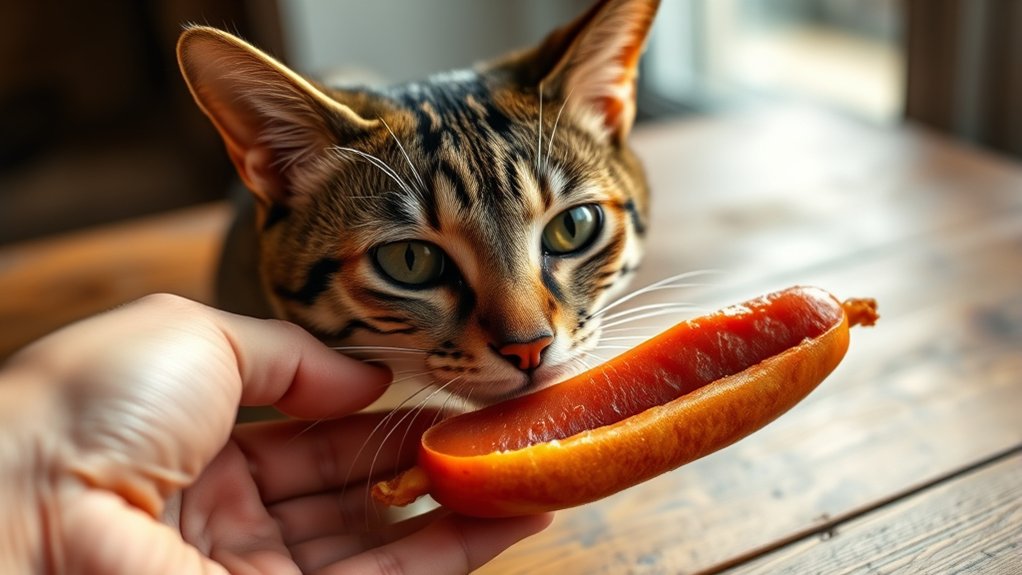
You shouldn’t feed your cat hot dogs because they contain high levels of sodium, fat, and harmful preservatives that can upset your cat’s sensitive digestive system. Eating hot dogs may cause vomiting, diarrhea, dehydration, or even sodium-ion poisoning.
While occasional small amounts might not cause severe harm, it’s safer to avoid these processed treats altogether. There are much healthier alternatives for your cat’s diet, and understanding the risks and proper actions can help you protect your pet’s health.
Can Cats Eat Hot Dogs Safely?
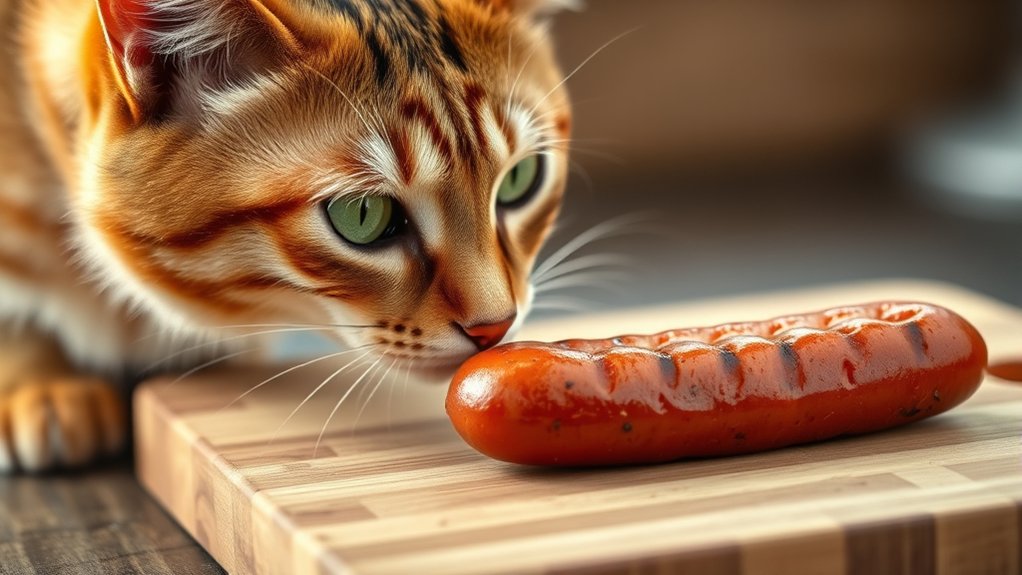
Wondering if your cat can safely eat hot dogs? While cats can technically eat hot dogs, they’re highly processed and not ideal for your feline friend.
Hot dogs contain high levels of sodium, fat, and preservatives, which pose risks if you feed them to your cat regularly. Consuming hot dogs can lead to dehydration, obesity, and even sodium-ion poisoning in cats.
Hot dogs are high in sodium, fat, and preservatives, risking dehydration, obesity, and sodium-ion poisoning in cats.
If your cat accidentally eats hot dogs, keep a close eye on them for symptoms like vomiting or loss of appetite over the next 48 hours.
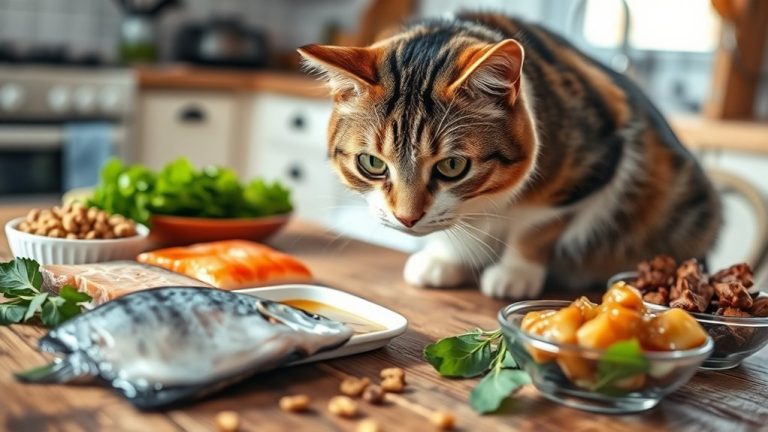
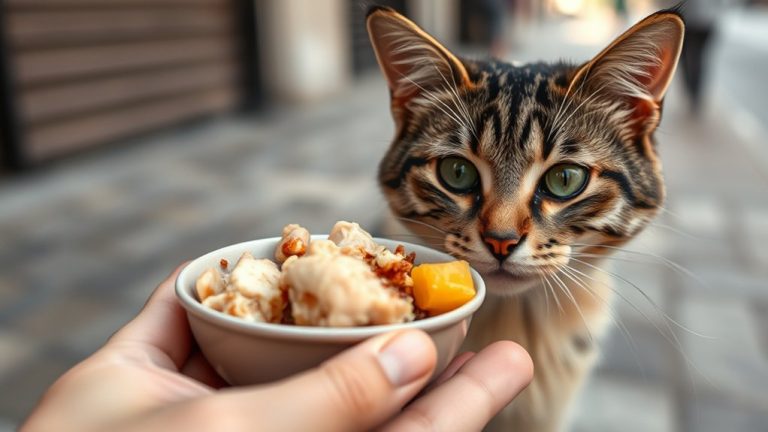
Instead of risking your cat’s health with hot dogs, opt for safe treat options such as freshly cooked chicken, turkey, or freeze-dried shrimp. These provide better nutrition without harmful additives.
Why Hot Dogs Are a Risky Treat for Cats
Although hot dogs might seem like a convenient treat, they pose several health risks for your cat. Hot dogs are highly processed and often contain additives that can be harmful to feline health. Their high sodium content can lead to dehydration and serious conditions like sodium-ion poisoning and high blood pressure.
Moreover, preservatives in hot dogs may be more toxic to cats than humans. You should also be aware that hot dogs can harbor harmful bacteria, which increases the risk of infection. Even a small amount can cause gastrointestinal upset, including vomiting and diarrhea.
Because cats have sensitive digestive systems, feeding them hot dogs isn’t worth the risk. It’s best to avoid giving your cat this risky treat altogether.
Trust me, sticking to cat-friendly snacks is always the safer choice.
What Happens If Your Cat Eats Hot Dogs? Immediate Effects
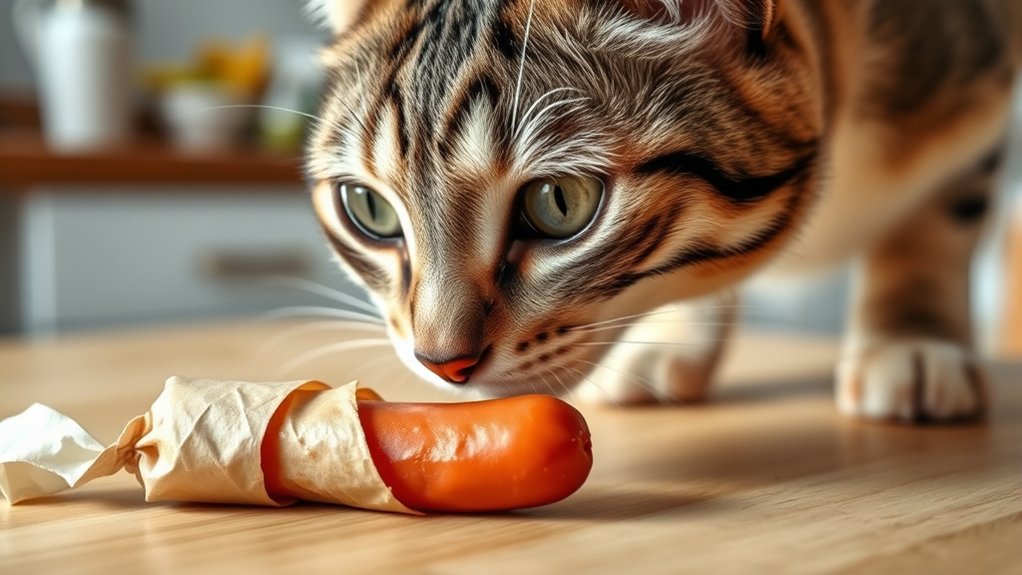
If your cat happens to eat hot dogs, you might notice immediate signs of distress, especially gastrointestinal upset like vomiting or diarrhea. Hot dogs are high in sodium and fat, which can overwhelm your cat’s sensitive digestive system.
The processed ingredients and preservatives in hot dogs may trigger an adverse reaction more quickly than other foods. Shortly after consumption, your cat might also lose its appetite as its digestive system struggles to process these unnatural components.
Processed ingredients and preservatives in hot dogs can quickly upset your cat’s digestion and reduce its appetite.
While a single small piece mightn’t cause severe harm, multiple hot dogs increase the risk of sodium-ion poisoning and dehydration, both serious concerns.
It’s important to monitor your cat closely for any unusual behavior or health issues following hot dog ingestion. Prompt attention can prevent complications, so don’t hesitate to reach out to your vet if you notice anything off.
Spotting Hot Dog Illness in Cats: Symptoms to Watch For
If your cat happens to eat a hot dog, keep an eye out for any digestive issues like vomiting or diarrhea over the next couple of days.
You might also see some changes in their behavior, like them becoming really tired or suddenly not wanting to eat. These can be signs that your cat is feeling uncomfortable.
Common Digestive Symptoms
When your cat eats hot dogs, you need to watch closely for signs of digestive upset such as vomiting, diarrhea, and a decreased appetite.
These are common symptoms indicating your cat’s system might be struggling with processed foods like hot dogs.
Vomiting that lasts longer than 4-6 hours is particularly concerning and could signal a more serious problem.
Along with these digestive symptoms, pay attention to any abdominal discomfort or unusual posture, as these may also point to gastrointestinal distress.
If your cat’s symptoms persist beyond 24 hours or worsen, don’t hesitate to seek veterinary care.
Early intervention can prevent complications and guarantee your cat stays safe and healthy after consuming something unfamiliar like a hot dog.
Behavioral Changes Indicators
Recognizing behavioral changes in your cat after eating hot dogs can help you catch early signs of illness. Watch for vomiting or diarrhea within 48 hours, as these indicate digestive system upset. You might also notice your cat licking its lips or adopting unusual postures. These are signs of nausea linked to hot dogs consumption.
A decreased appetite or lethargy often signals discomfort, so monitor your cat closely for at least two days. If vomiting persists beyond 4-6 hours, seek veterinary care immediately to prevent complications.
Guarantee your cat has constant access to fresh water to counter dehydration risks from the high sodium in hot dogs.
Paying attention to these behavioral changes helps you respond promptly, protecting your cat’s health effectively. It’s always better to be safe and keep a close eye on your furry friend after they’ve had something unusual like hot dogs.
What to Do If Your Cat Eats a Hot Dog
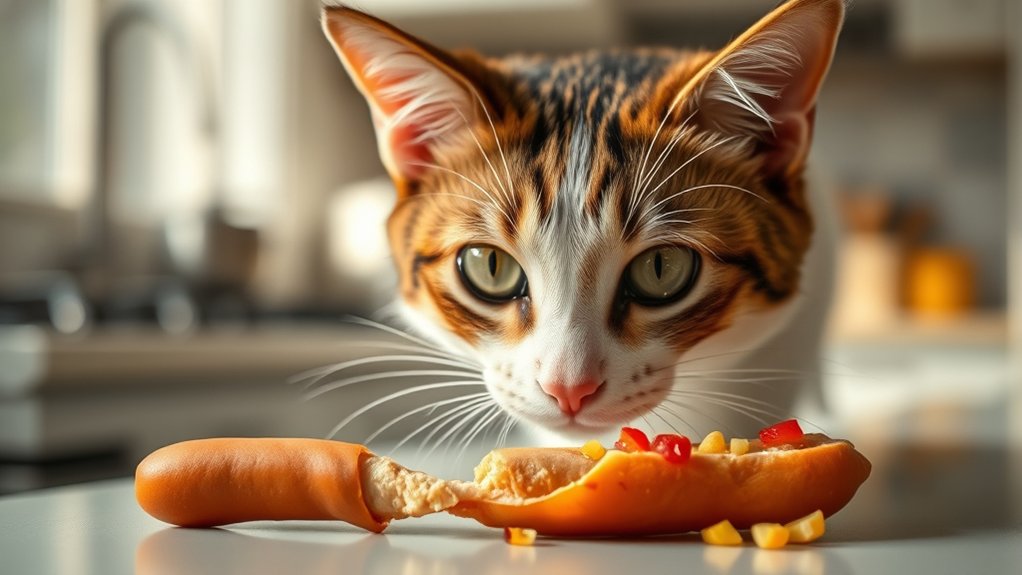
If your cat happens to eat a hot dog, don’t panic right away. Just keep an eye on them for the next couple of days.
Watch out for any signs like vomiting or if they seem extra tired or sluggish.
Make sure your kitty has plenty of fresh water to drink, and see if they start eating normally again by the second day.
If things don’t improve or if you notice any worsening symptoms, it’s a good idea to get in touch with your vet as soon as possible.
Monitor For Symptoms
Although a single bite of hot dog mightn’t immediately harm your cat, you should closely monitor them for 48 hours to catch any signs of distress like vomiting, diarrhea, or loss of appetite.
Keep an eye out for symptoms of gastrointestinal upset, lethargy, or unusual behavior, as these could signal a reaction to the high sodium content or other ingredients.
Make certain your cat has access to fresh water to help counteract potential dehydration caused by excess sodium. A full belly after eating is normal, but if your cat’s appetite doesn’t return within two days, it’s important to consult your veterinarian.
Monitoring your cat carefully during this period guarantees you can respond promptly if symptoms worsen or persist. It’s always better to be safe and keep a close watch on how they’re feeling.
When To Vet
How do you know when it’s time to call the vet after your cat eats a hot dog? First, monitor your cat closely for 48 hours for any symptoms like vomiting, diarrhea, or decreased appetite. A full belly right after eating is normal, but if their appetite doesn’t return by the second day, contact your veterinarian.
Watch for signs of gastrointestinal distress, such as lethargy or unusual behavior, which warrant prompt attention.
Make sure your cat drinks plenty of fresh water to avoid dehydration caused by the hot dog’s high sodium content. If symptoms persist or worsen beyond 24 hours, don’t hesitate to seek veterinary care.
Early intervention can prevent complications and make certain your cat’s health and comfort.
Safe Meat Alternatives to Hot Dogs for Cats
While hot dogs might seem like a convenient treat, you should opt for safer meat alternatives that provide essential nutrients without harmful additives. Processed meat like hot dogs often contains high sodium and preservatives, which aren’t suitable for cats.
Instead, focus on safe meat alternatives cats can eat that support their health.
Consider these options:
- Freeze-dried chicken or shrimp, which are nutritious and low in sodium.
- Freshly cooked, unseasoned chicken or turkey offers protein without additives.
- Canned tuna or salmon packed in water with no added salt or preservatives can be given in moderation.
- Boiled, skinless, boneless fish or shellfish provides essential nutrients safely.
These choices help you avoid risks associated with processed meat while giving your cat tasty, healthy treats.
It’s always better to stick with simple, natural options for your furry friend.
How to Keep Your Cat From Eating Unsafe Foods
Choosing safe meat alternatives is just one step in protecting your cat’s health. To keep your cat from eating unsafe foods, you should keep countertops clear and store human foods in pet-proof containers. Training your cat to respond to commands like “leave it” helps discourage unsafe foods.
Plus, providing enrichment activities reduces food-seeking behavior. It’s also a good idea to educate yourself about safe foods regularly so you can quickly spot any hazards.
| Strategy | Purpose |
|---|---|
| Keep countertops clear | Prevents counter surfing |
| Pet-proof containers | Securely store human foods |
| Training commands | Discourages access to unsafe foods |
These practical steps help minimize risks and keep your cat safe from harmful food ingestion.
When to Contact a Vet After Hot Dog Ingestion
If your cat accidentally eats a hot dog, you should monitor them closely for the next 48 hours for any signs of distress.
Keep a close eye to catch symptoms early and avoid complications.
You should seek veterinary consultation if you notice persistent vomiting lasting more than 4 to 6 hours, loss of appetite extending beyond 24 hours, or signs of gastrointestinal upset like abdominal discomfort or unusual postures.
Also watch for lethargy or noticeable changes in behavior.
Make sure your cat always has access to fresh water since hot dogs contain high sodium levels that can cause dehydration.
Timely veterinary care can prevent serious health issues, so don’t hesitate to contact your vet if any of these symptoms come up while you’re keeping an eye on your cat.
Frequently Asked Questions
Can Hot Dogs Cause Allergies in Cats?
Hot dog ingredients can sometimes upset your cat’s digestive system, but true allergies are rare.
Since cats have specific feline food preferences and sensitive stomachs, processed meats and preservatives in hot dogs might cause intolerances or mild reactions like vomiting or diarrhea.
To keep your cat safe, avoid feeding hot dogs and instead offer safe snack alternatives designed for feline nutrition.
Always watch for any adverse signs and consult your vet if needed. It’s better to play it safe when it comes to your furry friend’s health.
Are All Types of Hot Dogs Equally Harmful to Cats?
Not all hot dog ingredients are equally harmful, but you should avoid feeding any hot dogs to your cat. Their digestion struggles with preservatives, high sodium, and additives like onion or garlic, which appear in many varieties.
Even with moderation, the risks remain. Instead, choose safe alternatives like plain cooked chicken or specially formulated cat treats.
Prioritizing your cat’s health means steering clear of hot dogs altogether. It’s just better to be safe than sorry!
How Do Hot Dogs Affect Cats With Pre-Existing Health Conditions?
Feeding hot dogs to cats with health issues can be like inviting a nutritional tornado into their system. The high sodium and fat in hot dog nutrition can dangerously disrupt feline digestive health, especially for cats with kidney, heart, or gastrointestinal problems.
You should avoid giving them hot dogs and instead offer alternative treats designed for cats.
Always practice strict portion control to keep your furry friend safe and healthy. It’s better to play it safe when their health is on the line.
Can Feeding Hot Dogs Impact a Cat’s Long-Term Weight?
Yes, feeding hot dogs can impact your cat’s long-term weight if you’re not careful with portion control.
Hot dogs are high in fat and sodium, which can disrupt dietary balance and feline nutrition when given too often. They shouldn’t replace primary protein sources designed for cats.
To keep your cat healthy, limit treats like hot dogs and focus on nutritionally balanced cat food.
This way, you maintain proper dietary balance and avoid excess calories. It’s all about moderation and making sure your cat gets what it truly needs.
What Ingredients in Hot Dogs Are Most Toxic to Cats?
The hot dog ingredients most toxic to your cat include high sodium content, which can cause dehydration and kidney issues.
Preservative effects from nitrates and nitrites pose serious health risks, as cats process these chemicals poorly.
Flavoring agents like onion and garlic are especially harmful, leading to anemia.
You should avoid feeding hot dogs to your cat to prevent these toxic effects and guarantee their long-term health and safety.
It’s really not worth the risk when it comes to your furry friend’s well-being.
Conclusion
Think of your cat as a delicate garden. Hot dogs are like weeds that can choke its health and bloom. While a tiny nibble might not wilt them immediately, regular treats can stunt their growth and cause harm.
You want to nurture your feline’s well-being with safe, wholesome foods, not risky snacks. Stay vigilant and protect their garden. When in doubt, call your vet to keep your furry friend flourishing safely.