Can A Cat Be Autistic – What Experts Say
You can’t diagnose a cat with autism because it’s a human-specific neurodevelopmental disorder linked to language and social cognition. However, cats may show behaviors that seem similar, such as sensory sensitivities, repetitive actions, or strong preferences for routine.
These behaviors usually come from environmental factors, genetics, or health issues rather than autism. Understanding these patterns helps you support your cat’s well-being effectively.
If you want, you can explore further to learn how to recognize and manage these autism-like traits in cats. It’s all about making sure your furry friend stays happy and comfortable.
Why Cats Can’t Be Diagnosed With Autism
Although you might observe behaviors in cats that seem similar to autism, they can’t actually be diagnosed with the condition because autism is a human neurodevelopmental diagnosis that depends on language, self-reporting, and social context.
These are factors that don’t really apply to felines. Cats lack the cognitive framework necessary for autism traits, such as social communication deficits.
Scientific evidence doesn’t support feline autism. Instead, behaviors interpreted as autistic often stem from environmental factors, health issues, or individual personality differences.
Scientific evidence does not support feline autism; behaviors often arise from environment, health, or personality differences.
Repetitive behaviors in cats are instinctual or learned rather than symptoms of neurodevelopmental disorders.
Without a standardized diagnostic framework for animals, you just can’t clinically diagnose autism in cats. Understanding feline behavior means considering these distinctions to avoid misattributing normal or stress-related behaviors to autism.
What Autism-Like Behaviors Look Like in Cats
While cats can’t be clinically diagnosed with autism, you may notice behaviors that resemble traits seen in autistic individuals.
Autism-like behaviors in feline behavior often include sensory sensitivities, where cats react strongly to stimuli like loud noises or bright lights. You might observe repetitive behaviors such as excessive grooming, pacing, or tail chasing, which serve as self-regulation rather than neurological disorder indicators.
Social interactions vary widely; some cats prefer solitude or limited human contact, mirroring social challenges in neurodivergent individuals. A strong need for routine and predictability means environmental changes can cause distress.
These behaviors likely stem from a combination of genetic factors, environmental influences, and individual temperament, rather than a formal diagnosis.
Understanding these traits helps you better support your cat’s unique needs. It’s all about paying attention and adapting to what makes your cat comfortable and happy.
How Autism-Like Sensory Sensitivity Shows in Cats
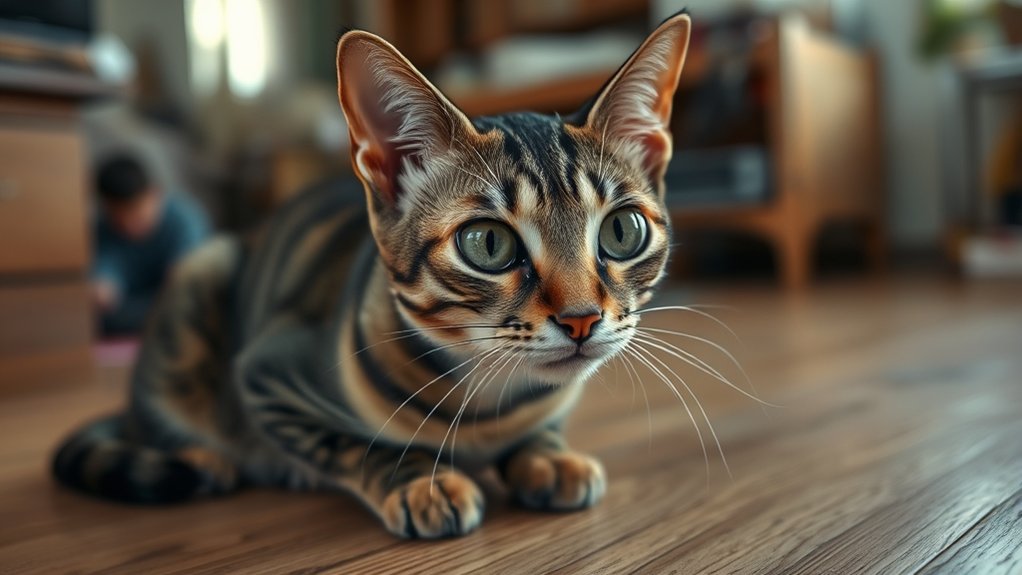
You might notice that some cats react strongly to sensory things like loud noises or bright lights. It’s their way of showing sensory overload.
These cats often like having consistent routines and stable environments. Even small changes that don’t bother most people can feel overwhelming to them.
When you recognize these patterns, it’s easier to understand and support cats with autism-like sensory sensitivities.
Sensory Overload Responses
Because cats possess heightened sensory sensitivity, they often respond strongly to stimuli like loud noises, bright lights, or certain textures. These things can trigger stress or anxiety.
These sensory sensitivities may lead to sensory overload, causing cats to show specific behaviors like hiding, fleeing, or engaging in repetitive actions such as pacing or excessive grooming.
These repetitive behaviors act as coping mechanisms to manage stress.
Environmental changes can make anxiety worse, so it’s really important to keep a predictable environment to support your cat’s well-being.
By recognizing signs of sensory overload and accommodating your cat’s sensory needs, you can help reduce their stress and encourage healthier behavior.
Understanding these responses lets you better address your cat’s sensory sensitivities and improve their overall quality of life.
Routine And Environmental Sensitivity
Cats rely heavily on routine and environmental consistency to maintain a sense of security, much like individuals with autism who often prefer predictable patterns.
You’ll notice that environmental factors, such as loud noises or sudden changes, can trigger anxiety in cats with heightened sensory sensitivities. These sensitivities show up through behaviors like pacing or excessive grooming, which help them cope with stress.
To support your cat’s individual needs, it’s essential to provide a calm, predictable environment that minimizes sensory overload. Understanding these routine-dependent behaviors helps you spot when disruptions cause distress.
By respecting your cat’s sensory profile and keeping things stable, you promote their well-being and reduce anxiety. This way, your cat feels safe and able to manage their sensory sensitivities more effectively.
It all comes down to creating a space where they can thrive without unnecessary stress. Just a little consistency can make a big difference.
How Autism-Like Repetitive Behaviors Help Cats Regulate
While repetitive behaviors often raise concerns, they can function as essential self-regulation tools for cats managing stress or anxiety. When you observe a cat pacing or grooming excessively, these repetitive behaviors may serve to regulate sensory sensitivities and maintain emotional well-being.
Such actions provide predictability, helping neurodivergent cats cope with environmental fluctuations. Understanding individual differences in sensory processing is vital, as coping strategies vary widely among cats.
By recognizing these behaviors as adaptive, you can support your cat’s regulation mechanisms rather than suppress them. Environmental adjustments can further assist by minimizing sensory overload, allowing the cat to express these behaviors positively.
Ultimately, repetitive behaviors aren’t merely symptoms but integral tools cats use to manage their internal states effectively.
How Environment Affects Autism-Like Cat Behaviors
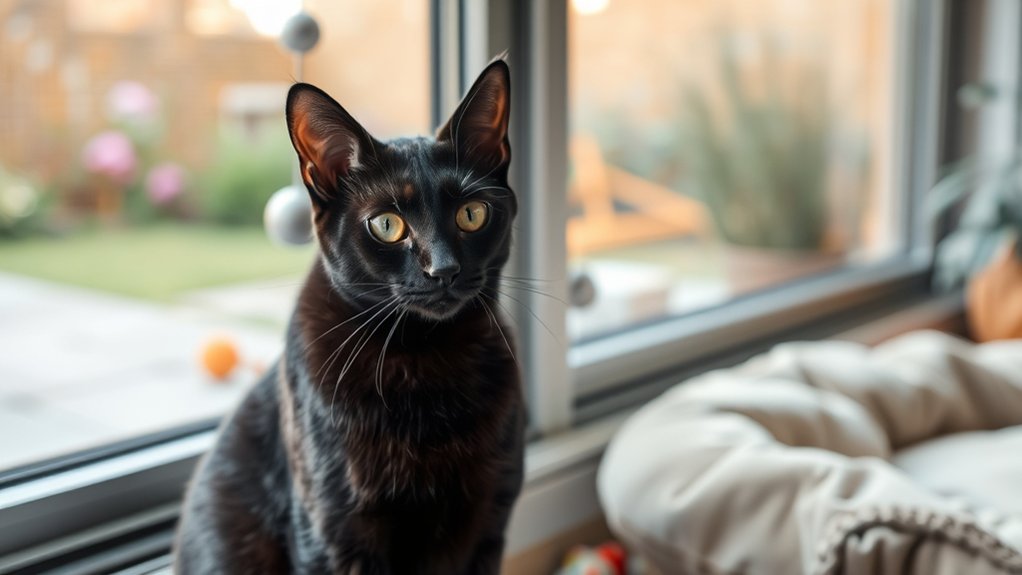
You’ll notice that sensory stimuli and sudden environmental changes can trigger stress in cats. This often leads to behaviors that look a lot like autism-like traits.
So, keeping a predictable routine is really helpful—it can reduce their anxiety and support their overall well-being.
By paying attention to how your cat reacts to different settings, you’ll get a better sense of how the environment affects their behavior.
It’s all about tuning in and making small adjustments to help them feel more comfortable.
Sensory Impact On Behavior
Because sensory sensitivities influence behavior profoundly, understanding how environmental factors affect cats exhibiting autism-like traits is vital.
Cats with altered sensory processing often experience stress and anxiety when exposed to chaotic environments. These environmental factors disrupt their behavior patterns, leading to repetitive behaviors such as pacing or excessive grooming.
These actions serve as self-regulation mechanisms to manage overwhelming stimuli. Providing a calm environment tailored to a cat’s sensory sensitivities can reduce distress and improve their quality of life.
By minimizing noise and unpredictable changes, you help stabilize behavior and promote well-being.
Recognizing and accommodating these sensory needs is essential for supporting cats prone to autism-like traits. This ensures they cope more effectively with their surroundings and exhibit fewer stress-induced behaviors.
It’s all about making their environment as comfortable as possible.
Routine And Predictability
When cats experience disruptions to their established routines, they often show signs of distress that resemble behaviors seen in neurodivergent individuals. You’ll notice that maintaining routine and predictability is vital for their well-being. Environmental factors such as structured environments and safe spaces reduce anxiety and distress linked to sensory sensitivities.
By providing consistency, you help minimize autism-like behaviors and support emotional stability.
| Aspect | Effect on Cat Behavior | Recommended Approach |
|---|---|---|
| Routine | Reduces anxiety | Keep feeding/play times consistent |
| Predictability | Lowers distress | Avoid sudden changes |
| Environmental factors | Influence sensory sensitivities | Maintain low sensory input |
| Safe spaces | Promote security | Provide quiet resting areas |
| Structured environments | Support well-being | Use scheduled activities |
Stress And Environmental Changes
Maintaining routine and predictability helps reduce anxiety in cats. But even slight environmental changes can trigger significant stress responses. These changes often lead to behaviors resembling autism-like traits, such as withdrawal or repetitive actions.
Your cat’s sensory sensitivities amplify their reactions to loud noises or bright lights, which increases their distress. To support their overall well-being, you should focus on creating a predictable environment that minimizes sudden disruptions.
Key things to keep in mind include consistent daily routines to reduce anxiety. Also, try to limit exposure to loud or unexpected sensory stimuli. Providing safe, quiet spaces where your cat can retreat is important too.
Introduce any environmental changes gradually.
And keep an eye on your cat’s behavior for signs of distress. Understanding these factors helps you manage stress effectively and improves your cat’s behavioral health.
Why Neurodivergent Cats Feel Familiar to Us
A cat exhibiting neurodivergent traits like sensory sensitivity and repetitive behaviors often feels familiar to neurodivergent individuals. These patterns resonate with their own experiences.
You may notice that a cat’s behavior, such as a strong preference for routine or selective social interactions, mirrors your need for predictability and controlled sensory input.
This familiarity fosters a unique understanding. It helps you recognize and accept the cat’s distinct sensory sensitivities. By observing these behavioral patterns, you build deeper connections rooted in shared neurodivergent experiences.
Recognizing neurodiversity in cats shows us that behavioral differences don’t require justification. Instead, they invite acceptance of varied emotional and sensory needs.
This perspective enriches your appreciation for the cat’s individuality and strengthens your empathetic bond.
How to Support Cats With Sensory and Behavioral Differences
Although supporting cats with sensory and behavioral differences requires tailored approaches, you can greatly improve their well-being by providing a structured environment with predictable routines. This reduces anxiety and helps your cat feel secure.
To effectively support your cat, consider the following:
- Maintain a consistent daily schedule to minimize anxiety related to sensory differences.
- Use interactive toys and climbing structures to stimulate natural instincts and reduce stress.
- Create cozy, quiet hiding spots where your cat can retreat when overwhelmed.
- Employ positive reinforcement to encourage desirable behavior and gently redirect unwanted actions.
- Schedule regular veterinary check-ups to identify and manage any medical issues influencing behavior.
With a little patience and understanding, your cat will feel safer and more comfortable in their environment.
Just keep things predictable and give them plenty of opportunities to express themselves naturally.
When to See a Vet About Your Cat’s Behavior
When should you consult a veterinarian about your cat’s behavior? You should talk to a vet if your cat shows sudden behavioral changes because these can signal underlying medical conditions or distress.
Consult a vet if your cat suddenly changes behavior, as it may indicate health issues or distress.
Some key signs to watch for include excessive grooming, pacing, social withdrawal, or being extra sensitive to sounds.
Changes in appetite, litter box habits, or aggression are also signs that something might be wrong. Getting an early veterinary evaluation helps figure out if the behavior is caused by environmental factors or if it’s rooted in medical issues.
To help with the assessment, keep a detailed record of your cat’s behaviors. Note how often they happen and in what context. This kind of documentation helps the vet spot patterns, which leads to a more precise diagnosis and the right treatment.
Seeing the vet promptly can prevent your cat’s distress from getting worse. It also helps address health problems quickly, which is really important for keeping your cat happy and healthy.
Frequently Asked Questions
Can Certain Cat Breeds Show More Autism-Like Behaviors?
Yes, certain cat breeds can display behaviors that seem autism-like due to their breed temperament and behavior genetics.
You’ll notice differences in socialization habits, sensory processing, and play styles that vary by breed.
Environmental factors, anxiety triggers, grooming rituals, vocalization patterns, and interaction preferences also influence these traits.
Understanding these elements helps you differentiate between breed-specific behaviors and individual personality.
This way, you can get a precise interpretation of your cat’s unique behavioral profile.
Do Kittens Display Autism-Like Behaviors Differently Than Adult Cats?
You’ll notice kittens display autism-like behaviors differently than adult cats due to their evolving play patterns and interaction styles.
Early kitten socialization and environmental enrichment shape their attachment behaviors and stress responses.
Behavioral observation reveals that sensory overload may cause vocalization differences and altered grooming habits.
Unlike adults, kittens are more adaptable but less routine-driven.
That’s why it’s essential to monitor these traits carefully as they mature for an accurate assessment.
How Do Diet and Nutrition Impact Autism-Like Behaviors in Cats?
Dietary influences can affect autism-like behavioral changes in cats by addressing nutrient deficiencies, especially omega fatty acids, which support brain function.
Irregular feeding schedules or food allergies may worsen sensory processing issues and anxiety.
Keeping your cat properly hydrated and maintaining good gut health is essential because imbalances can trigger atypical behaviors.
Incorporating enrichment activities alongside balanced nutrition helps reduce stress and promotes calmer behaviors.
It’s always a good idea to consult your vet to optimize your cat’s diet for managing these symptoms effectively.
That way, you can tailor their nutrition to what they need most.
Are There Specific Toys That Help Cats With Sensory Sensitivities?
Just like a carefully crafted symphony soothes a sensitive soul, sensory toys help cats with sensitivities thrive.
You should choose interactive play items featuring textured surfaces and motion toys that mimic natural behaviors. Puzzle feeders promote mental engagement, while catnip effects and scent trails provide calming stimulation.
Soft sound stimulation and visual enrichment support their sensory needs.
Always pair toys with safe spaces to create a balanced environment tailored for your cat’s unique sensitivities.
It’s all about finding what clicks with your cat and making playtime both fun and comforting.
Can Therapy or Training Reduce Autism-Like Behaviors in Cats?
Yes, therapy and training can reduce autism-like behaviors in cats.
You’ll use behavior modification with positive reinforcement and socialization techniques to encourage calm interactions. Environmental enrichment and sensory stimulation through varied toys and interactive feeding help alleviate stress and boredom.
Routine establishment and play therapy promote stability. Calming products also assist in stress reduction.
Together, these strategies create a supportive environment that improves your cat’s overall well-being.
Conclusion
While cats can’t be clinically diagnosed with autism, many display behaviors that resemble autism-like traits, such as sensory sensitivities and repetitive actions. Understanding these behaviors helps you better support your cat’s unique needs.
Remember, environmental factors play a big role, and subtle differences don’t mean something’s wrong. If you notice drastic changes or distress, consult a vet promptly.
Embracing your cat’s individuality fosters a stronger, more compassionate bond.