Why Do Cats Drool – Causes And Meaning
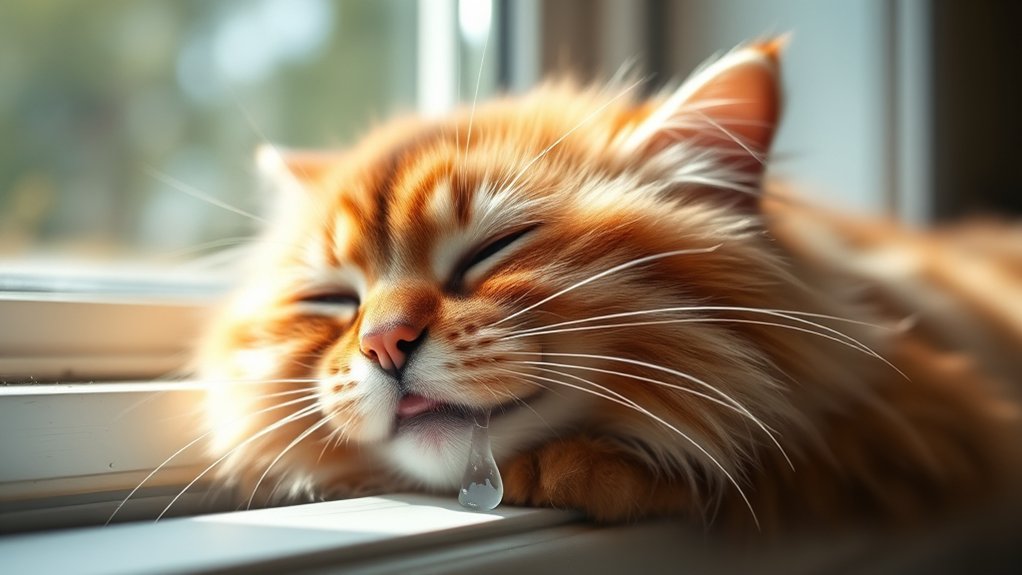
Cats drool for several reasons, and it’s often a sign of how they’re feeling or what’s going on health-wise. If your cat drools when relaxed, it usually signals comfort and trust.
But drooling can also happen because of stress, dental problems, nausea, or mouth injuries. Sometimes, more serious health issues like toxin exposure or neurological disorders might be involved.
Knowing the different causes can help you take better care of your feline friend. It also helps you figure out when it’s time to see a vet.
What Is Normal Cat Drooling?
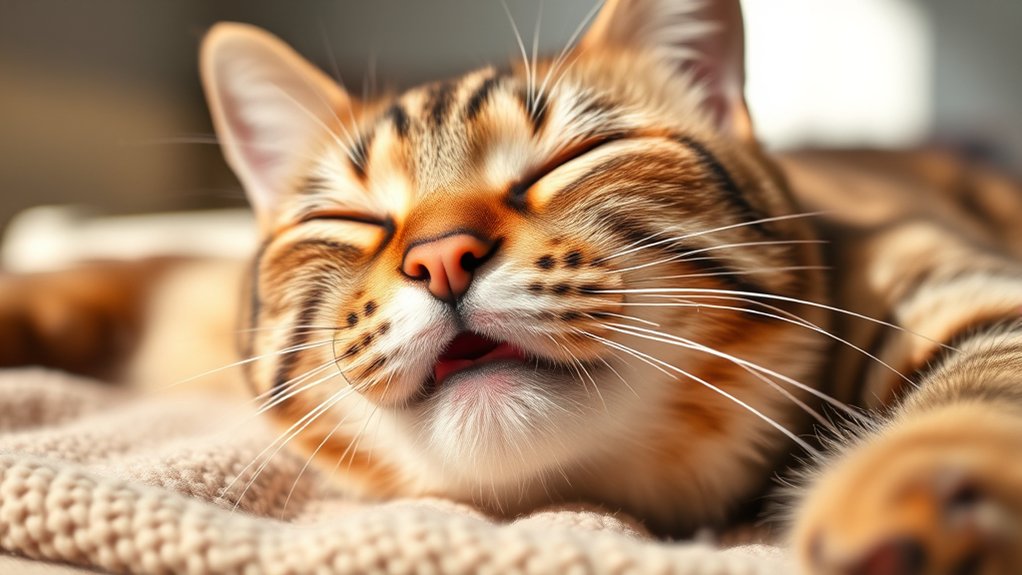
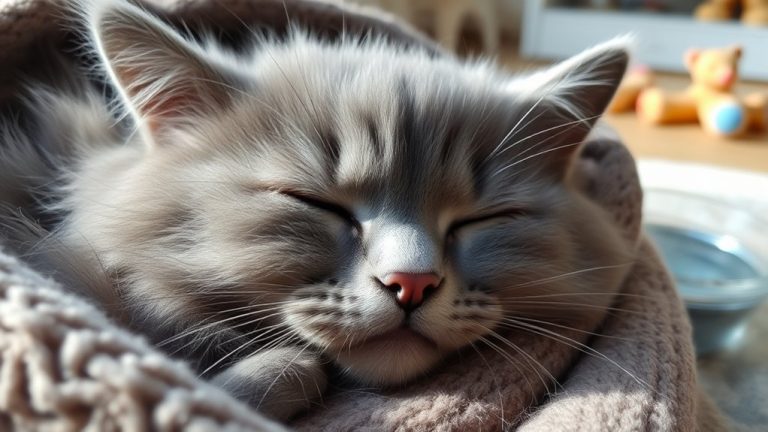
While it might surprise you, cats often drool when they feel safe and content, especially during petting or purring sessions. This kind of drooling is normal and usually harmless.
You might notice occasional drooling linked to behaviors from kittenhood, like kneading, something connected to nursing comfort.
Sometimes, your cat may drool a bit when they catch an enticing food smell, though this is less common than in dogs.
It’s important to recognize that small amounts of drooling in relaxed cats don’t signal health problems. However, if drooling increases or occurs alongside other symptoms, it’s wise to consult a vet.
Understanding what normal drooling looks like helps you differentiate between your cat’s relaxed state and potential health concerns.
Why Do Cats Drool When Relaxed or Happy?
You might notice your cat starting to drool when they’re completely relaxed or happy, like during a gentle petting session or while kneading in your lap.
This drooling is a normal way cats show contentment. It’s often linked to the release of endorphins that make them feel safe and loved.
It’s a comforting behavior that goes back to kittenhood, reminding them of nursing and feeling secure. Mild drooling during these moments is harmless and actually a positive sign.
Here’s when cats typically drool because they’re happy or relaxed:
- While purring softly in your lap
- During slow, gentle petting
- When kneading with their paws
- In anticipation of a favorite treat
- When cuddling closely with you
This drooling shows your cat’s deep comfort and trust in you.
How Does Stress and Anxiety Cause Cat Drooling?
You might notice your cat drooling when they’re stressed out, like during vet visits or car rides. It’s pretty common because anxiety can actually make them produce more saliva.
See, these kinds of stressful situations kick their body’s stress response into gear. That’s why you might see drooling along with other signs that your kitty isn’t feeling great.
Knowing what sets off this reaction can really help you figure out when your cat needs some extra comfort or maybe even a trip to the vet.
Stress-Induced Saliva Increase
Because stress and anxiety activate your cat’s nervous system, they can trigger increased saliva production, leading to drooling. This physiological response often arises when your cat feels fear or discomfort, causing excessive drooling.
You might notice this reaction during stressful events such as car rides, vet visits, or environmental changes.
Signs to watch for include excessive drooling beyond normal levels, hiding or avoiding interaction, vocalizing more than usual, refusing to eat or drink, and restlessness or pacing.
Recognizing stress-induced drooling is essential. It signals anxiety that may require behavioral intervention or a visit to the veterinarian.
Anxiety-Related Drooling Triggers
Although drooling might seem like a minor issue, stress and anxiety can greatly impact your cat’s salivation. Anxiety-related drooling often occurs during stressful events like vet visits, car rides, or loud noises. When your cat drools in these situations, it’s their body’s natural response to stress, triggered by hormone release.
You might also notice drooling if your cat feels confined or restrained.
While occasional anxiety-related drooling is common, it’s important to monitor behavior closely. Distinguishing between drooling caused by stress and drooling linked to health issues can help you decide when veterinary care is needed.
By understanding these triggers, you can better support your cat’s emotional well-being and reduce stress-induced drooling episodes effectively.
It’s all about knowing what sets them off and being ready to help. That way, your cat stays calmer and happier overall.
Environmental Stressors Impact
When your cat encounters environmental stressors like loud noises or sudden changes in routine, their body often responds by producing excess saliva, leading to drooling. This drooling in cats is a physical sign of anxiety triggered by potential causes such as car rides, vet visits, or unfamiliar environments.
Stress-induced drooling usually comes with restlessness or pacing, hiding or withdrawal, decreased appetite, vocalization or agitation, and excessive grooming.
While this drooling often subsides once the stressor is removed, persistent or severe drooling alongside other symptoms warrants a veterinary evaluation.
By recognizing and minimizing environmental stressors, you can help reduce your cat’s anxiety and improve their overall comfort.
Understanding these triggers is key to supporting your cat’s well-being and preventing unnecessary distress.
What Dental Problems Cause Cat Drooling?
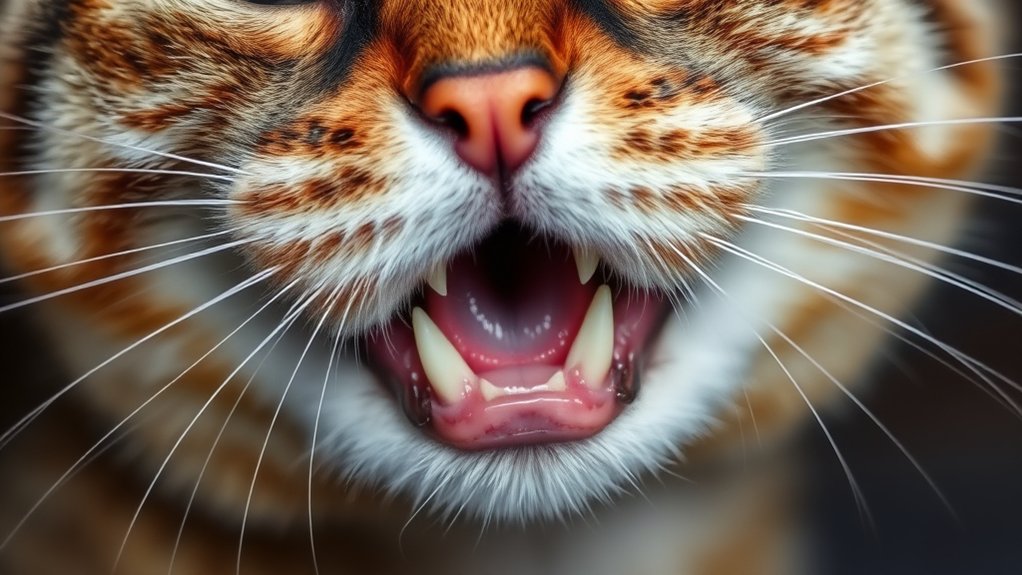
If your cat starts drooling excessively, dental problems are often the first thing you should consider. Issues like periodontal disease and oral injuries can cause significant pain, which leads to more saliva production.
Tooth abscesses and resorptive lesions also add to the discomfort. This makes your cat drool as a natural response. It’s important to address these dental problems quickly to avoid long-term issues.
| Dental Problem | Effect on Drooling |
|---|---|
| Periodontal Disease | Inflammation, pain, excess saliva |
| Oral Injuries | Pain, irritation, drooling |
| Tooth Abscesses | Severe discomfort, increased drooling |
Regular dental check-ups are key. They help catch these problems early so your cat can stay comfortable and drool-free.
How Do Nausea and Digestive Issues Lead to Drooling?
When your cat feels nauseous, their body often responds by producing extra saliva, which leads to drooling.
It’s kind of like when we feel queasy and our mouths water more than usual.
Digestive issues like hairballs or infections can upset their stomach and trigger this reaction.
Sometimes, this comes with vomiting too, which can be pretty uncomfortable for your furry friend.
So, if you notice your cat drooling along with these other signs, it’s a good idea to get them checked out by a vet.
That way, you can make sure whatever’s causing the problem gets taken care of quickly.
Nausea-Induced Saliva Production
Because nausea triggers discomfort and irritation in a cat’s stomach, your feline may start drooling excessively as a natural response. This excessive saliva production often signals nausea caused by factors like hairballs, dietary changes, or gastrointestinal conditions.
You might notice your cat showing other signs alongside drooling, such as vomiting or loss of appetite.
Motion sickness during travel can also lead to nausea-induced drooling, with your cat appearing restless or distressed.
Recognizing these symptoms is important because they could point to underlying health issues needing veterinary care.
- Excessive saliva as a response to stomach irritation
- Vomiting or appetite loss accompanying drooling
- Hairballs or diet shifts triggering nausea
- Motion sickness causing restlessness and drooling
- Importance of timely veterinary care for diagnosis and treatment
Gastrointestinal Upset Effects
Although it might seem puzzling, your cat’s drooling often signals underlying gastrointestinal upset caused by nausea or digestive issues. Nausea in cats triggers excessive drooling as a natural response to gastrointestinal distress. Conditions like hairballs or sudden dietary changes affect digestive health, leading to increased saliva production.
When your cat experiences poor appetite or discomfort, drooling may accompany behaviors such as hiding or restlessness. These signs can help you recognize when your cat is feeling unwell or uneasy. Keeping an eye on these behaviors helps you understand your cat’s digestive health better.
If you notice persistent excessive drooling combined with poor appetite or other symptoms, it’s important to consult your veterinarian promptly. Catching these gastrointestinal issues early can relieve your cat’s discomfort and improve their overall well-being.
Don’t hesitate to get professional advice if something seems off.
Vomiting And Drooling Link
Nausea and digestive issues often trigger drooling in cats by increasing saliva production as the body reacts to discomfort.
When your cat feels nauseous due to gastrointestinal problems, their body ramps up saliva to protect the throat and aid digestion. Vomiting makes this worse by irritating the mouth, which causes even more drooling.
You might notice excessive drooling alongside signs like hairballs causing nausea, sudden dietary changes, gastrointestinal infections, gastritis or obstructions, and loss of appetite paired with vomiting.
If your cat is drooling and vomiting, it’s important to seek veterinary advice promptly. These symptoms can signal serious underlying issues that need professional care to keep your pet comfortable and healthy.
Can Toxins and Foreign Objects Cause Excessive Drooling?
How can toxins and foreign objects lead to excessive drooling in your cat?
Exposure to household toxins, like certain plants or chemicals, can irritate your cat’s mouth. This irritation causes distress and increased saliva production.
Similarly, foreign objects such as strings or small toys lodged in your cat’s mouth or throat trigger discomfort. That discomfort often results in excessive drooling.
Cats are naturally curious, so they’re prone to encountering these hazards. Because of that, keeping their environment safe is really important.
If your cat shows excessive drooling alongside vomiting, lethargy, or breathing difficulties, seek veterinary care immediately. Prompt attention matters since toxins or lodged objects can cause serious health issues.
Always monitor your cat closely to prevent toxin exposure and foreign object ingestion. Doing so helps avoid drooling and discomfort.
When Do Mouth Injuries and Oral Infections Cause Drooling?
When your cat suffers from mouth injuries or oral infections, you’ll often notice excessive drooling as their body tries to flush out irritants or soothe pain.
Excessive drooling in cats can signal mouth injuries or infections as their body attempts to relieve discomfort.
Mouth trauma like cuts or foreign objects can trigger this response, as can dental issues such as gingivitis or resorptive lesions.
Oral infections cause discomfort, prompting increased saliva production and behaviors like pawing at the mouth or avoiding hard food.
Alongside drooling, bad breath is a red flag. If you spot these signs, prompt veterinary evaluation is essential to prevent complications.
- Pawing at the mouth or face
- Avoidance of dry or hard food
- Persistent bad breath
- Visible cuts or swelling inside the mouth
- Excessive drooling lasting more than a day
What Serious Health Problems Cause Drooling in Cats?
Why might your cat start drooling excessively beyond common dental issues? Serious health problems like dental disease, toxin exposure, gastrointestinal problems, neurological disorders, and heatstroke can all cause drooling. Each condition requires prompt attention to guarantee your cat’s well-being.
| Cause | What to Watch For |
|---|---|
| Dental Disease | Bad breath, swollen gums, pain |
| Toxin Exposure | Excessive drooling, vomiting, lethargy |
| Gastrointestinal Issues | Nausea, vomiting, loss of appetite |
Neurological disorders may impair swallowing, causing drooling, while heatstroke manifests with heavy panting and drooling. This demands immediate veterinary care. Understanding these signs helps you act quickly to protect your cat’s health.
When Should You Worry About Your Cat’s Drooling?
What signs should prompt you to seek veterinary care for your cat’s drooling?
If your cat is drooling excessively without obvious reasons like contentment or eating, it’s important to look into the causes. Drooling can be a sign of illness, so don’t ignore it.
Unusual drooling combined with changes in behavior often points to health issues that need quick attention.
You should definitely get veterinary help if your cat shows:
- Persistent drooling unrelated to food or relaxation
- Loss of appetite or vomiting alongside drooling
- Lethargy, hiding, or other behavioral shifts
- Difficulty breathing or suspected toxin exposure
- Sudden onset of heavy drooling
Catching these signs early helps you address serious problems and keeps your cat healthy and comfortable.
How to Support Your Cat’s Oral Health and Prevent Drooling
Supporting your cat’s oral health involves several key steps you can take at home and with your vet’s help. Regular dental checkups with your veterinarian are essential for early detection of issues that could cause excessive drooling.
At home, daily brushing or using dental rinses helps maintain oral health by preventing plaque buildup. Providing safe chew toys and specialized dental treats further supports healthy teeth and gums.
You should also keep your cat’s environment clean and free from harmful objects that might cause oral injuries. Finally, routine wellness visits allow your veterinarian to monitor overall health, addressing any concerns promptly.
Frequently Asked Questions
Can Certain Cat Breeds Be More Prone to Drooling?
Yes, certain cat breeds are more prone to drooling because of their breed characteristics and genetic makeup.
For example, brachycephalic breeds often have dental issues that can increase drooling.
Spaying can sometimes influence hormonal balance, which may affect saliva production.
Stress also plays a role; more anxious breeds tend to drool when they’re stressed.
Environmental factors like comfort and relaxation can trigger drooling too.
Getting to know your cat’s unique traits will help you care for them better.
Does Age Affect How Much a Cat Drools?
Age factors play a big role in drooling triggers, like a river changing course over time.
Young cats might drool from excitement or nursing, while older cats often drool due to dental health issues or stress responses.
Health conditions such as kidney or liver disease can also increase salivation in seniors.
You should watch for sudden changes, since drooling can signal trouble regardless of your cat’s age.
Can Diet Influence a Cat’s Drooling Habits?
Yes, diet types can definitely influence your cat’s drooling habits. Wet food boosts hydration levels, increasing saliva production, while dry, abrasive foods might irritate their mouth, affecting oral health.
Food allergies can also trigger excessive drooling.
Plus, sudden diet changes might cause stress factors, leading to nausea and drooling.
You should monitor their diet carefully and maintain good dental care to keep drooling within a healthy range. Just paying attention to what your cat eats can make a big difference!
Is Drooling Contagious Between Cats?
No, drooling isn’t contagious between cats. Drooling triggers like stress factors, health conditions, or poor oral hygiene affect each cat individually.
You might notice behavioral signs like excessive salivation if a cat is uncomfortable or ill, but the drool itself doesn’t spread.
Keep an eye on their environment and maintain regular vet visits to manage health conditions early.
Understanding these signs helps you support each cat’s well-being effectively.
Just remember, each cat is different, so paying attention to their unique needs is key.
How Can I Clean My Cat’s Mouth Safely at Home?
Cleaning your cat’s mouth safely at home isn’t rocket science! Use a soft, damp cloth or pet-safe dental wipe to gently remove saliva and food debris.
Start slowly and let your cat get used to these grooming techniques. Don’t forget to reward them with treats to make it a positive experience.
Avoid human toothpaste. Stick to cat dental care products for safe cleaning methods.
These oral hygiene tips help manage drooling remedies and keep your feline happy and healthy without stress or discomfort.
Conclusion
Did you know that up to 40% of cats experience drooling due to dental issues? While occasional drooling can be normal, it’s smart to watch for signs of stress, illness, or oral problems. By staying attentive and supporting your cat’s oral health, you can help prevent discomfort and serious issues.
If drooling seems excessive or unusual, don’t hesitate to consult your vet. Your cat’s comfort and well-being depend on it.