Can Cats Get Parvo – Symptoms And Prevention
Yes, cats can get parvo, specifically feline panleukopenia. It’s a highly contagious virus that causes severe vomiting, bloody diarrhea, dehydration, and lethargy. Kittens aged 3 to 5 months are especially vulnerable because their maternal antibodies start to fade.
You can prevent infection through timely vaccinations starting at six weeks. Keeping strict hygiene and isolating new or unvaccinated cats in multi-cat homes also helps a lot. Recognizing symptoms early and understanding how it spreads are important to protect your cat’s health.
There are more details about diagnosis, treatment, and recovery steps that you should know. Being informed really makes a difference in keeping your cat safe and healthy.
What Is Parvovirus and How It Affects Cats
Although many people associate parvovirus with dogs, cats can also get a similar and equally serious disease called feline panleukopenia. This virus is highly contagious and attacks the intestinal cells, causing severe gastrointestinal problems.
Feline panleukopenia is a serious, highly contagious virus that targets cats’ intestinal cells, causing severe illness.
You might notice symptoms like vomiting, bloody diarrhea, lethargy, dehydration, and loss of appetite, which can get worse quickly.
Kittens between 3 to 5 months old are especially vulnerable because their maternal antibodies start to decline. That’s why getting them vaccinated from as early as 6 weeks old is super important.
The virus spreads through feces, urine, and nasal secretions, and it can survive in the environment for a long time.
There’s no specific antiviral treatment for this disease, so your cat’s recovery depends on quick supportive care. This includes keeping them hydrated and making sure they get enough nutrition.
The best way to protect your cat is by strengthening their immune system through vaccination.
How Cats Catch Feline Parvovirus?
Feline parvovirus spreads primarily through direct contact with the bodily fluids of infected cats, such as feces, urine, and nasal secretions. You can understand the transmission pathways as follows:
- Close contact with infected cats allows the virus to pass easily through bodily fluids, increasing infection risk.
- Contaminated items like bedding, food bowls, and litter boxes can harbor the virus for months, making indirect transmission possible.
- Fleas from infected cats also contribute to spreading the virus among cats.
Kittens lose maternal antibodies during weaning, so vaccination is essential to prevent symptoms. Without vaccination, both kittens and adult cats remain vulnerable to feline parvovirus transmission.
Recognizing these transmission routes helps you put effective prevention strategies in place and protect your cats from infection.
Why Are Kittens More Vulnerable to Parvo?
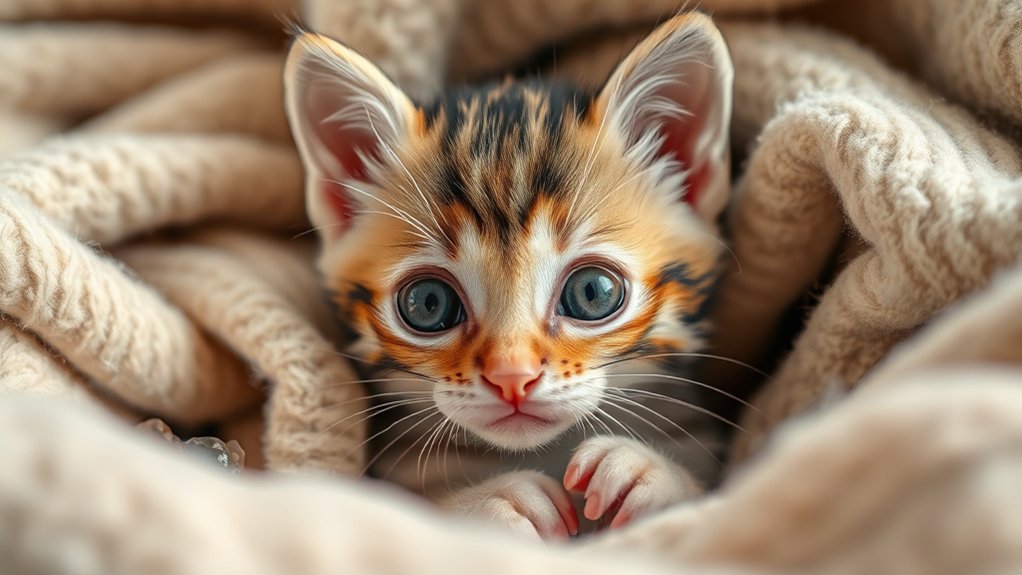
Because kittens lose the protective maternal antibodies after weaning, they become highly susceptible to parvovirus between 4 to 12 weeks of age. During this period, their immature immune systems lack adequate protection, increasing the risk of severe complications.
Vaccination, starting at 6 weeks, is essential to build immunity and reduce vulnerability.
| Factor | Impact on Vulnerability |
|---|---|
| Maternal Antibodies | Decline post-weaning reduces protection |
| Immune System Status | Immature, less capable of fighting virus |
| Vaccination Timing | Early vaccination vital for protection |
Understanding these factors helps you minimize the risk of parvovirus infection in kittens by ensuring timely vaccination and monitoring during their most vulnerable stage. It’s really about staying proactive and keeping a close eye on your little furball during this critical time.
Common Parvovirus Symptoms in Cats
Parvovirus in cats shows up through several clear symptoms that point to serious illness. Catching these signs early can make a big difference for your cat’s chances of survival.
Common parvovirus symptoms include vomiting and bloody diarrhea, often with frothing at the mouth. This quickly leads to severe dehydration.
Your cat may also become very lethargic and weak, making them less active and more likely to collapse. They might lose their appetite and develop a fever. The fever can start off high but might drop as the disease gets worse.
There are other signs too, like watery nasal discharge and sudden death, especially in kittens. These highlight just how important early detection is.
If you notice any of these symptoms, getting your cat to the vet right away is critical to help manage this serious infection.
How Vets Diagnose Parvo in Cats
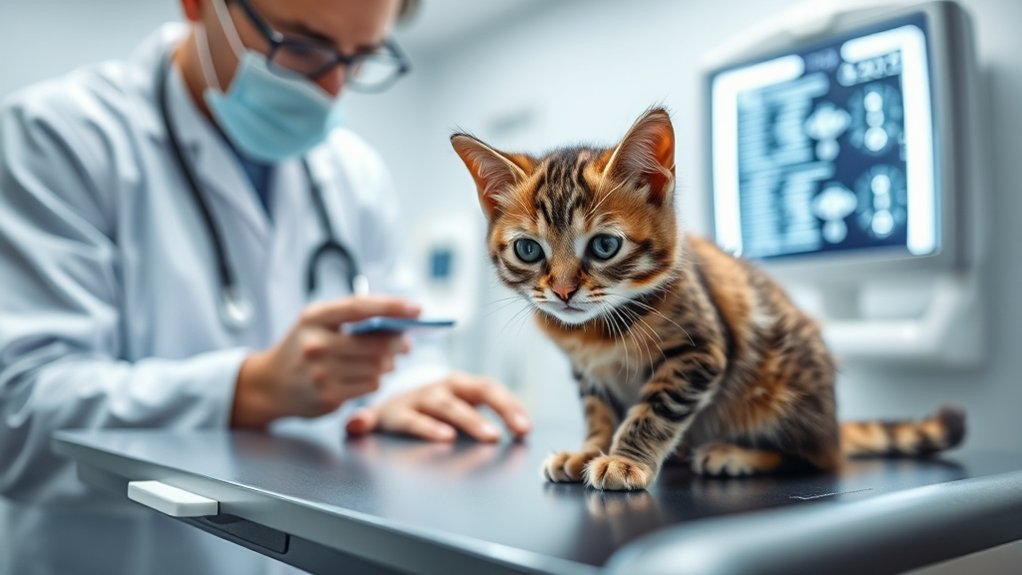
Recognizing the symptoms of parvovirus is only the first step. Confirming the diagnosis requires a careful approach. Your vet will assess clinical signs, review vaccination history, and gather a detailed medical history.
Blood tests measuring white blood cells help identify pancytopenia, which is a key parvovirus indicator. Fecal tests detect viral presence in stool, aiding rapid diagnosis. Early intervention hinges on swift and accurate confirmation because symptoms may overlap with other diseases.
| Diagnostic Method | Purpose | Importance |
|---|---|---|
| Clinical Signs | Initial symptom evaluation | Guides further testing |
| Vaccination History | Determines immunity status | Assesses risk level |
| Blood Tests | Measures white blood cells | Identifies pancytopenia |
| Fecal Tests | Detects virus in stool | Confirms infection |
Treatment Options for Cats With Parvovirus
While there’s no cure for feline parvovirus, veterinarians focus on supportive care to manage symptoms and maintain hydration and nutrition.
Though incurable, feline parvovirus is managed through supportive care to sustain hydration and nutrition.
Early intervention is essential, especially for kittens. Prompt veterinary care greatly improves the prognosis.
Treatment options include:
- Hydration: Intravenous fluids replace fluids lost through vomiting and diarrhea. This helps stabilize the cat’s condition.
- Antibiotics: These prevent or treat secondary infections that can develop due to immune suppression caused by the virus.
- Symptom management: Supportive care addresses nausea, pain, and nutritional needs to enhance recovery chances.
You must seek veterinary care immediately if your cat shows parvovirus signs.
Early treatment significantly increases survival rates and helps avoid complications.
How Vaccination Protects Cats From Parvovirus
At first, kittens are protected by antibodies they get from their mother. But these antibodies start to disappear around 6 to 8 weeks of age.
That’s why getting them vaccinated is so important.
Sticking to the vaccination schedule helps your cat develop strong immunity against parvovirus.
And it’s not just a one-time thing—regular booster shots keep that protection going for life.
This way, your cat is much less likely to get sick, or if they do, the illness won’t be as severe.
Maternal Antibody Protection
Because kittens receive maternal antibodies from their vaccinated mothers, they gain temporary immunity against parvovirus that protects them during the first few weeks of life. This maternal antibody protection is vital but diminishes as the kitten approaches weaning, increasing vulnerability to infection.
To guarantee ongoing protection, kitten vaccination must begin before maternal antibodies wane.
Here’s the thing: maternal antibodies provide early, temporary immunity but typically decline between 4 to 12 weeks. This decline creates a window when young kittens are more susceptible to infection.
That’s why initiating kitten vaccination during this period is essential. It helps build full immunity and safeguards against parvovirus.
Following a proper vaccination schedule doesn’t just protect individual kittens. It also helps prevent the spread of parvovirus in multi-cat environments.
Vaccination Schedule Importance
As maternal antibodies fade, kittens become increasingly vulnerable to feline parvovirus. That’s why timely vaccination is the most effective defense.
You need to follow a strict vaccination schedule, starting kitten vaccination between 6 to 8 weeks of age. Then, booster shots are given every 3 to 4 weeks until the kitten is 16 to 20 weeks old. This routine ensures ideal protection as maternal antibodies wane and the kitten’s immune system matures.
The core vaccine (FVRCP) targets parvovirus along with other serious diseases. It provides thorough preventive measures to keep your kitten safe.
Unvaccinated cats, especially those under one year, face a much higher risk of infection and severe symptoms.
So, sticking to this vaccination schedule is critical for safeguarding your cat’s health and helping reduce parvovirus outbreaks.
Preventive care through vaccination really is the cornerstone of effective feline parvovirus control. It’s the best way to keep your furry friend protected.
Boosters And Long-Term Immunity
Although initial kitten vaccinations lay the foundation for protection against feline parvovirus, booster shots play an essential role in maintaining long-term immunity. Vaccination schedules begin early, but immunity can wane without timely boosters.
To guarantee ongoing protection, focus on:
- Receiving booster shots for adult cats to sustain immunity against feline parvovirus and other diseases covered by core vaccines.
- Scheduling regular veterinary check-ups to assess immunity levels and update vaccinations as needed.
- Prioritizing boosters in high-risk environments where infection severity and exposure likelihood increase.
Booster shots not only prolong immunity but also greatly reduce infection severity if exposure occurs.
Cleaning and Hygiene to Prevent Parvo
When you want to prevent the spread of parvovirus among cats, maintaining strict cleaning and hygiene protocols is essential. Regularly disinfect surfaces and items that cats contact, using a bleach solution diluted at a 1:32 ratio, to sanitize cages, bedding, litter boxes, and food dishes. This effectively inactivates the virus, which can survive for months in the environment.
Always wash and sanitize your hands after handling cats to reduce transmission risk. Isolate new cats for at least two weeks to monitor symptoms and prevent potential spread.
Moreover, clean and vacuum areas cats frequent, as the virus can be transported indirectly on shoes or clothing. Adhering to these cleaning and hygiene measures is vital for effective parvovirus prevention and minimizing transmission risks. It really makes a difference when you stay consistent with these steps.
Preventing Parvo Spread in Multi-Cat Homes
Since feline parvovirus (FPV) spreads easily in multi-cat environments, you need to take specific precautions to minimize transmission risks. Effective prevention in multi-cat homes depends on following strict protocols.
First, make sure all cats are vaccinated. Vaccination greatly reduces FPV transmission and improves survival chances if a cat does get infected.
Next, isolate any new or unvaccinated cats for at least two weeks before introducing them to the others. It’s also important to regularly disinfect shared areas since the virus can survive for a long time on surfaces.
Keep a close eye on every cat for symptoms like vomiting, diarrhea, and lethargy. Catching these signs early means you can get prompt treatment, which helps limit the spread and improves each cat’s chances of recovery.
Also, try to minimize stress by not overcrowding cats in confined spaces. Stress makes cats more susceptible to infection and increases the risk of spreading the virus.
Following these steps will really strengthen your prevention strategy against parvovirus in multi-cat households.
Parvo Recovery and Prognosis for Cats
You’ll need to act quickly because getting treatment within the first four days after symptoms start really boosts your cat’s chances of making it through.
Recovery can depend on a few things, like how old your cat is, whether they’re well hydrated, and if they’ve picked up any secondary infections.
Knowing what the typical recovery timeline looks like can help you keep an eye on how your cat is doing and make sure you get veterinary help when it’s needed.
Recovery Timeline
Although feline parvovirus (FPV) poses a serious threat, recovery usually starts within 3 to 5 days after supportive treatment begins.
Earlier intervention really helps improve outcomes.
Parvo symptoms often mean your cat will need to be hospitalized for hydration and nutritional support. This care is vital to reduce mortality, especially in kittens.
- Initial recovery focuses on stabilizing hydration and electrolyte balance through intravenous fluids.
- Continued supportive treatment targets symptom management and prevents secondary infections.
- Full recovery may take several weeks, with regular veterinary follow-ups needed to monitor health and prevent relapse.
You must prioritize prevention through vaccination and prompt veterinary care.
Older cats generally recover better, but intensive hospitalization is still essential for severe cases to boost prognosis and survival chances.
Survival Factors
When kittens contract parvovirus, their chances of survival drop dramatically, especially without prompt treatment. Mortality rates can reach up to 90% in untreated cases. So, getting early veterinary care within the first four days is really important to improve their chances.
Supportive care like hydration and nutrition plays a big role since there’s no direct cure for the virus. Also, secondary infections often pop up because the immune system gets compromised. That means careful monitoring and sometimes antibiotics might be necessary.
Adult cats tend to do better because their immune systems are stronger.
| Factor | Impact on Survival Rate |
|---|---|
| Early Veterinary Care | Considerably improves prognosis |
| Supportive Hydration | Essential for recovery |
| Immune System Status | Key to fighting infection |
| Secondary Infections | Can worsen outcomes without care |
Prevention is definitely the best way to keep kittens safe from parvovirus.
Frequently Asked Questions
Can Adult Cats Get Parvovirus or Only Kittens?
Yes, adult cats can get parvovirus, especially if they lack immunity from previous exposure or parvo vaccination.
Infection rates tend to be higher in unvaccinated cats and those exposed to contaminated environments.
You should watch for symptoms like lethargy and vomiting.
If you notice these signs, early veterinary advice is really important. Getting treatment sooner can improve your cat’s recovery time.
To keep your cat safe, preventive measures like vaccination and good hygiene are key.
These steps reduce the risk and help protect your cat from severe illness.
Is Parvovirus in Cats Contagious to Humans?
Think of parvovirus transmission routes as a locked gate. You can’t get through unless you’re the right key.
Parvovirus in cats isn’t contagious to humans, so there’s no need to worry about cross-species infection.
Focus on feline health concerns by recognizing feline parvovirus symptoms.
Practice strict cleaning protocols and understand how a cat’s immune response works.
It’s important to prioritize parvovirus vaccination and pet owner awareness to prevent infection.
While the virus can mutate and there are treatment options for parvovirus, the risk to humans remains nonexistent.
How Long Can Parvovirus Survive on Household Surfaces?
Parvo survival duration on household surface types can extend for several months, posing long term contamination risks.
Environmental factors like humidity and temperature affect virus transmission methods. To reduce infection risk zones, use disinfecting tips involving bleach or specialized veterinary agents, as common cleaning agents often lack surface treatment effectiveness.
Regular, thorough cleaning is essential. Following pet safety precautions minimizes transmission, protecting your animals and maintaining a safer environment.
Keeping these steps in mind helps you create a healthier space for everyone.
Are Certain Cat Breeds More Susceptible to Parvovirus?
Yes, breed vulnerability to parvovirus varies due to genetic factors and differences in immune response.
Young kittens are more susceptible because their immunity isn’t fully developed yet. Environmental factors and stress, like overcrowding, also play a big role in the risk.
Vaccination effectiveness is super important no matter the breed. Your cat’s lifestyle, any previous infections, and how well you care for them also affect how vulnerable they might be.
Mixed breeds often tend to be more resistant, but honestly, all cats benefit from proper vaccination and keeping stress levels low.
It’s really about the overall care more than just the breed.
Can Parvovirus in Cats Cause Long-Term Health Issues?
Yes, parvovirus in cats can cause long-term effects like a weakened immune response and behavioral changes.
During the recovery timeline, treatment options focus on supporting nutrition and managing stress-related triggers. Genetic factors and environmental impact also influence outcomes.
Vaccination importance can’t be overstated to prevent infection and reduce complications.
You should monitor your cat closely post-recovery to address any chronic issues promptly. That way, you can help maintain your cat’s overall health effectively.
Conclusion
You can protect your cat from parvo by understanding its risks and symptoms early on. Remember, kittens are especially vulnerable, so timely vaccination and rigorous hygiene are essential. Diagnosing parvo promptly helps improve outcomes, much like a telegram delivering urgent news swiftly.
Maintaining cleanliness and isolating infected cats in multi-cat homes further reduces spread. By staying vigilant and proactive, you guarantee your feline companion stays healthy and parvo-free.