How Long Can A Cat Live With Kidney Disease – Stages And Outlook
If your cat has kidney disease, their life expectancy depends on the disease stage. Early-stage cats can live several years with careful monitoring. Cats in stage two or three may have months to a couple of years with treatment.
Advanced stage four cats often survive just weeks without urgent care. Managing symptoms and providing proper diet, hydration, and veterinary support can improve quality of life. Understanding these stages helps you support your cat’s needs as the condition progresses.
Kidney Disease in Cats: What It Is and How It Develops

Kidney disease in cats, especially chronic kidney disease (CKD), gradually impairs your cat’s kidney function over time, often without obvious signs at first.
CKD is a progressive condition primarily affecting older cats. The kidneys lose their ability to filter waste products like BUN and creatinine from the blood.
Because early stages show few symptoms, many cats remain undiagnosed until significant kidney damage occurs. The International Renal Interest Society (IRIS) classifies CKD into stages to help guide treatment and monitor progression.
Early diagnosis, often through specialized tests like SDMA, is essential for managing CKD effectively.
Recognizing the disease early can slow kidney function decline, improve your cat’s quality of life, and provide a better prognosis despite the disease’s inevitable progression.
Understanding the Four Stages of Cat Kidney Disease
You’ll want to recognize that cat kidney disease moves through four stages. It starts with Stage One, where blood tests might still look normal.
As the disease progresses, each stage shows specific changes in blood markers. Along with that, survival times tend to get shorter in the later stages. The symptoms become more severe, too.
Knowing these stages can really help you manage your cat’s care better and set realistic expectations for what lies ahead.
Stage One Characteristics
Although cats in Stage One of Chronic Kidney Disease often show no obvious symptoms, early detection is essential for managing their health effectively. At this stage, kidney function remains within normal levels, with creatinine and blood urea nitrogen (BUN) readings still normal.
You may notice dilute urine, but clinical signs are generally absent. This makes regular veterinary check-ups really important.
The prognosis for cats diagnosed in stage one is favorable, especially when you commit to consistent monitoring and appropriate management.
The International Renal Interest Society (IRIS) emphasizes ongoing assessments to promptly address any subtle changes.
Progression Through Stages
Managing your cat’s health early on sets the stage for understanding how chronic kidney disease (CKD) progresses over time. As CKD moves through the stages of kidney disease, kidney function declines. This affects your cat’s survival and treatment options.
Here’s a quick look at the progression:
- Stage One: Normal creatinine and BUN levels; no symptoms; early monitoring is key.
- Stage Two: Mildly elevated markers; mild symptoms; average survival is about 1151 days with treatment.
- Stage Three: Moderate marker increase; multiple symptoms; average survival drops to around 679 days.
- Stage Four: Severely high markers; severe symptoms; average survival is near 35 days, requiring urgent care.
Understanding this progression helps you anticipate changes and make informed decisions about your cat’s care.
It’s all about staying ahead of the disease and giving your furry friend the best support possible.
Survival Rates By Stage
When your cat is diagnosed with kidney disease, understanding survival rates at each stage can help you make informed care decisions.
In stage one of CKD, cats show normal creatinine and BUN levels and can live several years with early monitoring and care.
Stage two features mildly elevated levels, with an average survival rate of about 1,151 days when treated properly.
By stage three, symptoms worsen as creatinine and BUN rise moderately, reducing average survival to roughly 679 days.
Stage four involves severe kidney dysfunction, and without treatment, survival drops drastically to around 35 days.
Overall, cats with chronic kidney disease have varied life expectancies, but early detection and management can extend average survival considerably, sometimes up to 8.5 years.
Understanding these stages of CKD helps you provide the best support for your cat. It’s all about catching it early and giving your furry friend the care they need.
Signs and Symptoms of Cat Kidney Disease
You might start to notice some early warning signs, like your cat drinking more water than usual or needing to go to the litter box more often. These can be clues that their kidneys aren’t working quite right.
Along with that, you might see changes in their behavior—maybe they seem more tired than normal or aren’t as interested in eating.
Sometimes, physical signs like losing weight or having bad breath show up too.
Catching these signs early can really make a difference, helping you get your cat the care they need and keeping them comfortable for longer.
Early Warning Signs
Although kidney disease in cats can develop silently, recognizing early warning signs is crucial for timely intervention. In the early stages, your cat may show subtle symptoms that signal declining kidney function. Pay close attention to changes in behavior and health, as catching these signs can make a significant difference.
Watch for these key indicators:
- Increased thirst and frequent urination due to the kidneys’ reduced ability to concentrate urine.
- Noticeable weight loss and decreased appetite caused by waste buildup affecting overall well-being.
- Nausea and occasional vomiting, signs of toxin accumulation in the bloodstream.
Regular veterinary check-ups are imperative since symptoms mightn’t be obvious until the disease has advanced. Being vigilant allows you to seek veterinary care promptly, improving your cat’s quality of life.
Behavioral Changes
As kidney disease progresses in your cat, you’ll likely notice distinct behavioral changes that signal declining health. Chronic kidney disease (CKD) often leads to lethargy. Your cat becomes less active and shows reduced interest in interacting with you or its environment.
Poor appetite is another common sign, and it can result in noticeable weight loss over time. These behavioral changes reflect a decline in your cat’s overall health as toxins build up and the kidneys struggle to function properly.
You might also observe unkempt grooming habits. This usually indicates discomfort or a lack of energy.
Recognizing these shifts early helps you seek timely veterinary care. That way, you can manage symptoms and improve your cat’s quality of life despite the challenges posed by CKD.
Physical Symptoms
Physical symptoms often provide the earliest clues that your cat’s kidneys are struggling. In cases of Chronic Kidney Disease (CKD), you might notice changes that signal worsening kidney function.
Early detection can make a significant difference in managing your cat’s health.
Watch for these key physical signs:
- Increased thirst and urination as the kidney loses its ability to concentrate urine
- Weight loss and reduced appetite reflecting metabolic disturbances
- Vomiting and nausea caused by toxin buildup in the bloodstream
- Bad breath, often called “uremic breath,” indicating advanced kidney dysfunction
Recognizing these symptoms early allows you to seek veterinary care promptly.
This can really improve your cat’s comfort and quality of life despite CKD.
Life Expectancy at Each Stage of Cat Kidney Disease
When your cat is diagnosed with kidney disease, understanding life expectancy at each stage can help you prepare and make informed decisions about their care.
Chronic Kidney Disease (CKD) is classified using IRIS staging, which assesses creatinine and blood urea nitrogen (BUN) levels to determine severity.
A cat with CKD in Stage One usually has normal BUN and creatinine, often living 8.5 years or more with monitoring.
Stage Two shows mild increases in these markers, with an average survival time of about 1151 days.
At Stage Three, moderate elevation shortens life expectancy to roughly 679 days.
Stage Four, with severely high BUN and creatinine, sadly offers only about 35 days without intervention.
Early diagnosis is key to improving survival time and quality of life for your cat.
Effective Treatments to Extend Life With Cat Kidney Disease

Although kidney disease in cats is progressive, you can take effective steps to extend your cat’s life and improve their comfort. Early intervention helps slow its progression and supports overall health.
Early intervention in feline kidney disease can extend life and enhance comfort.
Key effective treatments include:
Dietary management: Feeding a specialized diet low in protein, phosphorus, and sodium reduces kidney workload and delays damage.
Hydration support: Ensuring constant access to clean water and providing subcutaneous fluids maintains hydration, which is essential for kidney function.
Regular monitoring: Frequent veterinary visits and blood tests allow timely adjustments to treatment plans and track disease progression.
Palliative care options: Using appetite stimulants and anti-nausea medications enhances comfort during more advanced stages.
Supporting Your Cat’s Comfort in Advanced Kidney Disease
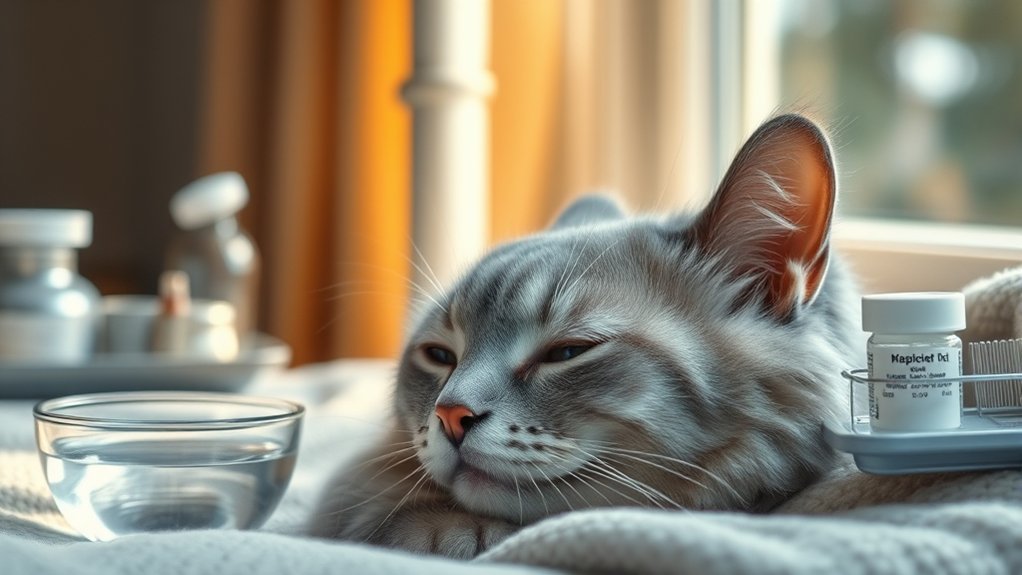
As your cat’s kidney disease progresses, prioritizing their comfort becomes crucial to maintaining their quality of life. In the advanced stages, create a warm, cozy resting area where your cat can relax easily, as lethargy often increases.
Encouraging hydration is essential. Offer fresh water constantly and include wet food to help ease symptoms.
Regular veterinary check-ups let you monitor their condition closely and adjust treatments as needed. Palliative care focuses on managing pain and discomfort. Medications can relieve nausea and stimulate appetite, improving daily comfort.
Pay attention to behavioral changes like reduced interaction or appetite loss. These signs guide you in making compassionate decisions.
Supporting your cat’s comfort guarantees dignity and ease during this challenging phase. It really makes a difference in how they experience their days.
Understanding Palliative and Hospice Care for Cats With Kidney Disease

Providing comfort for your cat with advanced kidney disease naturally leads to exploring palliative and hospice care options.
Palliative care focuses on easing symptoms and improving quality of life without curing the illness, while hospice care supports your cat during their final stage, prioritizing comfort and pain relief.
You’ll need regular veterinary consultations to adjust treatments as the disease progresses.
To guarantee your cat’s well-being, consider these key aspects:
- Provide constant access to fresh water to prevent dehydration
- Create a quiet, comfortable resting area free from stress
- Maintain familiar routines to reduce anxiety
- Monitor changes in behavior, appetite, and overall condition closely
Deciding When It’s Time to Euthanize Your Cat With CKD
How do you know when it’s time to contemplate euthanasia for your cat with chronic kidney disease (CKD)? Evaluating your cat’s quality of life is key.
Watch for changes in appetite, behavior, and interaction.
If symptoms like persistent vomiting, weight loss, and lethargy worsen despite treatment, it may signal significant suffering.
Regular veterinary check-ups help monitor these signs and guide you toward humane decisions.
In advanced CKD stages, survival without treatment averages about 35 days, so timely evaluation is essential.
When your cat’s quality of life no longer improves and pain persists, euthanasia becomes a compassionate option to prevent further distress.
Trust your observations and veterinary advice to choose what’s best for your beloved companion’s comfort and dignity.
Frequently Asked Questions
Can Diet Changes Prevent Kidney Disease in Healthy Cats?
Yes, diet changes can help prevent kidney disease in healthy cats. You should focus on low protein diets and guarantee proper hydration strategies by providing fresh water and wet food.
Incorporating dietary supplements like omega-3s supports nutritional balance and reduces inflammation.
Always seek veterinary advice to create a tailored plan, which might include prescription diets if needed. This proactive approach helps maintain kidney health and delays disease onset effectively.
It’s all about giving your cat the best chance to stay healthy for longer.
Are Certain Cat Breeds More Prone to Kidney Disease?
Yes, certain cat breeds show breed susceptibility to kidney disease due to genetic factors.
For example, Abyssinians and Siamese cats often inherit kidney issues, while Persians face risks from polycystic kidney disease.
Age impact is significant too. Older cats are more vulnerable.
You should also consider environmental influences and dietary considerations to support kidney health.
Regular health screenings help catch problems early. This gives your cat the best chance at managing kidney disease effectively.
How Does Hydration Affect Kidney Disease Progression in Cats?
Did you know proper hydration can slow chronic kidney disease progression by up to 30%? You need to focus on hydration techniques like providing multiple hydration sources and encouraging water intake through wet food.
Monitoring hydration is essential since good kidney function depends on fluid balance.
In advanced cases, fluid therapy such as subcutaneous fluids can make a big difference.
Staying proactive with hydration helps support your cat’s health and comfort. It’s all about keeping your furry friend feeling their best.
Can Kidney Disease in Cats Be Contagious?
No, kidney disease in cats isn’t contagious. You’ll want to watch for symptoms like increased thirst or urination, which can signal declining kidney function in your feline friend.
Chronic kidney disease usually comes from internal health issues, not from infections or things they pick up from their environment. So, it’s not something that spreads between cats.
Catching it early is super important, which is why regular vet visits really help.
Treatment focuses on managing symptoms and slowing down the disease, rather than trying to prevent it from spreading—because it just doesn’t.
What Home Remedies Help Support Cats With Kidney Disease?
Looking for effective home remedies to support your cat with kidney disease?
Why not try holistic approaches like dietary adjustments and vitamin therapy to ease their symptoms? Herbal supplements can also support kidney function, but always check with your vet first.
Stress reduction helps too. Calm environments improve health and make a big difference for your cat’s well-being.
Some owners find acupuncture helpful for pain and inflammation.
Combining these methods can naturally enhance your cat’s quality of life. It’s all about finding what works best for your furry friend.
Conclusion
You can manage your cat’s kidney disease by recognizing symptoms early, following treatment plans diligently, and providing comfort through every stage.
You can support your furry friend with love, patience, and appropriate care, making sure their quality of life stays as high as possible.
And when the time comes, you can make compassionate decisions that honor your cat’s dignity and your bond.
Understanding, care, and empathy will guide you through this journey together.