Can A Cat Have A Cold – Symptoms And Care Tips
Yes, your cat can catch a cold, usually caused by viruses like feline herpesvirus. Watch for sneezing, coughing, nasal discharge, watery eyes, and lethargy.
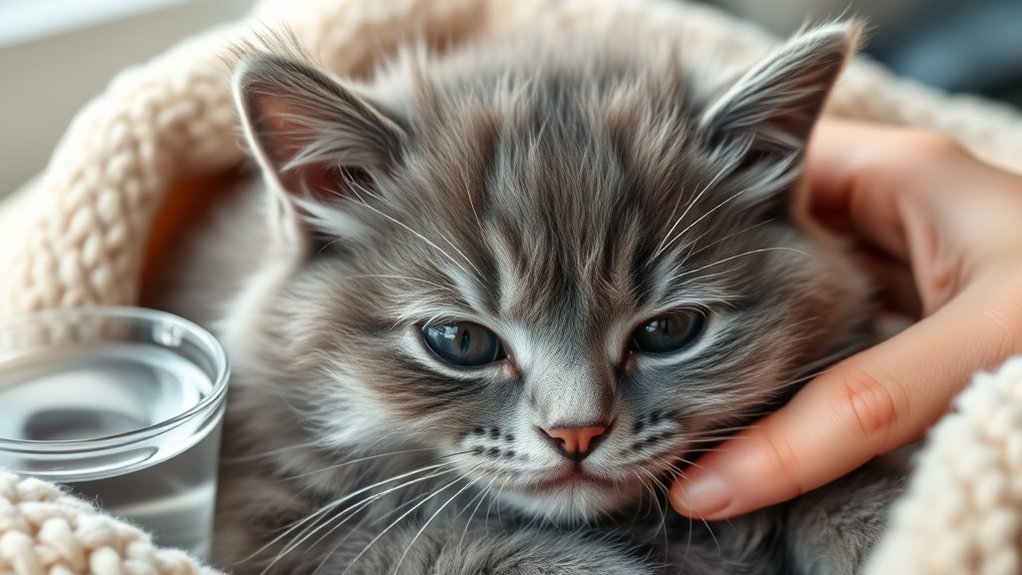
Offer warm, soft food and keep them comfortable with a humidifier. Gently clean their nose and eyes to help them feel better.
Keep an eye on their appetite and breathing. If symptoms get worse or last more than four days, see a vet. Understanding these steps helps you support your cat’s recovery and stay ahead of complications.
Causes of Cat Colds
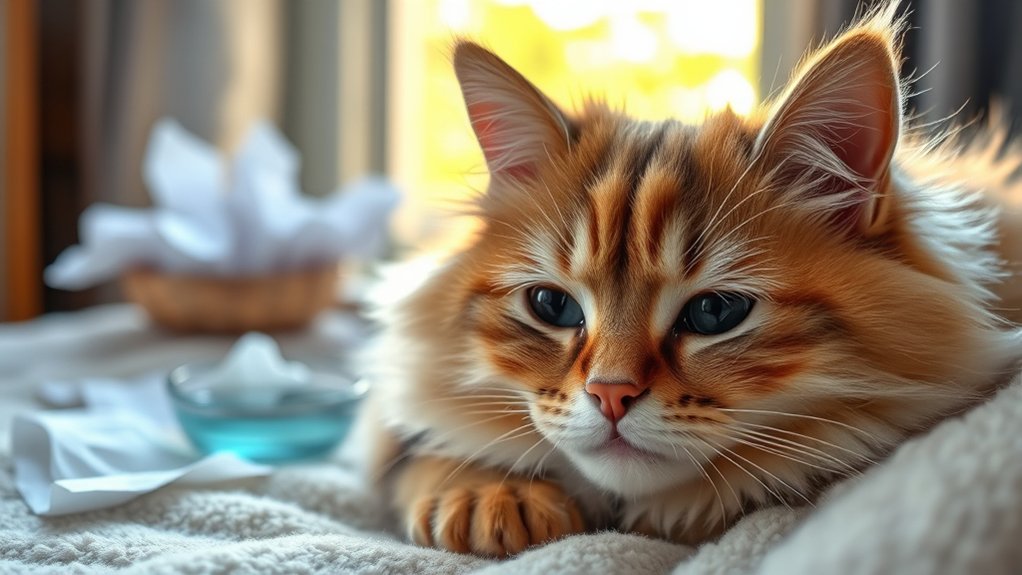
While you might assume cat colds are similar to human colds, they’re caused by specific viral infections unique to felines. Cat colds primarily stem from upper respiratory infections caused by viral infections such as feline herpesvirus and feline calicivirus. Feline herpesvirus accounts for about 90% of these cases.
Cat colds are caused by feline-specific viruses, with feline herpesvirus responsible for the majority of cases.
These viruses are highly contagious, especially in multi-cat environments where transmission happens through respiratory droplets from sneezing or coughing.
Stressful conditions, like crowded living situations or boarding facilities, can weaken your cat’s immune system, making them more vulnerable to infection.
Moreover, underlying health issues that compromise immunity increase susceptibility.
It’s important to remember that cat colds are species-specific; they can’t be transmitted to humans or other animals. So, your cat’s illness remains a feline concern.
Common Symptoms of Cat Colds
You’ll notice your cat sneezing, coughing, and having nasal discharge when they catch a cold, much like humans do.
Also, keep an eye out for watery eyes, lethargy, or mouth sores, since these can signal more serious issues.
And if your cat shows signs like loss of appetite or difficulty breathing, it’s really important to seek veterinary care right away.
Recognizing Cold Symptoms
Because cat colds can develop quickly, recognizing the early symptoms is essential to providing timely care. You might notice your cat sneezing frequently, with a runny nose and watery eyes. Lethargy and loss of appetite are also common signs that your feline friend isn’t feeling well.
Monitoring these symptoms closely helps you decide when to consult your vet.
| Symptom | Description | What to Watch For |
|---|---|---|
| Sneezing | Frequent, sometimes forceful | Persistent or worsening |
| Runny Nose | Nasal discharge or congestion | Color changes or thickening |
| Watery Eyes | Excessive tearing | Redness or swelling |
Spot these signs early to guarantee your cat gets the care needed to recover smoothly.
Severe Symptom Indicators
If your cat’s cold symptoms persist beyond four days or get worse, it’s really important to watch for signs of a severe condition.
Cats showing serious symptoms like persistent coughing, trouble breathing, or excessive runny eyes need to see a vet right away.
These breathing problems could mean complications such as pneumonia or bacterial infections, which definitely need professional care.
Don’t give your cat any cold medicine without checking with a vet first because some human medicines can be harmful to cats.
Also, keep an eye out if your cat is very lethargic, eating less, or having difficulty breathing.
These are big red flags. Young kittens, older cats, and those with weak immune systems are especially at risk.
Taking quick action when you see severe symptoms will help your cat get the treatment it needs and stop the illness from getting worse.
Cold or Allergies? How to Tell the Difference
How can you tell if your cat’s symptoms stem from a cold or allergies? Cold symptoms often appear quickly and include sneezing and sniffles, nasal congestion, fever, and lethargy. These are signs of a cat dealing with upper respiratory infections characterized by the common cold.
Allergies or a cold can both cause watery eyes, but allergies usually bring excessive itching and skin irritations. If you’re unsure, it’s best to contact your vet.
| Symptom | Cold |
|---|---|
| Onset | Rapid (within 24 hours) |
| Respiratory Signs | Sneezing, nasal congestion, cough |
| Other Signs | Fever, lethargy |
| Symptom | Allergies |
| Onset | Gradual, persistent |
| Skin | Excessive itching, irritation |
| Fever & Lethargy | Rare |
When Should You Worry and See a Veterinarian?
If your cat is having trouble breathing, keeps coughing, or hasn’t eaten for more than a day, it’s time to see a vet right away.
Don’t wait around, especially if these signs stick around for more than four days.
Also, if your furry friend is a kitten, a senior, or already has some health problems, you should be extra careful.
These cats are more prone to getting seriously sick.
So, the sooner you act, the better.
This way, you can help avoid any serious issues and make sure your cat gets the care they really need.
Warning Signs To Watch
Whenever your cat starts showing signs like coughing, difficulty breathing, or a sharp drop in appetite, you need to act quickly and consult your veterinarian. These warning signs suggest your cat is sick and may have an upper respiratory infection or worse.
If symptoms of a cat’s cold persist beyond four days without improvement, don’t wait. Seek veterinary advice right away.
Watch closely for signs of dehydration, such as refusing water for over 24 hours, vomiting, or diarrhea. A senior cat showing these symptoms requires extra care.
Also, if your cat develops a high fever or lethargy alongside coughing, these could signal secondary infections that need prompt treatment.
Recognizing these warning signs early can prevent complications and make sure your cat gets the care it needs.
High-Risk Cat Groups
Because some cats face greater risks from colds, you need to be especially vigilant with senior cats, kittens, and those with underlying health conditions.
These high-risk groups can develop severe complications from upper respiratory infections, making close monitoring crucial.
If your cat’s symptoms persist beyond four days or worsen, it’s time to seek veterinary attention.
Watch closely for coughing, difficulty breathing, or severe lethargy. These signs should never be ignored in vulnerable cats.
Moreover, if your pet stops eating or drinking for over 24 hours, dehydration can quickly set in and escalate health risks.
Prompt veterinary care helps prevent complications like pneumonia.
Immediate Veterinary Actions
Knowing when to seek veterinary care can make all the difference in your cat’s recovery from a cold. If your cat’s symptoms persist beyond four days without improvement, it’s time to consult a veterinarian.
Watch for signs like difficulty breathing, persistent coughing, or severe lethargy. These require immediate veterinary care.
A loss of appetite lasting over 24 hours is another critical warning sign. While healthy cats might recover with monitoring, kittens, seniors, and cats with underlying health issues need closer observation.
Regularly check for dehydration or worsening symptoms to catch infections early.
Prompt action helps your cat feel better faster and prevents complications. Don’t hesitate to seek professional advice if you’re unsure.
Consult a veterinarian to guarantee your cat gets the care it needs.
Home Remedies for Cat Colds
Several simple home remedies can make a big difference when your cat has a cold. Managing feline upper respiratory symptoms like a runny nose becomes easier with a few careful steps at home. You should always keep an eye on symptoms and book a vet appointment if things get worse.
Try these effective home remedies:
Use a humidifier to add moisture to the air. This helps ease nasal congestion.
Gently wipe your cat’s runny nose and watery eyes with a warm, damp cloth to keep them comfortable. Offering soft, warm food encourages eating, especially when dry food isn’t appealing.
Also, make sure your cat has a cozy place to rest. This helps reduce stress and supports recovery from cat colds.
These steps can really help your cat feel better while you watch out for any signs that need professional care.
Treating Severe Cat Colds
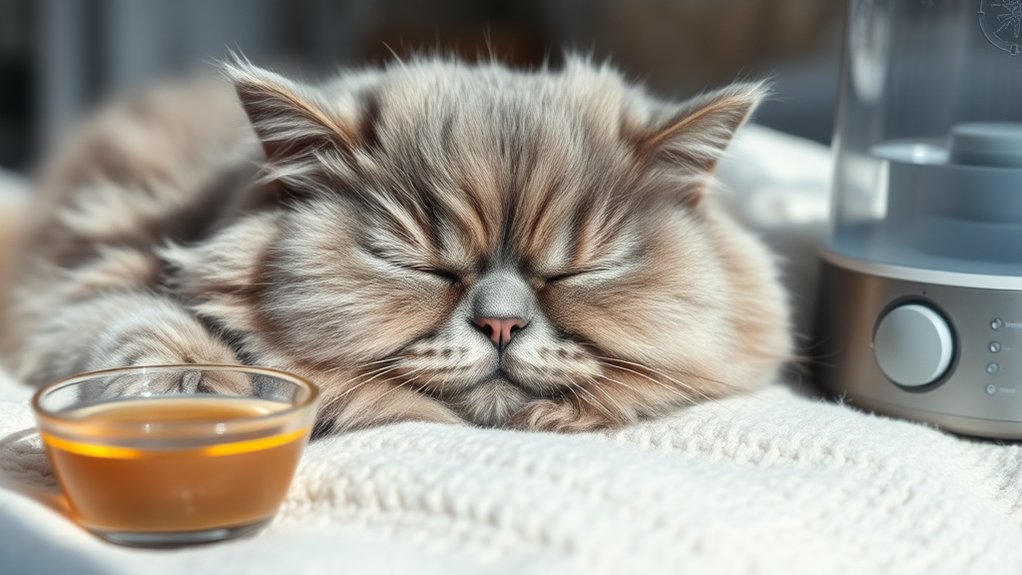
If your cat’s cold symptoms worsen or don’t improve within four days, it’s essential to seek veterinary care promptly.
Severe cat colds can lead to complications like pneumonia, which require professional treatment. Your vet may prescribe antibiotics or antiviral medications to address secondary infections or persistent viral issues.
At home, keep your cat’s environment warm and stress-free to support recovery.
Using a humidifier can help relieve nasal congestion and make it easier for your cat to breathe. Keep a close eye on your cat’s appetite and hydration.
If they refuse food for over 24 hours or show signs of dehydration, contact your vet immediately.
Early intervention and consistent care ensure your cat’s symptoms improve and speed up recovery.
Don’t hesitate to prioritize veterinary care when treating severe cat colds.
Preventing Cat Colds
Though cat colds can be common, you can take effective steps to reduce their risk by maintaining a clean, stress-free environment and ensuring your cat receives regular veterinary care.
Preventing cat colds focuses on strengthening your cat’s immune system and minimizing exposure to upper respiratory infections.
Preventing cat colds involves boosting immunity and limiting exposure to respiratory infections.
You should pay close attention to these key areas:
- Keep indoor cats in a hygienic space and reduce stress to support immune health.
- Stay current with vaccinations, especially against feline herpesvirus and calicivirus.
- Provide a balanced diet and schedule regular vet check-ups to detect any health issues early.
How Long Do Cat Colds Last?
A typical cat cold lasts about 7 to 10 days. Most healthy cats start to show improvement within just a few days. Cat colds usually come with symptoms like sneezing and nasal discharge, and they often clear up on their own without any treatment.
That said, kittens, senior cats, or cats with weaker immune systems might take a bit longer to bounce back. It’s important to keep a close eye on your cat during this time. This way, you can catch any signs of secondary bacterial infections or other underlying issues early.
If your cat’s symptoms stick around for more than 10 days, it’s a good idea to check in with your vet. They can help figure out what’s going on and suggest the best next steps.
| Cat Type | Recovery Time | Notes |
|---|---|---|
| Healthy Cats | 7 to 10 days | Symptoms improve quickly |
| Kittens | 10+ days | Vulnerable to complications |
| Senior Cats | 10+ days | May require veterinary care |
Stay vigilant and support your cat’s recovery carefully.
Frequently Asked Questions
Can a Cat Cold Be Transmitted to Humans?
No, cat cold transmission to humans doesn’t happen. Feline respiratory infections are caused by viruses distinct from human cold viruses, so you’re safe around your cat, even if they show symptoms like sneezing or congestion.
Focus on cold prevention tips, maintaining your indoor cat’s safety, and supporting their immune system health.
Keep environmental factors clean, and always seek veterinary advice if symptoms worsen to protect your furry friend effectively.
Are Certain Cat Breeds More Prone to Colds?
You might think Persian cats and their flat-faced friends like Himalayans catch colds just by blinking!
While Siberian cats and Maine Coons boast robust health, breeds like Persians, Scottish Folds, and Burmese cats are more prone due to facial structure.
Siamese, Ragdoll, Bengal, and Abyssinian cats face fewer risks, but stress or overcrowding can tip the scales.
Knowing this helps you tailor care and keep your feline friends healthier.
Can Vaccinations Prevent Cat Colds?
Yes, vaccinations greatly improve vaccination effectiveness by protecting your cat against common cat viruses like feline herpesvirus and calicivirus.
They’re a key part of preventive care, especially if your cat has outdoor exposure or lives with other cats.
Vaccines boost your cat’s immune system, supporting respiratory health through seasonal changes.
Keep in mind, age factors influence vaccine response, so consult your vet to tailor the best schedule for your indoor or outdoor cat.
How Does a Cat’s Cold Affect Its Behavior?
Imagine your cat as a Victorian noble suddenly struck by a cold. Behavioral changes become obvious.
You’ll notice altered sneezing patterns and appetite loss, signaling discomfort.
Lethargy shows as your cat prefers resting over playfulness. Social withdrawal and vocalization changes reflect their struggle. Grooming habits may also decline.
You’ll see a clear drop in playfulness.
Is It Safe to Give Human Cold Medicine to Cats?
You shouldn’t give human cold medicine to cats; it’s unsafe and can cause serious harm. Instead, seek veterinary advice for proper feline cold remedies, including homeopathy for cats or herbal treatments that respect dosage guidelines.
Compare symptoms carefully, and focus on cold prevention tips like improving nutritional support and controlling environmental factors.
Always prioritize vet-approved treatments to guarantee your cat recovers safely and comfortably without risking toxic reactions.
Conclusion
You can recognize a cat cold by spotting sneezes, watery eyes, and nasal discharge. You can care for your cat with rest, hydration, and a clean environment. You can prevent future colds by keeping your cat stress-free and up to date on vaccinations.
But you must act quickly if symptoms worsen, breathing struggles, or appetite loss appear. You must seek veterinary help to guarantee your cat recovers safely and comfortably. It’s always better to be safe and get professional advice when you’re unsure.