What Can You Put On A Cat Wound – Safe Treatment Guide
You can safely treat your cat’s wound by gently cleaning it with a warm saline solution. Avoid harsh substances like hydrogen peroxide or alcohol because they can irritate the skin.
After cleaning, apply a vet-approved antimicrobial ointment or a thin layer of medical-grade honey if the wound looks inflamed. Protect the area with a breathable bandage and try to prevent your cat from licking it by using an e-collar.
Never use human medications without vet guidance since many are toxic to cats. Keep an eye on the wound, and continued care is key to proper healing. If anything seems off, don’t hesitate to seek professional help.
What Can You Safely Use On Your Cat’s Wound?
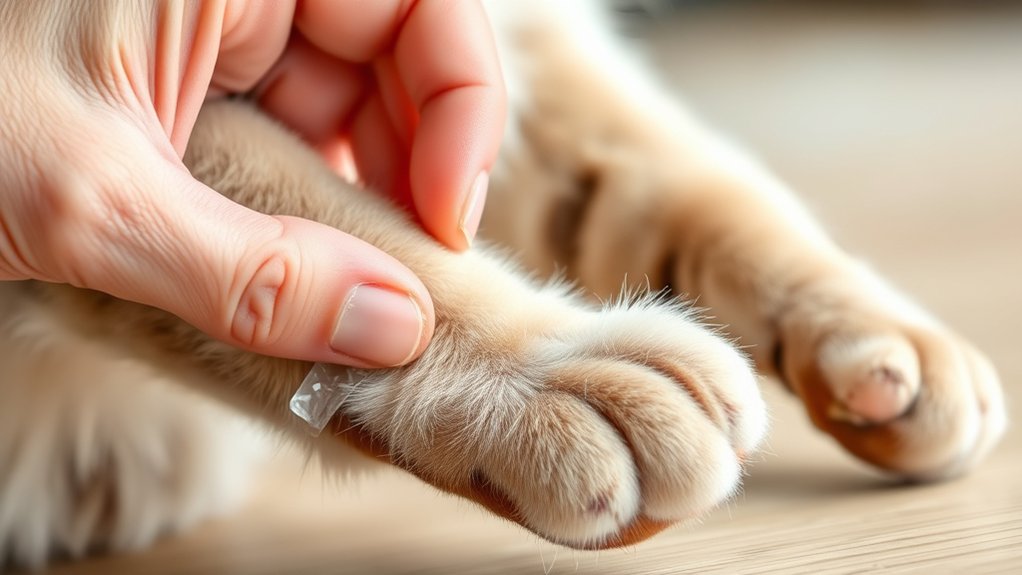
How should you care for your cat’s wound safely? First, make sure the wound is clean by gently removing any foreign material using a warm saline solution. This helps prevent infection and gets the area ready for treatment.
Avoid harsh substances like hydrogen peroxide or rubbing alcohol because they can damage tissue and slow down healing. Instead, think about using a veterinary-approved antimicrobial treatment product. Medical-grade honey is a great topical option for wounds that are inflamed or swollen. It promotes healing and helps prevent infection.
Steer clear of hydrogen peroxide and rubbing alcohol; opt for vet-approved antimicrobials or medical-grade honey to heal wounds safely.
Before applying any ointments or creams, check with your vet to avoid products that might cause irritation or lead to bacterial resistance.
Protect the wound with a non-adherent bandage to stop further injury or contamination. Just make sure the bandage doesn’t stick to the wound itself.
Always prioritize veterinary care for advice and guidance throughout the healing process. They can help ensure your cat recovers safely and comfortably.
How To Clean Your Cat’s Wound Safely
Keeping your cat’s wound clean is the first step to preventing infection and promoting healing. To clean the wound, gently rinse it and the surrounding area with a warm saline solution. You can mix 1 teaspoon of salt in 2 cups of water to remove debris without causing irritation.
Avoid using soaps, hydrogen peroxide, or alcohol because they can harm the tissue. For minor wounds, use sterile gauze or a clean cloth to apply gentle pressure if bleeding occurs. Then, cover the wound with a non-adherent bandage.
Make sure to monitor the wound daily for signs of infection like increased redness, swelling, or pus. If you notice any of these signs, it’s important to seek veterinary attention promptly.
Also, always consult your veterinarian before applying any topical treatments to guarantee safety and proper care.
Which Antibacterial Ointments Are Safe For Cat Wounds
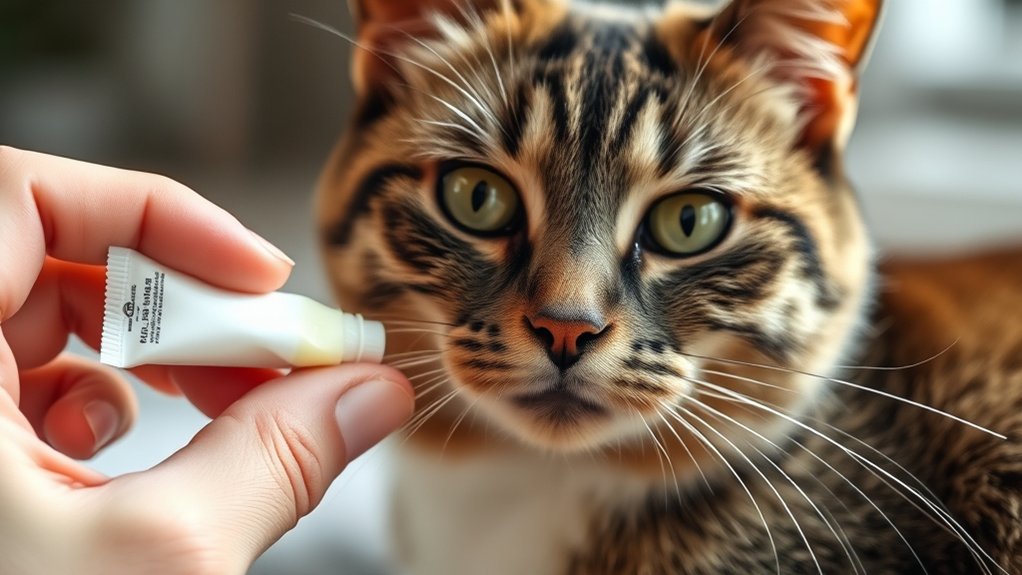
Before you put any antibacterial ointment on your cat’s wound, it’s a good idea to check with your vet first. They can make sure the ointment is safe and right for your furry friend.
When you’re picking an ointment, stick to ones your vet recommends, like Neosporin without any pain relief ingredients. You definitely want to avoid anything that has toxic stuff like benzocaine or lidocaine in it.
Once you have the right ointment, just apply a thin layer on the clean wound.
Keep an eye on the area for any signs of irritation or discomfort to keep your cat safe and healthy.
Vet-Approved Ointments
Although many over-the-counter antibacterial ointments exist, you should only use those specifically approved for cats to avoid harmful side effects.
Always consult your vet before applying any treatment, as they can recommend veterinary-approved options tailored to your cat’s wound.
Vet-approved ointments often include antibiotic creams like bacitracin or neomycin, but these should be used sparingly and only under professional guidance.
Hydrogel options, such as medical-grade honey or cat-safe hydrogels, promote healing and prevent infection without causing irritation.
It’s essential to avoid common ingredients known to be toxic to cats, so sticking to veterinary-approved products guarantees safety and effectiveness.
Avoid Harmful Ingredients
When treating your cat’s wounds, you must avoid antibacterial ointments containing harmful ingredients like benzalkonium chloride. These can irritate the skin or cause toxicity if ingested. Some common human ointments may contain these harmful ingredients, so always check with your veterinarian before applying anything.
For minor injuries, products like Neosporin can be safe but should be used sparingly and under professional guidance. A better alternative is antimicrobial hydrogel formulated specifically for pets. It promotes effective wound care without risking adverse reactions.
Medical-grade honey is another option because of its natural antibacterial properties, but you need to be careful to prevent attracting pests.
Always prioritize veterinarian-approved treatments to make sure your cat’s wounds heal safely and efficiently. This helps avoid complications from harmful ingredients.
Application Tips and Precautions
To guarantee your cat’s wound heals properly, you should use only veterinary-approved antibacterial ointments such as those containing bacitracin or silver sulfadiazine, which are both safe and effective.
First, clean the wound gently with saline to remove debris before applying any ointment. If the wound requires it, apply pressure directly to control bleeding before treatment.
Always consult your veterinarian before using any antibacterial ointments to verify they suit your cat’s specific condition.
After applying the ointment, monitor the wound closely for signs of irritation, swelling, or worsening infection. Avoid human ointments, as they can contain harmful ingredients.
If the wound doesn’t improve or shows adverse reactions, promptly seek veterinary advice.
Following these precautions helps guarantee safe, effective healing for your cat. It’s always better to be cautious when it comes to your furry friend’s health!
When To Use Medical-Grade Honey For Cat Wounds
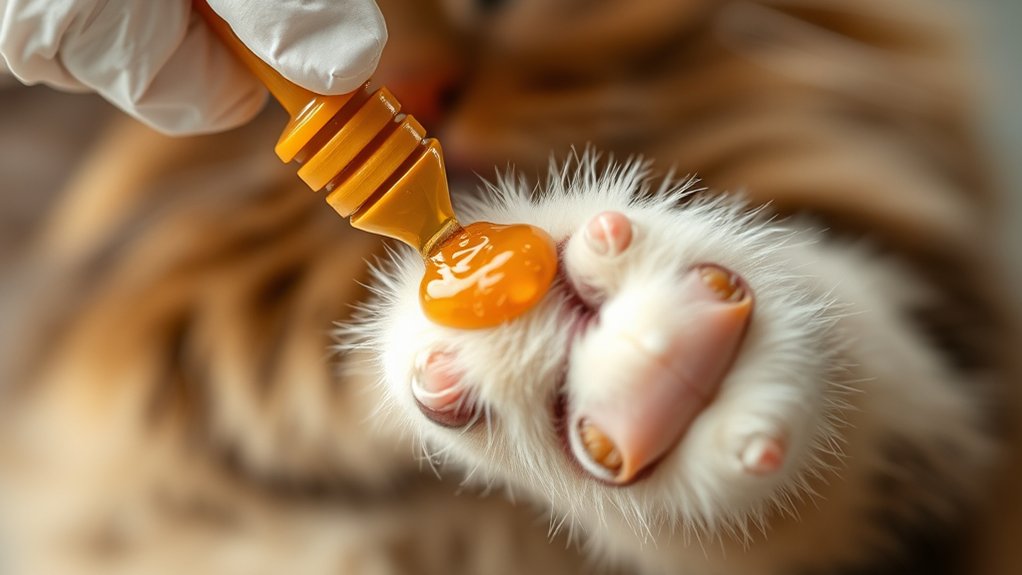
You can use medical-grade honey, especially Manuka honey, to help prevent infection and reduce inflammation in your cat’s wounds.
Just apply a thin layer after cleaning the area.
But remember, it’s always best to check with your veterinarian first to make sure you’re using it correctly and in the right amount.
Keep an eye on the wound regularly to see how it’s healing and catch any problems early.
Benefits Of Medical-Grade Honey
Although traditional treatments remain vital, medical-grade honey offers unique benefits for managing certain cat wounds. Its natural antimicrobial properties help prevent infection while promoting healing by maintaining a moist wound environment important for tissue regeneration.
Medical-grade honey’s high viscosity forms a protective barrier that shields wounds from bacteria and debris, reducing pain and inflammation. This makes it particularly effective for superficial wounds, ulcers, and hot spots.
However, you should always seek consultation with a veterinarian before using medical-grade honey to confirm it’s suitable for your cat’s specific wound type.
Remember, while honey can support healing, it shouldn’t replace professional veterinary care, especially for serious injuries.
Using medical-grade honey correctly can enhance wound management safely and effectively. So, it’s a great option to consider, but make sure you get the right advice for your furry friend.
Application Guidelines And Safety
When considering medical-grade honey for your cat’s wounds, it’s essential to apply it correctly and only under appropriate circumstances. Use medical-grade honey specifically labeled to guarantee purity and avoid harmful additives.
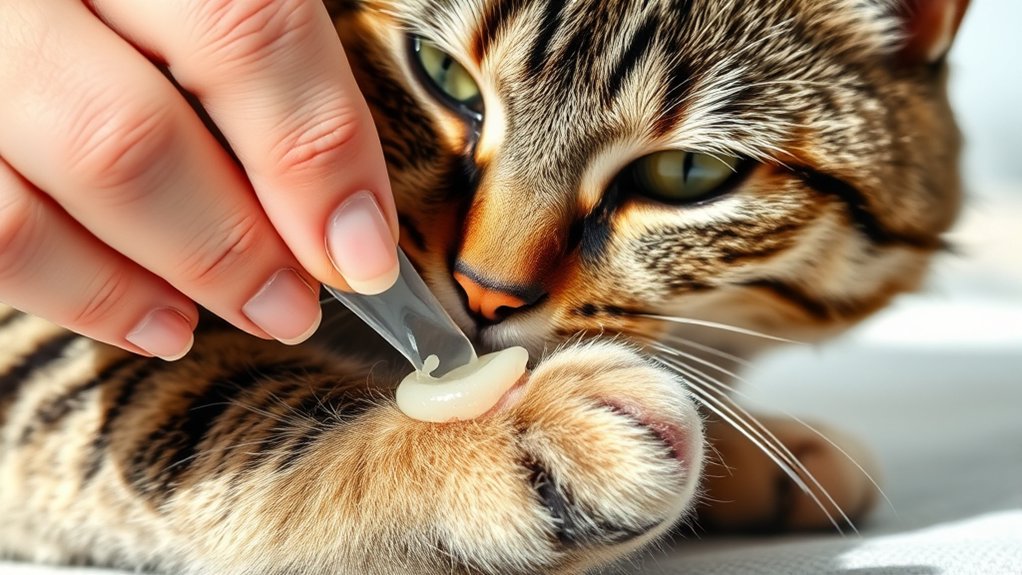
Start by gently cleaning the wound with a clean cloth. Then, apply a thin layer of medical-grade honey directly onto the wound. Cover it with a sterile bandage to keep the area moist and protected. This helps prevent infection and promotes healing effectively.
Keep an eye on the wound daily for signs of increased redness, swelling, or discharge. If you notice anything concerning, don’t hesitate to consult a veterinarian promptly.
And remember, avoid regular honey because it can contain contaminants or sugars that might slow healing or attract pests.
Using medical-grade honey properly supports safe and effective wound care for your cat.
Why You Should Never Use Human Medicine On Cat Wounds
Since cats process medications differently than humans, using human medicine on their wounds can cause severe harm. Many human medications are toxic to cats, potentially leading to serious health issues like liver damage or kidney failure.
Over-the-counter antiseptics such as hydrogen peroxide and alcohol may irritate a cat’s skin and delay healing rather than aid it.
Because cats metabolize drugs uniquely, substances safe for you might be dangerous for them. Human medications often lack veterinary approval, so their safety and effectiveness for cats remain unproven.
To protect your feline friend, always consult a veterinarian before applying any treatment. They can recommend veterinary-approved options specifically designed to promote healing without risking your cat’s health.
Avoid using human medicine on cat wounds to prevent complications. It’s really better to be safe than sorry when it comes to your cat’s health.
How To Protect Your Cat’s Wound From Licking And Infection
Protecting your cat’s wound from licking and infection plays an essential role in successful healing. Start by fitting your cat with an e-collar to physically prevent licking or chewing. This can introduce bacteria and make the infection worse.
Next, apply a secure, breathable bandage over the wound to keep it clean and discourage licking. Be sure to change the bandage regularly. Before rebandaging, use a clean cloth to gently clean the area, but avoid harsh chemicals.
You might also consider using a pet-safe bitter spray around the wound. This helps deter licking without causing any harm to your cat.
It’s important to monitor the wound every day for signs like redness, swelling, or discharge since these could mean infection.
Also, try to limit your cat’s activity. This reduces the risk of further irritation or trauma.
Following these steps helps ensure a safe and infection-free healing environment for your cat’s wound.
How To Know When Your Cat’s Wound Needs A Vet
If your cat’s wound shows signs of abnormal odors, pus discharge, or excessive bleeding that doesn’t stop within 5-10 minutes, you should seek veterinary care immediately. When a wound is bleeding heavily or shows signs of infection, it’s essential to contact your veterinarian without delay. You should also monitor for excessive bleeding regularly.
If you notice lethargy, fever, or vomiting alongside a wound, these can indicate severe health issues that require veterinary evaluation. Deep wounds or those not healing over time also warrant professional assessment. This helps determine whether further treatment or surgery might be necessary.
| Signs to Watch For | Action to Take |
|---|---|
| Excessive bleeding | Contact your veterinarian |
| Abnormal odor or pus discharge | Seek veterinary care |
| Deep or non-healing wounds | Require veterinary attention |
| Lethargy or vomiting | Immediate veterinary visit |
How To Care For Your Cat’s Wound At Home
When caring for your cat’s wound at home, start by gently cleaning the area with a saline solution made from 1 teaspoon of salt dissolved in 2 cups of warm water.
Use a clean cloth to carefully remove any debris without causing irritation. Avoid hydrogen peroxide or alcohol, as these can delay healing.
After cleaning, apply a cat-safe antimicrobial hydrogel to prevent infection and promote recovery.
Apply a cat-safe antimicrobial hydrogel after cleaning to protect against infection and support healing.
To stop your cat from licking or chewing the wound, use an e-collar or protective bandage.
It’s essential to monitor the wound daily for signs of redness, swelling, pus, or behavioral changes.
If you notice any of these, contact your veterinarian promptly.
Consistent, gentle care helps guarantee your cat’s wound heals safely and effectively.
Frequently Asked Questions
Can I Use Natural Remedies Like Aloe Vera on My Cat’s Wound?
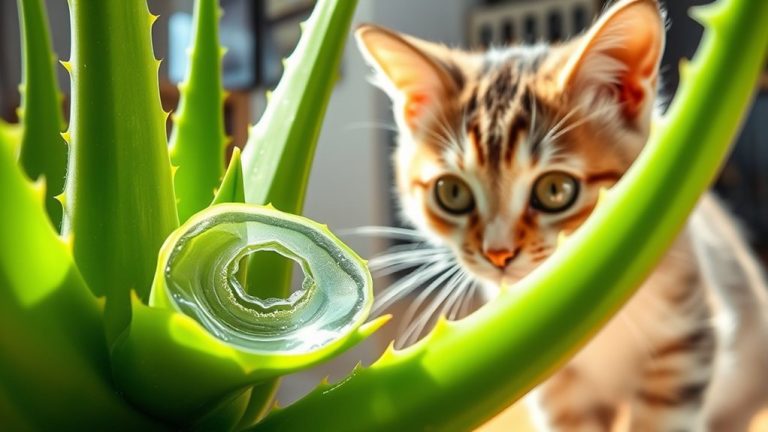
You can use aloe vera for cat wound care because of its healing properties and benefits. But you have to be careful when applying it.
Make sure to use pure, organic aloe vera to avoid skin irritation.
Also, try to keep your cat from licking the area since ingesting aloe vera can be harmful. There are natural alternatives out there too, but it’s always best to check with your vet before trying any remedy.
Keep a close eye on the wound. If it gets worse or shows signs of infection, don’t hesitate to seek professional care.
How Often Should I Clean My Cat’s Wound Each Day?
You should clean your cat’s wound at least once a day to support healing and prevent infection.
Keeping a consistent cleaning routine also helps you catch any signs of infection early. Use gentle wound care techniques with sterile saline or vet-approved antiseptic options.
Changing bandages daily is really important for effective cat first aid.
These simple cat recovery tips can make a big difference in how well your cat heals.
And of course, always check with your vet for advice that’s tailored to your cat’s specific needs.
Is It Safe to Use a Bandage on My Cat’s Wound?
Yes, you can use a bandage on your cat’s wound, but it depends on the type of bandage, the size of the wound, and how long it needs to heal.
Choose non-adherent bandages for delicate wounds to avoid causing more damage. Make sure the bandage is snug but not too tight.
Keep an eye on your cat’s behavior since licking or chewing the bandage might mean you need to use an e-collar.
It’s important to remove and change the bandage every day, cleaning the wound each time.
Always check with your vet for the best care, especially if you notice any signs of infection. They can guide you on the right steps to help your cat heal safely.
What Signs Indicate My Cat Is in Pain From the Wound?
Think of your cat’s pain indicators as flashing warning lights. You’ll notice behavioral changes like hiding tendencies or increased aggression.
Vocalization signs such as yowling or growling often point to discomfort. Excessive grooming behavior at the wound site can actually make the injury worse.
Appetite loss is another red flag that signals distress. Pay close attention to these signs. They help you understand your cat’s pain and decide when to seek veterinary care.
Can My Cat Go Outside While Healing From a Wound?
You shouldn’t let your cat go outside freely during wound healing because of infection risks from dirt and bacteria.
Outdoor safety means you need to keep the wound covered and watch your cat closely.
The environment can add stress, which might slow down recovery. It can also cause your cat to lick or bite the wound more than usual.
Because of this, you’ll need to keep a close eye on them to prevent any complications.
It’s a good idea to check with your vet about when it’s safe for your cat to go outside again. This way, you can balance healing progress with keeping your cat calm and comfortable.
Conclusion
Caring carefully for your cat’s cuts and scrapes can curb complications and create comfort. Clean wounds with caution, choose cat-safe ointments, and consider medical-grade honey when healing helps. Avoid applying human medications, as they can cause harm.
Protect wounds from persistent licking to prevent infection. Stay sharp on signs signaling a serious situation that needs a vet’s vigilance. With thoughtful treatment and timely attention, you’ll keep your feline friend feeling fine and fighting fit.