How Long Can A Cat Hold Its Pee – Normal Vs Emergency
Your adult cat can typically hold its pee for 24 to 48 hours, but ideally, they should urinate every 12 hours to stay healthy. Kittens need to go more often.
If your cat hasn’t peed in over 12 hours or shows signs like straining, vocalizing, or licking excessively, it’s an emergency requiring immediate vet care. Ignoring these signs can lead to serious issues.
Understanding how age, diet, and symptoms affect urination can help you protect your cat’s health. So, paying attention to these details really makes a difference.
How Long Can Cats Really Hold Their Pee?
Healthy adult cats can hold their pee 24-48 hours but should ideally urinate every 12 hours for good health.
Kittens have smaller bladders, so they need to pee more often, about every 1 to 6 hours. Several factors influence how long a cat can hold its urine, like hydration, age, and life circumstances.
Holding pee beyond 48 hours can lead to urinary tract infections or even bladder rupture. If you notice your cat circling the litter box or straining, these signs might mean urinary issues that need immediate veterinary care.
Paying attention to these signals helps protect your cat’s well-being and prevents serious complications.
How Age, Diet, and Health Affect Cat Urination
Although every cat is unique, age, diet, and health play vital roles in shaping their urination habits. Kittens need frequent bathroom breaks due to their small bladders, while senior cats often face weaker bladder control.
Your cat’s diet also matters. Wet food increases hydration and leads to more frequent urination, whereas dry food can cause concentrated urine if water intake is low.
Health issues like urinary tract infections (UTIs) and bladder stones can disrupt normal patterns, causing urgency or discomfort. Proper hydration is essential to prevent these problems.
Paying attention to your cat’s age, diet, and health helps you understand their urination habits better. It also guarantees you spot any changes early, promoting their comfort and well-being.
Signs Your Cat Is Struggling to Pee
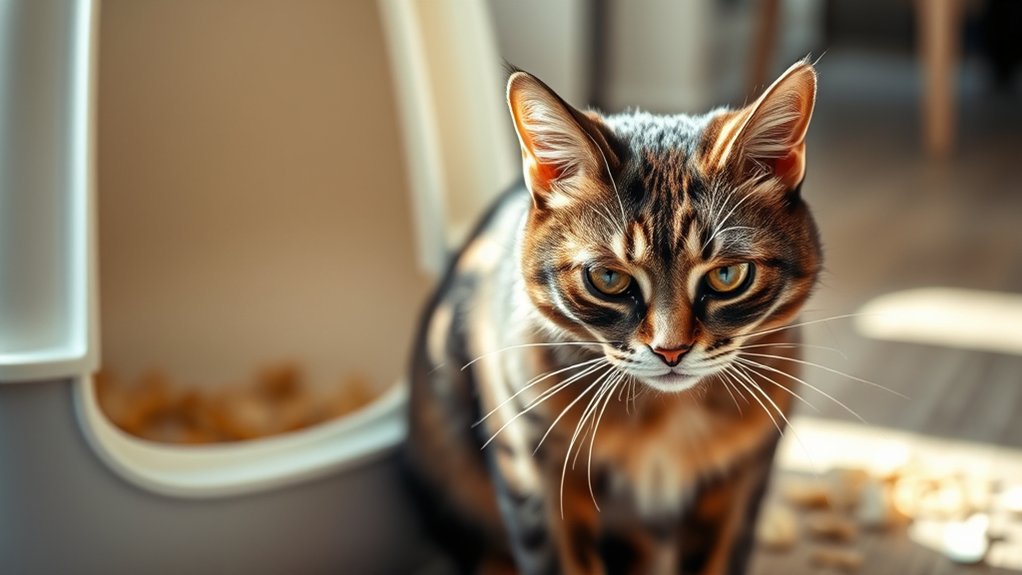
When does your cat’s need to pee turn into a sign of distress? Watch for signs like pacing or circling near the litter box, showing urgency or discomfort.
If your cat squats but can’t urinate or produces very little urine, it may have a urinary tract infection or blockage causing serious distress.
Vocalization, such as persistent meowing or yowling, often signals pain or struggle. Excessive licking of the genital area also indicates discomfort linked to urinary health issues.
These symptoms aren’t normal and demand prompt veterinary attention. Ignoring them could worsen your cat’s condition.
Recognizing these signs early helps you act quickly, ensuring your cat gets the care it needs before the situation becomes an emergency.
What Happens If Your Cat Holds Its Pee Too Long?
If your cat holds its pee too long, it can lead to some serious health problems. Things like urinary infections, bladder stones, or even life-threatening blockages can happen—this is especially true for male cats.
You might start to notice some changes in your cat’s behavior, like straining to pee, licking their genital area a lot, or just generally looking uncomfortable.
Catching these signs early is really important because your cat will need urgent care to avoid serious complications.
Health Risks Overview
Because cats can hold their urine for up to 48 hours, you mightn’t immediately notice any problems.
But beyond this period, serious health risks quickly arise. Holding pee too long can lead to urinary tract infections (UTIs) and bladder inflammation. This happens because of irritation from concentrated urine.
This buildup can cause crystals or stones, which increases the risk of urinary obstruction. That’s a critical warning sign that demands immediate veterinary attention.
If your cat strains or shows blood in their urine, don’t wait to get help.
Prolonged retention may also cause toxin buildup, leading to kidney damage.
Recognizing these severe health risks early can protect your cat from painful complications.
Behavioral Changes Noted
Although cats can hold their urine for extended periods, you’ll notice distinct behavioral changes if they start experiencing discomfort or health issues. When your cat is holding their pee too long, it may show symptoms of discomfort or struggle with the need to urinate.
Behavioral changes often indicate underlying health problems like urinary tract infections (UTIs) or even potential urinary blockage. Pay close attention to your cat’s litter box habits and overall behavior.
- Pacing or frequent meowing, signaling pain
- Excessive grooming of the genital area
- Reluctance or avoidance of the litter box
- Straining or unsuccessful attempts to urinate
If your cat hasn’t urinated in 24 hours, veterinary care is crucial. Recognizing these signs early can prevent serious complications and guarantee timely treatment.
Male Cats and Their Risk of Urinary Emergencies
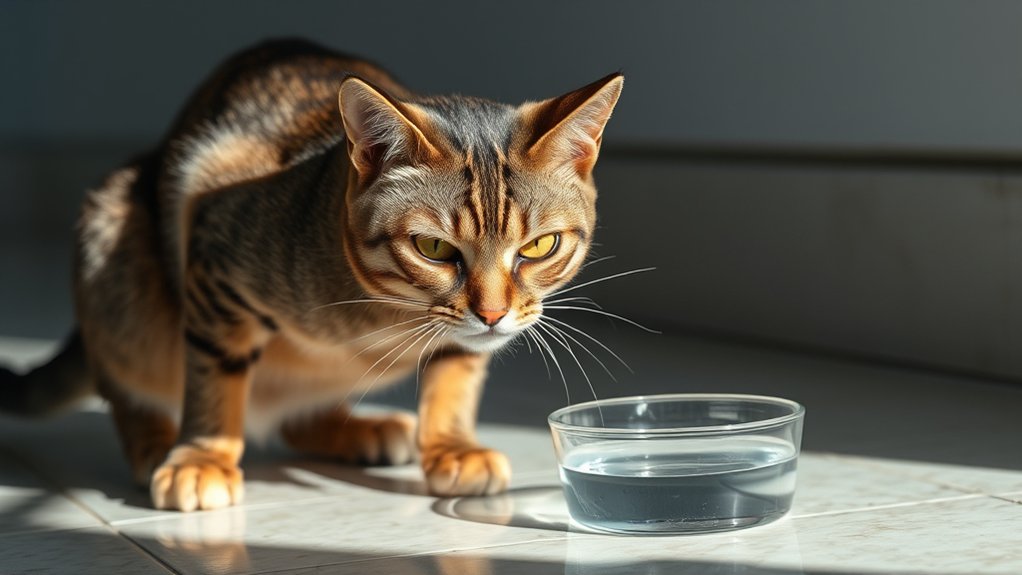
You need to keep a close eye on male cats because their narrow urethra makes them more likely to get dangerous blockages from crystals or mucus.
If you see your cat straining, making frequent trips to the litter box but producing little to no urine, or showing signs of discomfort, these are urgent warning signs of a urinary emergency.
It’s really important to act quickly because doing so can prevent serious complications like kidney failure or even death.
Urethral Blockage Risks
When male cats develop urethral blockages, the situation can quickly become life-threatening because their urethra is narrower. Urethral blockage in male cats is a serious urinary emergency often caused by crystals, mucus plugs, or inflammation. Sometimes stress can make it worse.
You might notice your cat making frequent trips to the litter box but passing little or no urine. That’s a clear sign they’re in distress. If your cat hasn’t urinated for 24 hours, it’s a medical emergency. Immediate veterinary care is critical to prevent kidney damage or rupture.
Early intervention really improves the chances of a good outcome, so it’s super important to watch how often your cat urinates.
- Male cats’ narrower urethra increases blockage risk
- Stress and diet changes can trigger blockages
- Frequent litter box visits without urine indicate trouble
- No urination over 24 hours demands urgent care
- Early intervention can save your cat’s life
Male Cat Anatomy
The anatomy of male cats plays an essential role in their heightened risk of urinary emergencies. Male cats have a longer, narrower urethra than females, making them more prone to urinary blockages. These blockages can prevent urine from leaving the bladder, causing intense discomfort and serious health risks.
If your male cat shows symptoms like straining to urinate, frequent litter box visits, or vocalizing in pain, take prompt action. Urinary issues can quickly escalate to life-threatening conditions, requiring immediate veterinary intervention.
Factors like stress, obesity, and diet also increase the risk. Understanding this anatomy helps you recognize the urgency.
Don’t wait—early detection and treatment are imperative to protect your male cat’s health and prevent severe complications.
Emergency Symptoms to Watch
Male cats’ unique anatomy makes them especially vulnerable to urinary blockages that can escalate quickly. If your male cat can’t urinate, it’s a serious sign of urinary emergencies needing immediate veterinary attention.
Watch for these signs of distress:
- Frequent trips to the litter box without producing urine
- Straining or vocalizing when trying to urinate
- Excessive grooming of the genital area
- Lethargy or unusual behavior
- Complete inability to urinate for more than 12 hours
Urinary blockages can cause life-threatening complications like kidney failure or cardiac arrest within 24-48 hours.
If your cat shows any of these symptoms, don’t wait. Treat it as a medical emergency.
Knowing when your cat is ready or unable to relieve itself could save its life.
How to Prevent Urinary Problems With Litter Box Care
Because cats are sensitive to their environment, keeping their litter boxes clean and accessible plays an essential role in preventing urinary problems. You should scoop waste daily and change the litter weekly to maintain a clean litter box. This encourages your cat’s regular use and reduces the risk of urinary issues.
Provide one litter box per cat plus an extra to improve accessibility and lower territorial stress. Using clumping litter helps you monitor urine output easily, so you can spot volume changes that may indicate health concerns.
Place litter boxes in quiet areas with low traffic to create a comfortable space that invites your cat to use them consistently.
Prioritizing these steps will greatly help you prevent urinary problems and keep your cat healthy and comfortable.
When to Seek Emergency Vet Care for Urinary Issues
How can you tell when your cat’s urinary issues require emergency care? If your cat hasn’t peed in over 12 hours or shows signs of distress, don’t wait.
Urinary blockage is a serious medical emergency that can quickly threaten your cat’s health. Immediate veterinary care is crucial to prevent complications like kidney failure.
Watch closely for signs such as straining or crying while trying to pee, blood in the urine, or no urination for more than 12 hours.
You might also notice excessive licking or hiding, or your cat vocalizing near the litter box. If you see any of these signs, seek emergency vet care right away.
Acting fast can save your cat’s life and guarantee a better outcome.
Tips to Support Your Cat’s Urinary Health Every Day
To keep your cat’s urinary system healthy, focus on daily habits that encourage regular, comfortable urination.
Keep the litter box clean and accessible by scooping daily and changing the litter weekly. Cats avoid dirty boxes, which can lead to urinary issues.
Support healthy water intake by offering fresh water bowls in multiple locations. You can also add wet food to their diet since hydration directly affects urinary health.
Monitor your cat’s urination patterns using clumping litter to detect any changes early.
Create a stress-free environment by placing litter boxes in quiet, private areas. You might also want to consider calming aids.
Finally, schedule regular veterinary check-ups to catch any urinary issues before they escalate.
Taking these proactive steps helps maintain your cat’s urinary health every day.
Frequently Asked Questions
Can Certain Cat Breeds Be More Prone to Urinary Problems?
Yes, certain cat breeds are more prone to urinary problems due to breed differences and genetic predisposition.
Age factors and hydration levels also play roles, alongside environmental influences and diet impacts.
Male cats especially risk urinary blockages because of anatomy.
Behavioral tendencies, like litter box avoidance, can worsen issues.
You should monitor medical conditions closely and guarantee proper hydration and a clean litter box to help your cat stay healthy and comfortable.
How Does Stress Affect a Cat’s Urination Habits?
Stress triggers changes in your cat’s urine patterns. Often, they might avoid the litter box or mark territory to cope with anxiety.
Environmental changes and social interactions can ramp up their stress levels, causing behavior like pacing or vocalizing.
You can help by practicing stress management techniques. Offering anxiety relief through calm surroundings and clean, accessible litter boxes really makes a difference.
Just remember, ignoring these signs isn’t a good idea. It can lead to serious health problems, so stay attentive to your cat’s needs.
Keep an eye out and try to create a peaceful environment for them. It’ll help both of you feel better.
Are There Specific Cat Foods That Promote Urinary Health?
Coincidentally, the right cat food can greatly boost your furry friend’s urinary tract health.
You’ll want to choose wet food that supports hydration habits and maintains proper pH balance. Look for formulas with controlled mineral content and added dietary fibers or natural supplements like cranberries.
Pair this with vet recommendations, consistent feeding schedules, and appropriate litter choices to keep your cat comfortable.
These steps can help reduce urinary issues effectively. It’s all about creating a routine that supports your cat’s well-being.
Can Indoor vs. Outdoor Living Influence a Cat’s Pee Frequency?
Yes, indoor cats usually pee more regularly because they’ve constant litter box access and stable hydration levels.
Outdoor cats’ pee frequency varies with environmental factors, activity patterns, and social interactions. They often hold longer due to territorial behavior or stress indicators like predators nearby.
Monitoring your cat’s health means watching for changes in urination that signal issues.
Understanding these differences helps you support their wellbeing effectively. It’s all about knowing what’s normal for your furry friend so you can spot when something’s off.
What Are Common Home Remedies for Mild Urinary Discomfort in Cats?
For mild urinary discomfort, try herbal remedies like cranberry extract and dietary changes to support bladder health.
Focus on hydration tips, offering wet food and fresh water. Apply a warm compress to soothe your cat’s abdomen.
Use calming pheromones and stress relief tactics to ease anxiety.
Keep the litter box clean, monitor symptoms frequently, and don’t hesitate to seek a vet consultation if things worsen.
Your attentive care makes a big difference.
Conclusion
You might think your cat can hold its pee just fine, but waiting too long could lead to serious trouble. Age, diet, and health matter more than you realize. If you spot signs of struggle, don’t wait. Act quickly.
Male cats especially face risks that can turn urgent in no time. By staying attentive and caring for their litter box, you’re not just preventing problems. You’re protecting your furry friend’s life. Don’t underestimate the warning signs.