How Long Can A Cat Live With Congestive Heart Failure – Prognosis And Care
If your cat has congestive heart failure (CHF), their lifespan can range from several months to years with proper care. Early diagnosis and consistent treatment, including medications like diuretics and ACE inhibitors, improve prognosis. Regular vet visits help monitor heart function and adjust care.
Attentive home management reduces symptoms and maintains quality of life. Monitoring for worsening signs is essential to timely intervention. Understanding these factors will guide you in supporting your cat’s health effectively.
With the right approach, you can help your cat live as comfortably and happily as possible. Just stay observant and keep up with their care routine.
What Is Congestive Heart Failure and How It Affects Cats
Congestive Heart Failure (CHF) in cats happens when the heart can’t pump enough blood to meet the body’s needs. This causes fluid to build up in the lungs and abdomen. It’s often caused by hypertrophic cardiomyopathy.
You might notice symptoms like difficulty breathing, coughing, lethargy, abdominal bloating, and loss of appetite. These signs usually show up once the disease has advanced.
To diagnose CHF, your vet will do physical exams, chest X-rays, echocardiograms, and blood tests. These help check how the heart is working and rule out other diseases.
Treatment includes medications like diuretics and ACE inhibitors. These help manage the fluid buildup and support the heart’s performance.
Your cat’s outlook depends on how severe the condition is and how well they respond to treatment. With careful management, you can help your cat maintain a good quality of life for months or even years.
How Early Diagnosis Can Extend Your Cat’s Life
You can really improve your cat’s outlook by scheduling routine screenings to catch congestive heart failure early.
When you spot it sooner, you can start treatment right away with the right medications and make lifestyle changes that help slow down the disease.
Plus, keeping a close eye on your cat’s condition makes it easier to maintain their quality of life and can even help them live longer.
Importance Of Routine Screening
Although heart disease may not show obvious signs in its early stages, routine screening plays a crucial role in detecting congestive heart failure (CHF) in cats before symptoms develop.
By scheduling regular veterinary check-ups that include echocardiograms and blood tests, you enable early detection of underlying conditions like hypertrophic cardiomyopathy.
This proactive approach allows for timely initiation of medications, such as diuretics and ACE inhibitors, which help maintain your cat’s overall health and quality of life.
Early diagnosis appreciably improves the prognosis by facilitating close monitoring and reducing the risk of sudden health declines.
Routine screening is especially essential for breeds predisposed to heart disease, as it supports effective management and extends your cat’s lifespan through informed, preventative care.
It’s a simple step that can make a big difference in keeping your feline friend healthy.
Benefits Of Early Treatment
When caught early, congestive heart failure (CHF) in cats can be managed more effectively, allowing your feline companion to enjoy a longer, better quality life.
Early diagnosis is vital, as it enables timely initiation of treatment options such as diuretics and ACE inhibitors, which help alleviate symptoms and improve quality of life.
By starting medical therapy promptly, you can manage the disease before severe complications arise.
Regular veterinary check-ups following early detection allow for close monitoring and adjustment of treatment plans, further prolonging life.
Studies show that cats with CHF diagnosed early can live months to years with appropriate care.
Prioritizing early diagnosis and intervention greatly enhances your cat’s prognosis and helps you maintain their well-being throughout the course of the illness.
Monitoring And Lifestyle Adjustments
Since early diagnosis sets the stage for effective management, closely monitoring your cat’s condition and making targeted lifestyle adjustments become essential steps in extending their life. Monitoring respiratory rates and behavior at home helps detect subtle changes, prompting timely veterinary check-ups.
Maintaining a low-sodium diet and controlled exercise reduces cardiac stress, improving heart function and overall quality of life. Consistent administration of prescribed medications stabilizes congestive heart failure, minimizing acute episodes.
Regular veterinary evaluations allow precise adjustments to treatment plans, optimizing outcomes.
| Aspect | Recommendation |
|---|---|
| Respiratory Rates | Monitor daily at rest |
| Diet | Low-sodium, balanced nutrition |
| Exercise | Controlled, moderate activity |
| Medications | Administer as prescribed |
| Veterinary Check-ups | Schedule every 3-6 months |
Key Factors Influencing Survival in Cats With Congestive Heart Failure
Understanding the key factors that influence survival in cats with congestive heart failure (CHF) can help you make informed decisions about their care. The underlying cause of heart failure greatly affects survival time.
Cats with hypertrophic cardiomyopathy often live longer than those with other conditions like dilated cardiomyopathy.
Regular veterinary check-ups are vital for monitoring heart function and enabling timely treatment adjustments. Your cat’s response to medications, including diuretics and ACE inhibitors, plays a key role in managing symptoms and extending life.
Moreover, maintaining a good quality of life by evaluating overall health, activity, and comfort guides treatment decisions.
Medical Treatments That Help Cats Live Longer
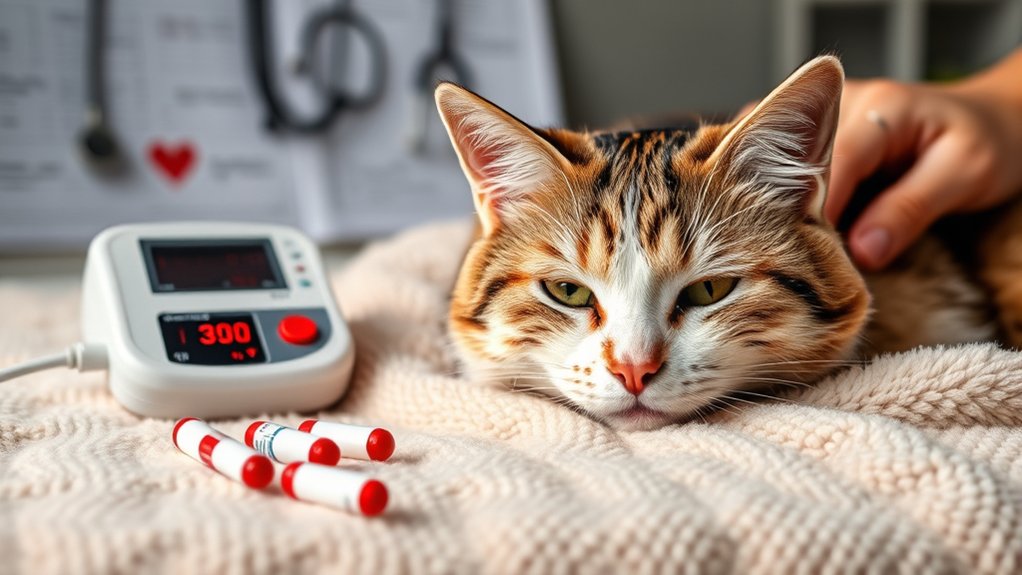
Although congestive heart failure in cats poses significant challenges, effective medical treatments can really help extend their lifespan and improve their quality of life.
Managing heart failure means taking a well-rounded approach that focuses on keeping the heart stable and reducing complications like fluid buildup.
Effective heart failure management involves stabilizing the heart and minimizing fluid-related complications.
Some key treatments include diuretics and ACE inhibitors, which help control fluid buildup and ease the heart’s workload. Taurine supplements are also important because they support the health of the heart muscle.
During acute episodes, oxygen therapy can be used to boost oxygen levels and stabilize your cat.
Plus, regular check-ups with the vet are essential to keep an eye on heart function and adjust medications as needed.
It’s all about staying on top of things to give your cat the best care possible.
Managing Symptoms at Home for a Better Quality of Life
To help your cat feel better and manage symptoms well, make sure to give their medications just as the vet prescribed.
It’s really important to stick to the schedule.
Also, keep an eye on how your cat is breathing. Normally, they take about 20 to 30 breaths per minute.
If you notice their breathing getting faster than that, it might mean their heart condition is getting worse.
Medication Administration Tips
Administering medications consistently at the same times each day helps create a routine that improves compliance and reduces stress for both you and your cat. Proper medication administration is essential in managing heart failure symptoms effectively.
To optimize care:
- Use pill pockets or flavored medications to ease oral administration.
- If pills are resisted, try a pill dispenser or crush medication with vet approval, mixing it into wet food.
- Monitor your cat closely for side effects such as lethargy or decreased appetite.
- Keep a detailed log of medication dosages, schedule, and any symptoms, sharing this with your veterinarian.
This approach guarantees accurate dosage, timely interventions, and enhances your cat’s quality of life by maintaining symptom control and minimizing complications.
It really helps keep things on track and makes the whole process less stressful for both of you.
Monitoring Respiratory Signs
Monitoring at least three key respiratory signs in cats with congestive heart failure can provide critical insights into their condition. Focus on respiratory rate. Normal is under 30 breaths per minute. Watch for labored breathing or coughing, as these may indicate fluid accumulation in the lungs.
Also, observe lethargy and decreased appetite. These can reflect a declining quality of life or worsening heart function. Keeping an eye on these signs helps you understand how your cat is doing.
Try to maintain a daily log recording respiratory rate, activity levels, and appetite. This will help you spot trends and communicate more effectively with your veterinary cardiologist.
Keeping your cat in a calm environment is important, too. It helps ensure accurate monitoring by minimizing stress-induced changes.
Consistent monitoring can catch early signs of deterioration. That way, you can make timely adjustments in care to manage symptoms and improve your cat’s comfort and longevity with congestive heart failure.
How to Know When Your Cat’s CHF Is Getting Worse
How can you tell if your cat’s congestive heart failure (CHF) is worsening? You need to closely monitor for key signs that show their heart function and quality of life might be declining.
Pay attention to increased respiratory distress, like labored breathing or persistent coughing. These can signal fluid buildup in the lungs.
Also watch for sudden lethargy, reduced appetite, or hiding. These usually reflect a drop in their overall well-being.
Look out for visible fluid accumulation, such as abdominal bloating or swollen limbs, which shows CHF progression.
Episodes of fainting or weakness are also important to note because they indicate the heart isn’t pumping blood effectively.
Regular vet check-ups are still essential. They help evaluate how your cat’s heart is doing and adjust treatments to manage CHF better.
Staying vigilant means you can provide timely care and keep your cat as comfortable as possible.
When to Consider Euthanasia for a Cat With CHF
Recognizing when congestive heart failure has progressed beyond manageable limits is a difficult but necessary step in your cat’s care.
Consider euthanasia if your cat experiences repeated respiratory distress episodes requiring emergency care. This usually indicates a severe decline in quality of life.
Repeated emergency respiratory distress signals a serious decline in your cat’s quality of life, prompting consideration of euthanasia.
Frequent fluid accumulation in the chest or abdomen causing discomfort despite treatment also warrants this consideration.
Furthermore, Aortic Thromboembolism episodes leading to sudden immobility and severe pain often signal the need to prioritize comfort through euthanasia.
When your cat consistently struggles with daily activities and shows persistent distress, it’s critical to evaluate their well-being.
Establishing a clear care plan with your veterinarian and reaching family consensus on objective euthanasia criteria guarantees compassionate decision-making. This focuses on preserving your cat’s dignity and comfort during this challenging stage.
How Regular Vet Care Improves CHF Outcomes
Because congestive heart failure in cats can change rapidly, regular veterinary care plays a crucial role in managing the condition effectively. With frequent monitoring, you can improve your cat’s quality of life and prognosis by addressing heart disease progression promptly.
Key components of regular veterinary check-ups include early detection of heart failure progression through echocardiograms, which enables timely medication adjustments. Blood tests help monitor kidney function and electrolytes, preventing complications from heart failure medications.
It’s also important to closely observe symptoms like breathing difficulty or lethargy so you can respond quickly to any changes.
Plus, working with your veterinarian to create a structured management plan helps maintain stability and prolong your cat’s survival.
Consistent monitoring and communication make sure your cat’s heart failure is managed precisely. This approach optimizes treatment outcomes and keeps your furry friend more comfortable.
Frequently Asked Questions
Can Diet Changes Improve a Cat’s Congestive Heart Failure Prognosis?
Yes, diet changes can improve your cat’s congestive heart failure prognosis. Focus on low sodium options and omega-3 fatty acids to support heart function and reduce inflammation.
Managing weight carefully is important, so think about how often you feed your cat and their fiber intake.
Keeping digestion and hydration in check matters too. Dietary supplements might help, but always keep an eye out for any food allergies.
Make sure to check in with your veterinarian regularly for advice tailored to your cat.
This way, the diet will support your cat’s unique needs and help optimize their heart health effectively.
Are There Specific Cat Breeds More Prone to CHF?
Think of genetic predisposition as a roadmap. Certain breeds like Maine Coons and Ragdolls have heart conditions mapped in their genes, making them more prone to CHF.
Age factors also play a role, as older cats face higher risks.
Veterinary insights stress early detection through breed-specific care, especially for Siamese and Burmese cats.
You should watch for common symptoms and consider lifestyle influences to manage your cat’s heart health effectively.
How Do Environmental Factors Affect a Cat’s CHF Condition?
Environmental stressors like noise pollution and temperature extremes can worsen your cat’s CHF by increasing heart strain.
Poor air quality and high humidity levels can trigger respiratory distress, so maintaining clean, well-ventilated living spaces is essential.
Limiting exercise and controlling social interactions help prevent overexertion.
Managing light exposure supports stable circadian rhythms, which reduces stress.
Keeping a close eye on these factors helps you optimize your cat’s comfort and slow CHF progression effectively.
It’s all about creating a calm, healthy environment for your furry friend.
Can Alternative Therapies Complement Traditional CHF Treatments?
Yes, alternative therapies can complement traditional CHF treatments when used under veterinary guidance.
Holistic approaches like acupuncture benefits and massage therapy may improve circulation and reduce discomfort.
Nutritional supplements support heart health, while herbal remedies require caution to avoid drug interactions.
Stress reduction techniques and homeopathy options can stabilize your cat’s condition.
Essential oils should be used carefully due to toxicity risks.
Always discuss these options with your vet to guarantee safe integration.
What Are the Costs Associated With Long-Term CHF Care for Cats?
You can expect medication expenses for feline CHF to range from $50 to $200 monthly.
Veterinary visits and diagnostic tests add $100 to $300 per appointment. Emergency treatments may exceed $1,000 during acute episodes.
Lifestyle adjustments and home care help manage symptoms, while nutritional supplements and palliative options support quality of life.
Considering insurance coverage can offset costs, but long-term CHF care often totals several thousand dollars annually.
Conclusion
Caring for a cat with congestive heart failure requires vigilance and timely action. With early diagnosis, proper medical treatment, and consistent home management, you can greatly improve your cat’s quality of life and longevity.
Regular vet visits help monitor progression and adjust care accordingly. But when symptoms worsen, how do you decide the right moment to prioritize comfort? Understanding these factors guarantees you provide the best support throughout your cat’s journey with CHF.