How Can I Rehome My Cat – Best Steps And Options
To rehome your cat responsibly, start by making sure they’re healthy with a vet check and gather all their records. Create a clear profile that highlights their personality, so potential adopters know what to expect. Then, reach out through trusted networks, social media, local shelters, or reputable rehoming websites.
Be sure to screen potential adopters carefully by asking about their experience, pet compatibility, and living situation. It’s important to find someone who will provide a loving and safe home. Prepare yourself and your cat for the emotional adjustments that come with this change.
Following these steps sets the foundation for a smooth transition. You can also explore other ways to make the process even easier and less stressful for everyone involved.
Common Reasons to Rehome Your Cat
While rehoming your cat is never an easy decision, you might find it necessary due to allergies, major life changes, or behavioral challenges.
Common reasons for rehoming a cat include family members developing allergies, relocating, or changes in work schedules that limit your ability to provide care.
Family allergies, moving, or busy schedules often lead to the difficult decision of rehoming a cat.
Behavior problems such as aggression or anxiety, especially in households with multiple pets, can also prompt this choice.
Financial struggles and health issues may make it difficult to afford food or veterinary care.
Sometimes, changes in housing or the need for a quieter environment lead you to find a home better suited for your cat’s needs.
Understanding these factors helps you approach the process thoughtfully, ensuring your cat’s well-being as you seek the right home.
Preparing Your Cat for Rehoming
Before you start looking for a new home for your cat, you’ll want to prepare them carefully to guarantee a smooth shift.
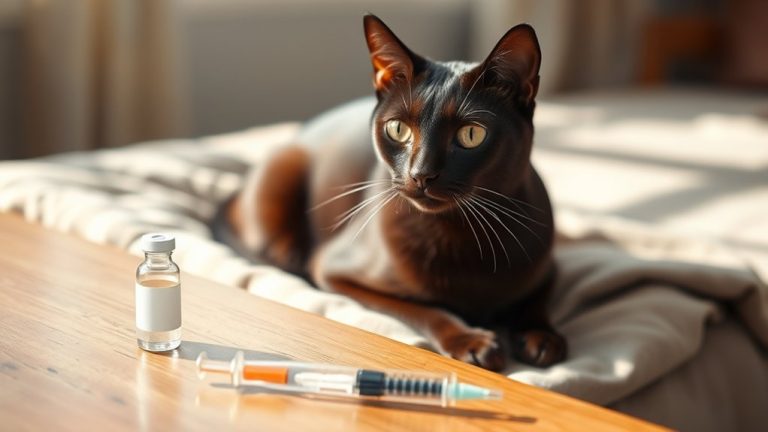
Begin by scheduling a vet checkup to confirm your cat is healthy, spayed or neutered, and up-to-date on vaccinations. Testing for FeLV and FIV is also important to share accurate health details with potential adopters.
Next, create a detailed pet profile highlighting your cat’s personality, habits, and any special needs. This helps attract suitable adopters.
Keep your cat well-groomed by brushing and trimming nails, ensuring they look their best.
Finally, gather all relevant documents, such as vet records and behavioral notes, to provide transparency.
Thoughtful preparing your cat for rehoming increases the chance of finding a loving, responsible new family. It’s all about making the process easier for both you and your cat.
Best Places to Rehome Your Cat Locally & Online
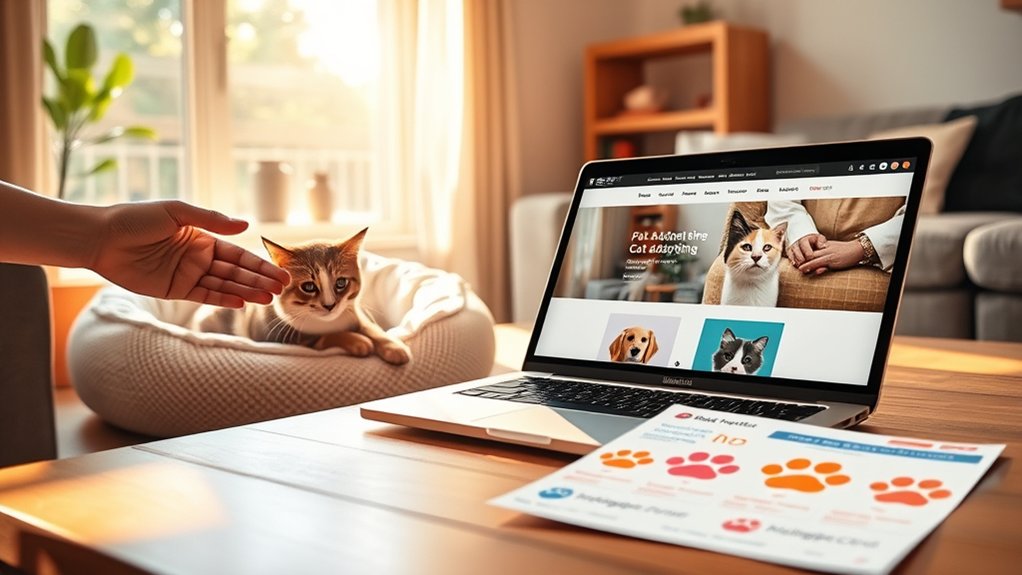
Once your cat is prepared and ready, the next step is finding the right place to rehome them. Start by reaching out to your personal network, like friends, family, and coworkers. Familiar connections often lead to a safe, loving home.
Use social media platforms like Facebook and Nextdoor to share clear photos and details. Try to target local adopters who can provide a good home. It’s a great way to reach people nearby.
Don’t overlook local animal rescues and shelters. They often have resources to support rehoming or offer temporary care. Posting flyers at veterinary clinics and pet stores can also help connect you with local animal lovers.
You might also want to consider reputable self-rehoming websites like Adopt-A-Pet’s Rehome service. It can expand your search online while keeping your cat’s best interests in mind.
How to Screen Potential Adopters Carefully
How do you guarantee your cat lands in a loving, responsible home? To screen potential adopters effectively, focus on gathering detailed information to confirm a good fit. This step is vital in cat adoption to protect your cat’s well-being and happiness.
Consider these key aspects when evaluating adopters: past pet care experience and reasons for wanting a cat.
Also, the current pets’ health and compatibility with a new cat. Don’t forget about the living situation, including home ownership and pet policies.
Request references and, if possible, conduct a home check to verify the environment.
It’s also important to find out how many hours the cat will be alone daily, as this impacts its adjustment.
Key Questions to Ask Potential Cat Owners
As you evaluate potential adopters, asking the right questions helps you understand if they can provide a safe, loving home for your cat. When you rehome your cat, it’s crucial to explore their pet experience, living situation, and daily routine. This guarantees your cat’s needs align with their lifestyle.
Use the table below to guide your inquiries:
| Question | Purpose |
|---|---|
| Previous pet experience? | Gauge caregiving capability |
| Other pets at home? | Check compatibility and health |
| Rent or own home? | Understand pet policies |
| Willingness to provide references? | Verify reliability and safety |
| Hours cat will be alone? | Assess social needs fulfillment |
These questions help you find responsible potential adopters who can create a loving, stable home for your cat.
Special Cases: Kittens, Seniors & Behavior Issues
Because kittens, senior cats, and those with behavior issues have unique needs, rehoming them requires extra care and consideration. You’ll want to guarantee kittens receive veterinary checks and are spayed or neutered before adoption to safeguard their health and improve their chances.
Seniors often need more patience, as finding the right adopters who appreciate older pets can take longer.
For cats with behavior issues, being honest about their challenges is super important. Screening potential adopters helps make sure they’ll provide a supportive environment.
Keep bonded cats together to minimize stress and prevent anxiety or behavior problems.
Keeping bonded cats together helps reduce stress and avoids anxiety or behavior issues during rehoming.
Address underlying causes of behavior issues before rehoming.
Try to reach out to adopters who’ve experience with seniors or special needs cats. Taking these steps guarantees a smoother changeover for your cat in these special cases.
Using Online Platforms & Community Networks to Find a Home
You can boost your cat’s chances of finding a loving home by tapping into social media and local community networks.
Sharing photos and stories on platforms like Facebook or Nextdoor is a great way to connect with potential adopters nearby.
And don’t forget to get involved with local groups and hand out flyers.
This helps you reach people who really care about pets in your area and might be the perfect match for your furry friend.
Leveraging Social Media
Where can you turn to find the perfect new home for your cat? Leveraging social media is a powerful way to reach a wide network and increase your chances of finding a new home for homeless pets. You can use platforms like Facebook and Nextdoor to post engaging photos and descriptions that showcase your cat’s personality.
Here’s how to maximize your efforts: Join pet rehoming groups where active adopters look for cats to foster or adopt. Craft detailed posts highlighting your cat’s traits and any special needs to attract genuine interest.
Ask friends and family to share your posts to expand your reach and connect with potential adopters quickly. Stay responsive to inquiries to keep potential adopters engaged and guarantee a smooth rehoming process.
It really helps to keep the conversation going so people feel confident about adopting your cat.
Engaging Local Communities
Although finding the perfect new home for your cat can feel overwhelming, engaging with local communities offers effective opportunities to connect with caring adopters nearby.
Start by using local social media platforms like Facebook and Nextdoor to share your cat’s profile. Create engaging posts with clear photos and detailed descriptions that highlight your cat’s personality and needs.
Joining community pet rehoming groups expands your reach and provides support from fellow pet owners.
Don’t forget traditional methods. Distribute flyers at veterinary clinics, pet stores, and community centers to increase visibility. Also, leverage word-of-mouth by asking friends, family, and co-workers to help spread the word.
By engaging local communities this way, you can rehome a cat with love and care, ensuring your pet finds a safe, nurturing environment.
It really makes the process easier and more rewarding for everyone involved.
What to Expect After Rehoming Your Cat
When you rehome your cat, expect a period of adjustment both for your pet and yourself. You’ll likely experience mixed feelings as you adapt to their absence and wonder how they’re settling in.
Your cat may also need time to acclimate to their new surroundings, which can show through changes in behavior.
Here’s what to expect after rehoming your cat:
Your cat might initially hide or be less active as they adjust.
Expect your cat to hide or slow down as they settle into their new home.
Changes in eating or vocalization can indicate they miss their old home.
New adopters may provide updates, but it’s important to respect their privacy and boundaries.
Maintaining a connection with the new owners can help ease your worries and make sure your cat is doing well during this shift.
Frequently Asked Questions
Can I Rehome My Cat Without the New Owner Paying a Fee?
Yes, you can definitely rehome your cat without charging adoption fees. Many rehome options focus on owner responsibilities rather than monetary exchange. This helps ensure your cat finds a loving home quickly.
Waiving fees often attracts more responsible adopters who really value the commitment involved.
Just be sure to share your cat’s medical records and personality details. This way, new owners understand their responsibilities and can provide the best care.
How Do I Handle Vet Records During the Rehoming Process?
You should handle vet record transfer carefully by providing the new owner with a complete copy, including vaccination history and spaying/neutering certificates.
Make certain records are up-to-date by visiting your vet before rehoming.
Be transparent about any medical issues and ongoing treatments to guarantee your cat’s health continues smoothly.
Including a brief medical summary alongside the records helps the new owner understand your cat’s needs and build trust.
What Legal Documents Should I Prepare When Rehoming My Cat?
You should prepare an adoption agreement that clearly outlines care expectations and ownership transfer to protect both you and the new owner.
Include a liability waiver to limit your responsibility once the cat is rehomed.
Also, gather veterinary records and create a microchip transfer form if applicable.
These documents guarantee the process is legal, transparent, and supports your cat’s well-being in their new home.
Taking these steps helps make sure everyone is on the same page and your cat is set up for a happy life ahead.
Can I Set Conditions for the Cat’s Future Care After Rehoming?
Yes, you can set conditions for your cat’s future care by including them in a clear rehoming agreement. This helps guarantee responsible ownership by outlining expectations like indoor living or regular vet visits.
Though enforcing these terms can be tricky after rehoming, choosing a committed adopter who shares your values increases the chances your cat will receive the care it deserves.
Keep communication open for updates, but also respect privacy.
It’s all about making sure your cat stays happy and healthy, even when they’re with someone new.
How Do I Emotionally Cope With Rehoming My Beloved Pet?
You’ll navigate the grieving process by allowing yourself to feel sadness without judgment.
Creating memories, like a photo book, honors your bond and eases the change.
Finding support from friends, family, or pet loss groups helps you share feelings and feel understood.
Focus on self-care and the positive outcome for your cat’s future.
This balanced approach helps you cope emotionally while respecting your love and loss.
It’s okay to take it one day at a time.
Conclusion
Rehoming your cat is like opening a new chapter filled with hope and comfort. Picture your furry friend settling into a warm, loving home where their purrs bring joy and safety. By preparing carefully, screening adopters thoughtfully, and using trusted platforms, you’re ensuring a smooth shift.
Though saying goodbye is tough, you’re creating a brighter future for your cat. It’s a future filled with kindness, care, and the happiness they deserve.