How Can You Tell If A Cat Loves You – Signs To Look For
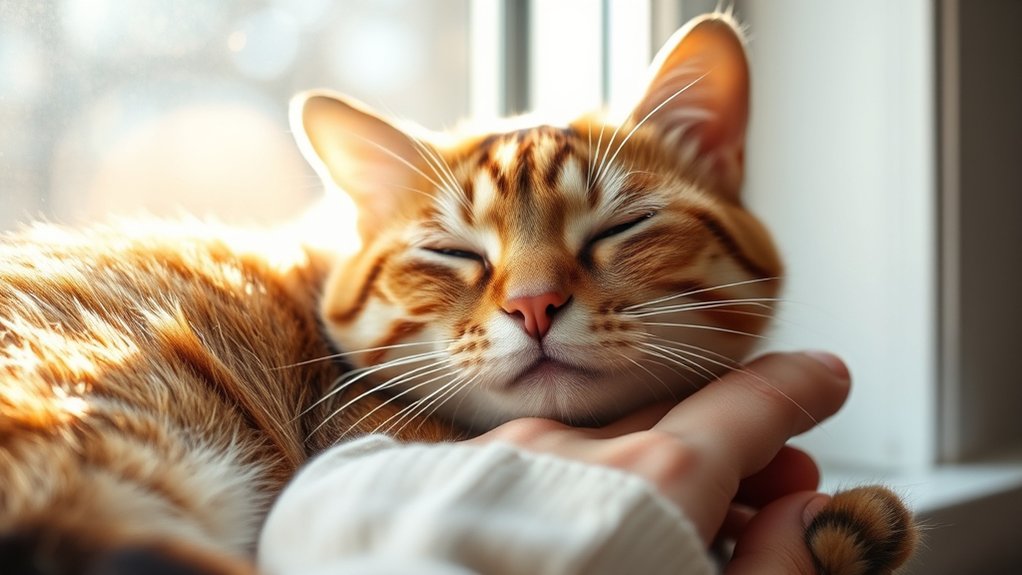
You can tell your cat loves you through gentle signs like slow blinking, which shows trust and affection. Soft vocalizations such as purrs or chirps also express contentment. Warm body language, like an upright tail or rolling to expose their belly, signals comfort.
Physical gestures like headbutting, kneading, and sleeping near you reveal deep bonds. When your cat follows you or brings gifts, they’re showing attachment and pride. It’s pretty amazing how these little actions speak volumes, right?
Discover how to nurture and deepen this special connection. With a bit of attention and care, your bond can grow even stronger.
How Cats Show Love Through Eye Contact and Slow Blinking
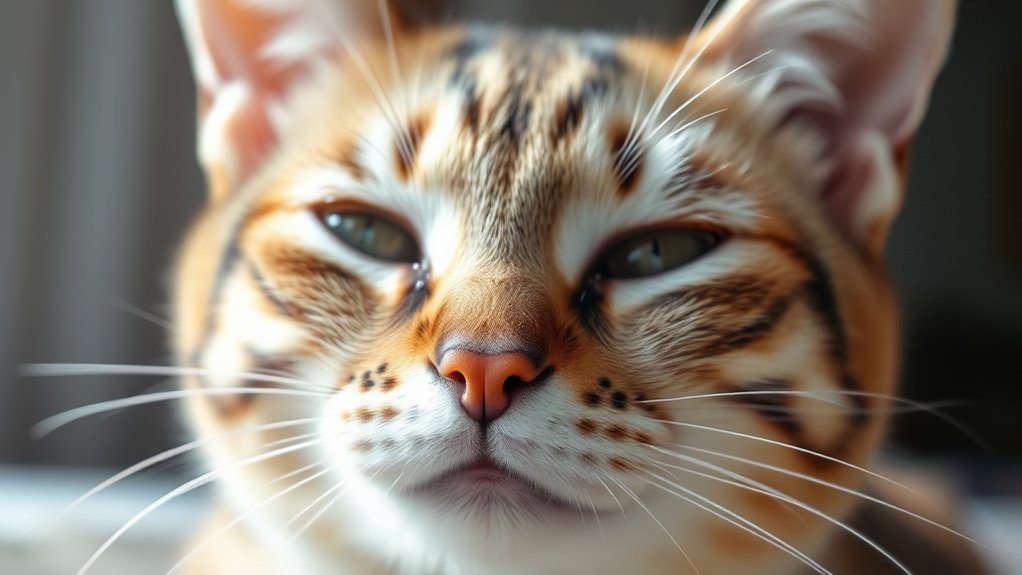
Although cats are often seen as independent creatures, their use of eye contact reveals deep affection and trust. When your cat holds prolonged eye contact with you, it’s a clear sign of affection, showing they feel comfortable and safe.
Slow blinking, in particular, is like a gentle kiss from your cat. When they stare at you and slowly close their eyes, they’re expressing love and security. This slow blinking is a unique, nonverbal way cats communicate their fondness.
You can strengthen this bond by slow blinking back, creating mutual understanding.
How Cats Greet You and Show Attachment
When you come home, your cat’s enthusiastic greeting at the door shows more than just excitement. It reveals a strong bond and attachment to you.
Cats use specific body language to greet you, like an upright tail signaling happiness and trust. This posture means they feel safe and keen to connect.
They might follow you from room to room, showing their need for companionship and curiosity about what you’re doing. While vocalizations help express affection, their body language during greetings is a clear sign of attachment.
Paying attention to these behaviors helps you understand how much your cat values your presence and feels secure around you. It deepens your mutual bond.
Recognizing these signs makes sure you don’t miss how your cat shows love through daily greetings.
What Your Cat’s Vocalizations Say About Their Love
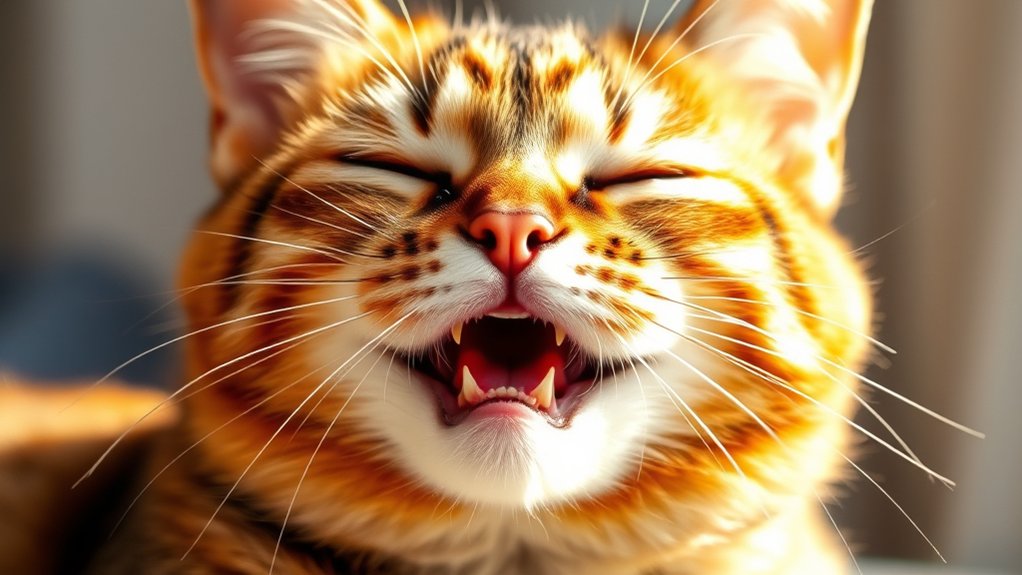
Many cat owners find that their pets use a variety of vocalizations to express affection and strengthen their bond. When your cat softly meows or purrs while relaxed, it’s a clear sign of contentment and love.
Chirps or trills often greet you, showing excitement and affection as they connect with you.
If your cat increases their vocalizations to seek your attention, they’re expressing a desire for interaction, emphasizing their attachment. Longer meows directed at you indicate trust, as your cat feels comfortable communicating their needs and desires.
Understanding these vocal cues helps you recognize the unique way your cat expresses affection, deepening the bond and mutual trust between you.
Paying attention to vocalizations reveals how much your cat truly loves and trusts you. It’s pretty amazing how much they say without words, isn’t it?
Keep listening, and you’ll keep discovering new ways your cat shows they care.
Tail and Body Language Signs Your Cat Loves You
Understanding your cat’s vocalizations is just one part of recognizing their affection. Their tail and body language provide clear signs of trust and love.
Here are three key signals to watch for:
- A tail held upright in a gentle C-shape shows happiness and comfort. It means your cat feels secure around you.
- Slow blinking is a tender gesture, similar to a kiss. You can return it to deepen your bond.
- When your cat rolls onto its back, exposing its belly, it’s a rare display of trust. This invites gentle interaction.
Pay attention to these body language cues. They reveal your cat’s affection beyond words and help you understand their feelings better.
Physical Signs of Cat Affection: Headbutts and Kneading
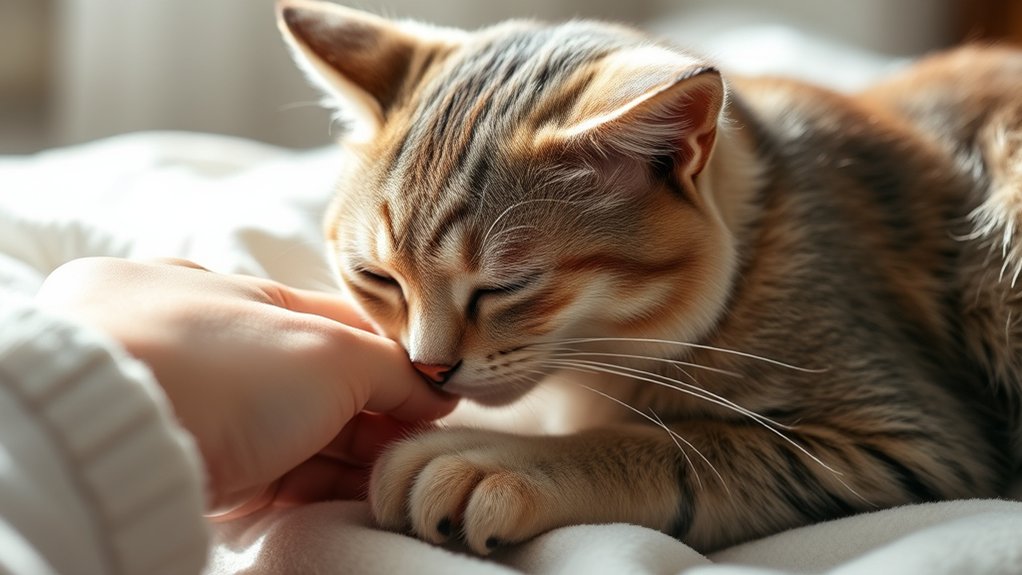
When your cat gently headbutts you, they’re marking you with their scent as a way of showing trust and affection. It’s like their way of saying, “You’re mine.”
And then there’s kneading — those soft, rhythmic paw motions. When your cat does that, it means they feel safe and really comforted around you.
Meaning Behind Headbutts
Headbutting, also called bunting, is your cat’s way of marking you with their unique scent, signaling affection and a sense of ownership.
When your cat headbutts you, it’s more than just a cute gesture. It shows they trust you deeply and feel safe in your presence.
This intimate behavior reveals their comfort and emotional bond with you.
Here’s what headbutting means for your relationship:
- Marking Territory: Your cat uses scent glands on their head to claim you as part of their family.
- Expressing Trust: They only engage in headbutting when they feel secure around you.
- Showing Affection: It’s a loving action that strengthens your bond.
Recognizing these signs helps you appreciate your cat’s unique way of saying “I love you.”
Significance Of Kneading
Alongside headbutting, kneading stands out as a clear sign your cat feels safe and loved with you.
Kneading, often called “making biscuits,” is a behavior rooted in kittenhood, where cats push their paws alternately against a soft surface. This instinct comes from stimulating milk flow from their mother, linking kneading to feelings of comfort and security.
When your cat kneads on your lap or during cuddles, they’re showing affection and trust.
Often paired with purring, kneading is a strong sign of love that highlights your cat’s contentment and desire for closeness.
Gift-Giving and Play: Signs Your Cat Loves You
When your cat brings you a toy or even a caught critter, they’re sharing something meaningful. It’s their way of showing trust and pride.
And when they playfully nibble or pounce on you, it’s a sign they enjoy your company and see you as a companion.
Meaning Behind Gifts
Many cats express their affection by bringing you gifts, whether it’s a caught prey, a favorite toy, or even an unexpected household item.
These gifts carry deep meaning, showing your cat’s trust and love.
When your cat presents something, it’s a sign they see you as family.
Here’s what these gifts mean:
- Sharing prey or toys reflects their pride and desire to provide for you.
- Bringing unusual household items highlights their unique personality and playful love.
- Offering a gift invites interaction, strengthening your bond.
Playful Affection Signals
Three key playful behaviors reveal your cat’s affection: playful biting, gift-giving, and initiating play.
When your cat engages in gentle playful biting, it shows they feel safe and comfortable around you. They’re expressing trust through this affectionate gesture.
Gift-giving behaviors, like bringing you toys or even “prey,” are your cat’s way of sharing and showing love. This is rooted in their natural instincts. It’s pretty sweet when you think about it.
Furthermore, when cats initiate play, they’re inviting interaction, which strengthens your emotional bond.
Watching your cat chase or pounce on toys in your presence is their way of connecting and sharing joyful moments. By playing together daily, you not only stimulate their mind but also deepen the affectionate relationship you share through these playful signals.
Why Sleeping Near You and Lap Sitting Show Trust
Because cats are naturally cautious animals, choosing to sleep near you or sit on your lap signals a deep level of trust and comfort. When your cat engages in sleeping near you or lap sitting, it’s a clear sign of trust and affection.
Cats sleeping near you or sitting on your lap show profound trust and heartfelt affection.
Here’s why these behaviors matter:
- Safety: Cats feel secure enough to rest deeply close to you, showing they trust you won’t harm them.
- Warmth and Comfort: Lap sitting offers both physical warmth and emotional reassurance, creating a cozy bond.
- Emotional Connection: These acts strengthen your bond, as cats seek companionship during vulnerable moments.
How to Strengthen Your Bond and Encourage Affection
When your cat chooses to sleep near you or sit on your lap, it opens a path to deepen your connection even further.
To strengthen your bond and encourage affection, show love and trust through consistent, gentle actions. Engage in daily playtime with interactive toys to create positive associations.
Use slow blinking to communicate affection. When you reciprocate, your cat will feel comfortable and more emotionally connected.
Establish a predictable routine for feeding and play, which fosters security and trust.
Always respect your cat’s personal space and let them initiate contact so they feel safe and in control.
Frequently Asked Questions
Can a Cat Love More Than One Person Equally?
Yes, your cat can bond and show love to more than one person equally. Feline behavior varies, and cats express love uniquely with each individual.
They use different love expressions like head-butting, purring, or slow blinking.
You’ll notice your cat’s affection shifts depending on the relationship, but that doesn’t mean they love one less.
Understanding these nuances helps you appreciate how deeply your cat values multiple bonds in its life.
Do All Cat Breeds Show Affection the Same Way?
No, you won’t see all cat breeds show affection the same way.
Breed behaviors vary widely, and affection differences depend on personality traits unique to each cat. Some cats, like Siamese, seek constant cuddles, while Bengals might prefer playful distance.
Understanding these breed-specific behaviors helps you recognize love’s many forms.
How Does a Cat’s Age Affect Their Display of Love?
You’ll notice kitten affection is playful and loud, with lots of purring and antics.
As cats mature, their adult behavior shifts to more vocal attention and interactive play, showing love actively.
When your cat becomes a senior, their bonding becomes gentler. They’ll cuddle more and groom you softly, seeking calm comfort.
Understanding these age-related changes helps you appreciate how your cat expresses love differently throughout their life stages.
Can a Cat Love Someone Who Isn’T Their Primary Caregiver?
Yes, a cat can definitely show feline loyalty to someone who isn’t their primary caregiver. You’ll notice affection signals like purring, slow blinking, and headbutting when your bond strengthens.
Cats build caregiver bonds through consistent positive interactions, so spending quality time helps.
They often express love by bringing gifts or seeking attention, showing their trust and affection extend beyond just one person.
You can earn a cat’s love with patience and kindness. It really comes down to building trust and sharing good moments together.
Do Rescued or Stray Cats Show Love Differently Than Pets?
You might notice a rescued cat’s love isn’t loud. It’s in the quiet moments of rescue behavior, like a slow blink or a hesitant nuzzle.
Stray attachment builds slowly, through trust development that takes patience.
Instead of jumping into your lap, they’ll inch closer, showing their affection with subtle gestures and protective following.
Understanding this unique love language means watching carefully. You learn to appreciate their cautious but genuine bond with you.
Conclusion
If you’ve noticed your cat’s slow blinks, gentle headbutts, or playful gifts, you’re witnessing their way of saying, “I love you.” These subtle signs speak louder than words, showing trust and affection in every purr and knead.
Remember, building this bond is like tending a delicate garden. Patience and care will help your connection bloom. So, keep observing and cherishing those moments.
Your cat’s love is closer than you think.