Why Does My Cat Drool When I Pet Him – Reasons Explained
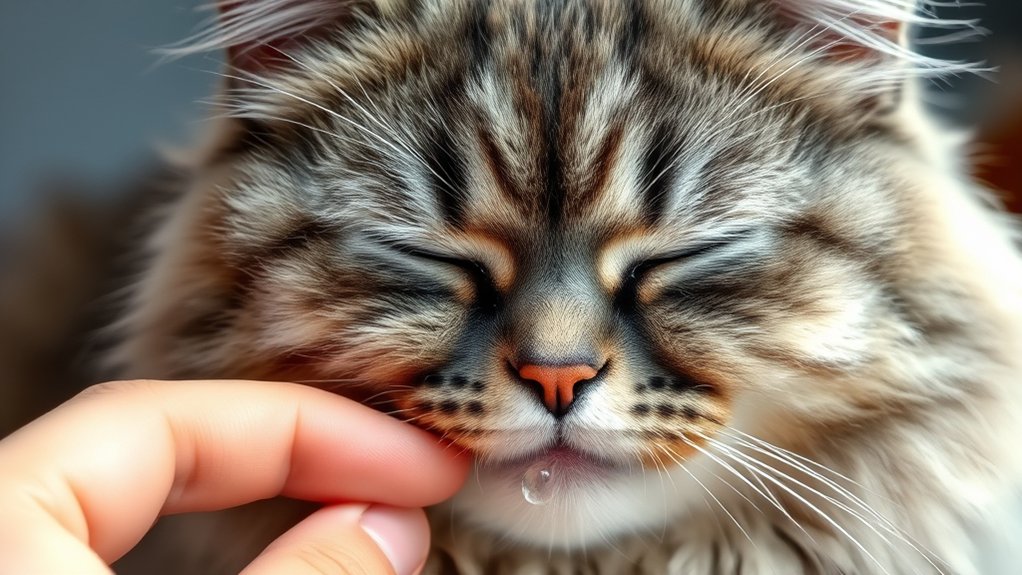
Your cat drools when you pet him because he feels relaxed and happy. It’s a response caused by endorphins released during enjoyable interactions. This drooling often shows deep contentment and trust.
However, if drooling is excessive or sudden, it could signal dental problems, nausea, or exposure to irritants. Regular oral care helps prevent issues. So, keeping an eye on your cat’s mouth is a good idea.
Understanding these signs can help you tell the difference between normal drooling and potential health concerns. That way, you can make sure your cat stays happy and healthy.
Drooling During Petting: What It Means
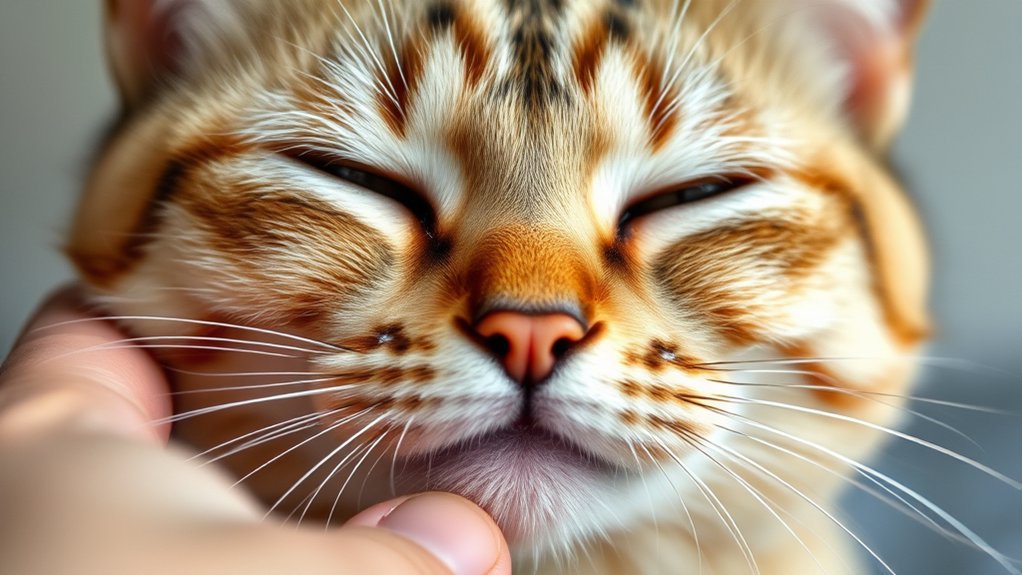
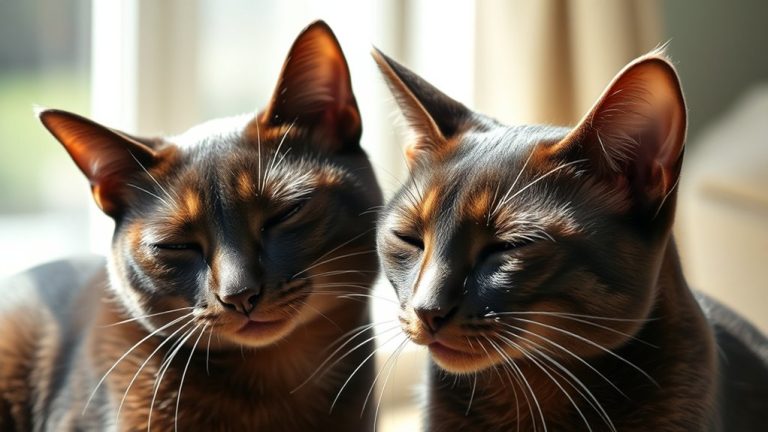
Why does your cat drool when you pet them? Cat drooling during petting often signals that your cat is feeling content and relaxed. This response happens because endorphins are released, which calm the cat and cause their jaw and lips to relax.
Some breeds, like Bengals, are more prone to drooling when they’re deeply satisfied. Increased saliva production comes with this relaxed state, making drooling a normal behavior in these moments.
But it’s important to keep an eye on the context of the drooling. If the drooling is excessive or comes with signs of distress, your cat might be dealing with health issues that need checking out.
In those cases, talking to veterinary medicine professionals ensures your cat stays well and any problems get handled quickly.
Relaxation and Happiness as Triggers for Drooling
When your cat feels content and relaxed, their body often responds by producing more saliva, which can lead to drooling.
It’s kind of like how we might breathe a little easier or smile when we’re calm and happy. This happens because a relaxed jaw and the release of calming endorphins trigger this natural response.
So, when you notice your kitty drooling during those quiet, peaceful moments, it’s a good sign they’re feeling really happy and comfortable.
Recognizing these little signs can help you understand just how much your cat is enjoying the time you spend together.
Contentment-Induced Salivation
Although it might surprise you, your cat’s drooling during petting sessions often signals deep relaxation and happiness rather than discomfort. When you notice drooling when I pet, it’s usually because your cat feels happy and relaxed, making this behavior completely normal.
This contentment-induced salivation happens because pleasurable interactions trigger the release of endorphins, which then stimulate increased saliva production.
Cats often drool when they’re curled up comfortably or kneading, showing they’re blissful and at ease.
Breeds like Bengals commonly show this trait, reflecting their strong bond with human companions.
So, if your feline friend drools while you’re petting them, it’s a positive sign of trust and affection, not something to worry about.
It’s simply their way of expressing contentment during those special moments.
Relaxed Jaw Effects
Because your cat’s jaw and lips relax during moments of happiness, saliva can build up and cause drooling. When your cat is drooling while being petted, it’s often due to the release of endorphins that promote relaxation and contentment.
This relaxed state affects the cat’s mouth, leading to an overproduction of saliva.
Drooling is normal in these situations and signals that your cat feels safe and loved. If you notice your cat is drooling occasionally during affectionate moments, it’s usually a positive sign of emotional well-being.
Understanding that drooling can be a natural response to happiness helps you recognize when your cat is comfortable, making the experience enjoyable for both of you.
Fear and Anxiety-Related Drooling in Cats
You might notice your cat drooling more during stressful events, like car rides or vet visits.
This is often linked to anxiety-induced salivation. Basically, when your cat feels stressed, their body releases hormones that boost saliva production.
Knowing this can help you figure out when drooling is a sign of fear or anxiety, instead of just normal behavior.
Anxiety-Induced Salivation
When cats face stressful situations like car rides or vet visits, their bodies often respond by producing excess saliva, leading to anxiety-induced drooling.
This physiological reaction is triggered by elevated stress hormones and can accompany signs such as flattened ears and restlessness. If your cat drools under these conditions, it’s a clear indication of fear and anxiety rather than a medical issue.
To help manage anxiety-induced drooling, consider these steps:
- Use behavioral modification techniques like gradual desensitization to reduce your cat’s stress.
- Monitor your cat’s reactions during vet visits to identify triggers.
- Consult your veterinarian if drooling persists or worsens, as professional guidance or medication might be necessary.
Addressing anxiety proactively improves your cat’s comfort and well-being.
It’s all about making your furry friend feel safe and calm.
Stressful Situations Impact
Although drooling in cats often signals a health issue, stress and anxiety can also trigger this response through the release of stress hormones that increase saliva production.
In stressful situations like car rides or vet visits, your cat may exhibit anxiety-related excessive drooling, often alongside signs such as vocalizing or flattened ears.
This drooling reflects their discomfort in unfamiliar or threatening environments. It’s important to monitor the context and duration of drooling. Persistent or unexplained salivation following a stressful event might indicate an underlying health problem.
To help reduce anxiety-related drooling, you can apply behavioral modification techniques like gradual desensitization to these stress-inducing situations.
Understanding this connection helps you better support your cat’s emotional and physical well-being during challenging moments.
How to Tell Normal Drooling From a Health Problem
How can you distinguish between normal drooling and signs of a health problem in your cat? Understanding your cat’s drooling patterns is key.
Normal drooling usually happens during relaxation or happiness, often with purring and kneading.
Normal drooling often occurs when your cat is relaxed and content, accompanied by purring and kneading.
Abnormal drooling, however, may signal issues like dental disease or other health concerns.
Watch for these signs:
- Excessive or sudden drooling that doesn’t relate to relaxation or stress.
- Drooling accompanied by bad breath, lethargy, or difficulty eating.
- Persistent drooling without an obvious cause, requiring veterinary evaluation.
Dental Issues That Cause Excessive Drooling
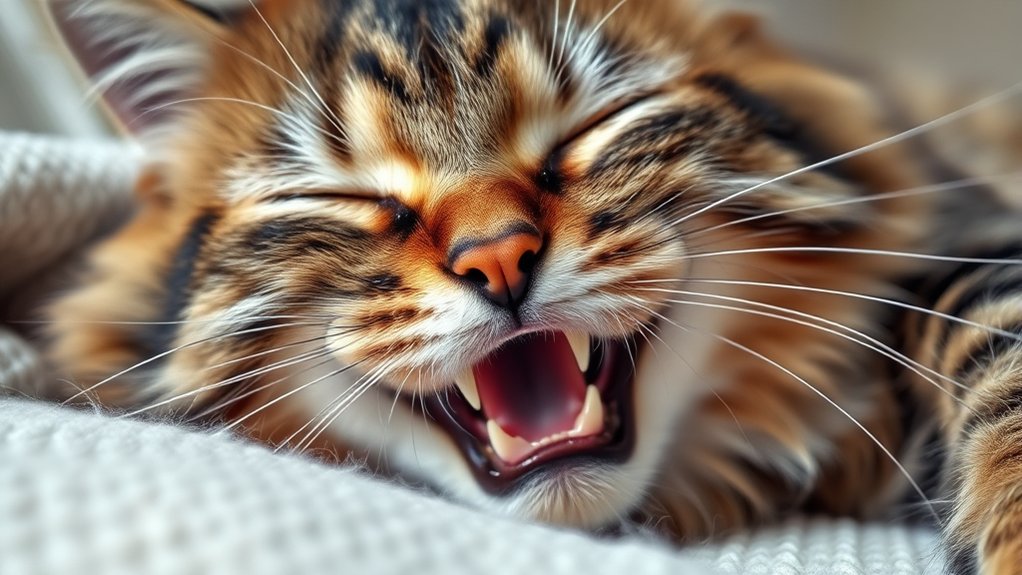
You should keep an eye out for common dental problems like gingivitis and tooth decay because they often cause your cat to drool more than usual.
If you notice bad breath, your cat having trouble eating, or pawing at their mouth, these could be signs of oral pain.
Catching these symptoms early means you can get your cat to the vet sooner and help prevent any bigger issues down the road.
Common Dental Problems
Dental issues rank among the most common causes of excessive drooling in cats, especially as they age. Over 80% of cats older than three years develop dental disease, which often leads to discomfort and increased saliva production.
When you examine your cat’s teeth, be aware of these common dental problems:
- Gingivitis – inflammation of the gums causing irritation and drooling.
- Periodontal disease – infection of tissues supporting teeth, leading to pain and saliva buildup.
- Oral tumors – less frequent but can obstruct swallowing, resulting in drooling.
Regular professional cleanings and dental checkups are essential to detect and manage these issues early.
Signs Of Oral Pain
What signs should you watch for when your cat is experiencing oral pain? If your cat drools excessively, it could be a sign that your cat is suffering from dental disease. Over 80% of cats over three years old develop dental issues, often causing discomfort that triggers drooling.
Look for symptoms like bad breath, blood-tinged saliva, and a decreased appetite. Your cat may paw at its mouth or avoid hard food, indicating pain.
Oral conditions such as gingivitis, tooth decay, or even foreign objects lodged in the mouth can irritate tissues and increase salivation.
Recognizing these signs early is vital for prompt treatment to relieve your cat’s pain and prevent further complications associated with dental disease.
Respiratory Problems Affecting Cat Drooling
Although drooling is often linked to dental issues, respiratory problems can also cause your cat to salivate excessively. When your cat has trouble breathing or a stuffy nose, drooling might happen because they’re uncomfortable or having a hard time swallowing. These kinds of problems usually need a vet’s attention to stop things from getting worse.
Some key respiratory causes of drooling include:
- Feline asthma or chronic bronchitis, which can cause coughing and stress that leads to drooling.
- Infections like feline calicivirus, which create sores in the mouth and make your cat produce more saliva.
- Nasal congestion that makes swallowing tough, so saliva builds up in the mouth.
If your cat is drooling and also showing signs of breathing problems, it’s best to see the vet quickly. That way, they can find out what’s going on and help your furry friend feel better.
Nausea, Motion Sickness, and Drooling
When your cat feels nauseous, whether from illness or motion sickness, drooling often increases as a natural response to the discomfort. Nausea triggers your cat’s body to prepare for potential vomiting, which stimulates excessive salivation.
You might notice restlessness or unusual meowing alongside drooling.
During travel, motion sickness can cause disorientation by affecting the vestibular system, leading to increased drooling as your cat experiences stress and imbalance.
If your cat avoids food or shows signs of discomfort, nausea could be the culprit behind the drooling.
Monitoring drooling patterns related to car rides or changes in routine helps you identify motion sickness early.
Addressing these causes promptly guarantees your cat’s comfort and well-being during stressful situations.
How Catnip, Medications, and Toxins Influence Drooling
Because catnip, medications, and toxins can directly affect your cat’s nervous system and oral health, they often lead to noticeable drooling.
Understanding how these factors influence drooling helps you keep an eye on your cat’s well-being.
Catnip triggers euphoria, making your cat relaxed and happy. This can increase drooling during play or interaction.
Some medications have unpleasant tastes or side effects that cause nausea or oral irritation. This results in excessive saliva production.
Also, certain drugs that affect the nervous system may stimulate drooling.
Exposure to household chemicals or poisonous plants can irritate your cat’s mouth. That irritation leads to excessive salivation and drooling.
Recognizing these causes helps you figure out when drooling might signal a health or behavioral issue in your cat.
Preventing Drooling With Good Oral and Overall Care
To prevent drooling caused by oral health issues, you should prioritize regular dental care and maintain your cat’s overall wellness. Preventing dental issues through consistent oral hygiene and routine wellness visits helps detect problems early. This way, you can reduce the risks of drooling.
You can support this by brushing your cat’s teeth and providing vet-approved dental rinses. Safe chew toys that promote dental health are also a great idea. Plus, keep your cat’s environment toxin-free to avoid mouth irritation that triggers drooling.
| Action | Benefit |
|---|---|
| Regular dental checkups | Early detection of dental disease |
| Tooth brushing | Maintains oral hygiene |
| Vet-approved dental rinses | Supports gum health |
| Safe chew toys | Prevents dental issues |
| Routine wellness visits | Monitors overall health status |
When to See a Vet About Your Cat’s Drooling
How do you know if your cat’s drooling signals a serious problem? You should see a vet if the drool is new, excessive, or paired with troubling symptoms like lethargy or loss of appetite.
Also, watch for bad breath or pawing at the mouth, which often indicate dental disease.
Bad breath or pawing at the mouth often signal dental disease in cats.
Here are three key reasons to consult your vet:
- Sudden or unusual drooling, especially after potential toxin exposure.
- Drooling with additional signs such as difficulty breathing or lethargy.
- Drooling during stressful events, suggesting anxiety that requires professional evaluation.
Regular vet checkups help monitor drooling and catch underlying issues early.
Don’t ignore changes in your cat’s drool. They can be a crucial clue to their health.
Frequently Asked Questions
Can Certain Cat Breeds Drool More Than Others?
Yes, certain cat breeds drool more than others due to breeds comparison revealing genetic factors influencing drooling behavior.
For example, Bengals and Persians often drool more because of their unique genetics and facial structure.
Understanding these genetic factors helps explain why some cats naturally exhibit more drooling behavior.
However, individual variations exist, so while breed plays a role, you should also consider your cat’s health and emotional state for a complete picture.
Does Drooling Affect a Cat’s Grooming Habits?
About 40% of cats that drool excessively show changes in their grooming techniques.
You’ll notice drooling can disrupt your cat’s grooming habits by making their fur damp and uncomfortable. This wetness may lead to less frequent grooming, which can affect their usual behavior.
Plus, drooling often signals dental health issues. These problems can cause pain that discourages your cat from grooming thoroughly.
Is Drooling Linked to a Cat’s Diet or Hydration?
Yes, drooling is linked to your cat’s dietary impact and hydration levels. If your cat’s food contains ingredients causing food allergies or irritations, drooling may increase.
Dehydration thickens saliva, prompting drooling as the body tries to stay moist. Feeding wet food helps maintain hydration and reduces drooling related to dry mouth.
Monitoring diet changes closely can prevent allergic reactions or discomfort that trigger excessive salivation in your cat. So, keeping an eye on what your cat eats and drinks really makes a difference.
Can Stress From Other Pets Cause Drooling?
Imagine a crowded subway during rush hour. Everyone’s tense, and small annoyances trigger big reactions.
Similarly, stress triggers in your cat, like other pets, can disrupt feline behavior.
When social dynamics shift, your cat might drool as a stress response. This signals anxiety or feeling overwhelmed. Recognizing these signs helps you manage their environment better.
Does Age Influence How Much a Cat Drools?
Yes, age influences how much your cat drools. Age-related factors like dental disease become more common as cats get older, leading to increased drooling.
Health conditions such as arthritis or oral pain in senior cats can also affect grooming, causing drooling.
Plus, emotional responses like stress or pleasure may trigger drooling in cats of any age.
But age-related health issues often make it more noticeable in older cats. So, you might see more drooling as your kitty gets up there in years.
Conclusion
When your cat drools as you pet him, it’s often a sign of pure contentment, like a gentle purr paired with a warm nuzzle. It shows he’s feeling relaxed and happy.
But if you notice drooling along with other signs like bad breath or lethargy, it could hint at dental or health issues. So, it’s good to keep an eye on any changes in his behavior or appearance.
By maintaining good oral care and staying alert to these changes, you’ll help make sure those peaceful drooling moments stay a happy thing, not something to worry about.