Can Cats Get Kennel Cough – Symptoms And Treatment
Yes, cats can get kennel cough, a contagious respiratory infection mainly caused by Bordetella bronchiseptica. You’ll notice a persistent, dry cough, sneezing, nasal discharge, lethargy, and sometimes fever.
Treatment usually includes antibiotics for secondary infections and supportive care like hydration and humidity. It’s important to seek veterinary advice early to avoid complications.
There are also ways to recognize severe symptoms and steps you can take to prevent and manage this illness in your home. So, if your cat shows signs, don’t wait to get help!
What Is Kennel Cough in Cats and How Common Is It
Although kennel cough is more commonly associated with dogs, cats can also contract this highly contagious respiratory infection. It’s primarily caused by the bacterium Bordetella bronchiseptica.
You should know that kennel cough in cats is less common, especially in adults. But young kittens and immunocompromised cats are more vulnerable to severe illness.
The symptoms of kennel cough typically include a persistent dry cough, sneezing, nasal discharge, lethargy, and sometimes a mild fever.
Because it spreads easily among animals in close contact, you need to be cautious in multi-pet environments or shelters.
Recognizing that Bordetella bronchiseptica is the main culprit helps you understand why early veterinary assessment is essential for proper diagnosis and treatment.
This way, your cat can recover quickly and comfortably.
How to Spot Kennel Cough Symptoms in Your Cat
You’ll want to watch for a persistent, dry cough that might get worse when your cat is active.
Along with that, sneezing and nasal discharge are key signs to keep an eye on.
If you notice your cat seems lethargic, isn’t eating as much, or has a fever, these could mean it’s time to see the vet.
Knowing what to look for helps you figure out when your furry friend needs some extra care.
Recognizing Common Symptoms
Recognizing the five most common symptoms of kennel cough in your cat can help you act quickly to guarantee their well-being. Watch for a persistent, dry cough, often worsening with activity.
Sneezing and nasal discharge may follow. It usually starts clear and can turn yellow or green.
Lethargy and decreased appetite signal discomfort. Fever can indicate a severe infection needing prompt veterinary care.
| Symptom | Description | Action Needed |
|---|---|---|
| Persistent Cough | Dry, worsening with activity | Monitor and consult vet |
| Sneezing | Frequent nasal irritation | Note onset and severity |
| Nasal Discharge | Clear to yellow/green mucus | Report changes to vet |
| Lethargy | Low energy, reduced activity | Maintain rest and vet check |
| Fever | Elevated body temperature | Seek immediate veterinary care |
Early symptom recognition is key to effective treatment. So, keep an eye out and don’t hesitate to get your cat checked if you notice any of these signs.
Cough Characteristics Explained
Knowing the common symptoms of kennel cough sets the stage for understanding the specific cough characteristics that distinguish this condition.
When your cat is coughing or sneezing, pay close attention to the cough’s nature. Kennel cough usually causes a persistent, dry, hacking cough with a distinct honking sound, unlike softer coughs from allergies.
This cough may worsen with activity and sometimes leads to gagging or retching as your cat tries to clear its throat.
Alongside coughing, other common symptoms include sneezing, nasal discharge, lethargy, and decreased appetite.
If you notice changes in your cat’s cough severity or additional signs like fever, it’s important to check with your vet promptly to guarantee proper diagnosis and care.
Don’t wait too long—getting help early can make a big difference.
When To Seek Help
How can you tell when your cat’s cough signals something more serious like kennel cough? Bordetella, a common cause of respiratory illness, often triggers a persistent, dry cough that gets worse with activity.
You should contact your veterinarian promptly if you notice:
- Labored breathing or increased respiratory effort. This is an emergency.
- Lethargy, decreased appetite, or fever combined with coughing.
- Nasal discharge that changes color (yellow or green) or refusal to eat or drink for over 24 hours.
These signs mean your cat might need medical attention beyond home care. Early intervention can prevent complications and help ease your cat’s discomfort.
If you’re ever unsure, it’s always best to reach out to your veterinarian for guidance.
Causes and Transmission of Kennel Cough in Cats
You should know that Bordetella bronchiseptica is the main cause of kennel cough in cats. It leads to respiratory infections that can be quite uncomfortable for your furry friend.
This bacteria spreads pretty easily. It can pass through direct contact, airborne droplets, and even contaminated surfaces.
Places like shelters or homes with several pets are especially risky.
Bordetella Bronchiseptica Role
Although many people associate kennel cough primarily with dogs, Bordetella bronchiseptica plays a central role in causing this respiratory infection in cats as well. This bacterium is a key contributor to contagious respiratory infections, leading to inflammation of the trachea and bronchi.
You should understand these important points about Bordetella bronchiseptica’s role in feline kennel cough:
- It causes respiratory infections that can be severe, especially in young kittens and senior cats with weakened immune systems.
- Infected cats may shed the bacteria for up to 19 weeks, making them a continuous source of infection.
- The bacteria can spread not only between cats but also cross species to dogs, highlighting its contagious nature.
Recognizing Bordetella bronchiseptica’s impact helps you better protect your cat’s respiratory health.
It’s definitely something to keep in mind if you want to keep your furry friend healthy.
Transmission Methods Explained
Understanding the role of Bordetella bronchiseptica in feline kennel cough naturally leads to examining how this infection spreads among cats.
Bordetella bacteria cause a highly contagious respiratory illness that transmits primarily through direct contact and airborne droplets from coughing or sneezing.
You should know that exposure to contaminated surfaces also plays a significant role, as the bacteria can survive outside the host for extended periods.
This means your cat can catch kennel cough even without direct contact with an infected animal.
Young kittens and senior cats are particularly vulnerable due to weaker immune defenses.
High-Risk Environments
Because kennel cough spreads so easily through direct contact and airborne droplets, environments like shelters, boarding facilities, and multi-pet homes create high-risk settings for your cat.
Bordetella bronchiseptica, the primary cause, thrives in these areas, especially where ventilation is poor and animals are crowded.
You should be aware of three main factors increasing risk:
- Frequent contact with other animals, raising chances of airborne transmission.
- Exposure to contaminated surfaces, such as shared bedding or feeding bowls.
- Mixed-species households, where cats and dogs can transmit Bordetella to each other.
Young kittens and senior cats are especially vulnerable in these high-risk environments.
Diagnosing Kennel Cough in Cats
They’ll also ask about your cat’s symptoms and any recent contact with other animals. This helps guide the diagnosis.
To confirm the presence of Bordetella bronchiseptica, the primary bacterial culprit, additional tests like blood work or PCR may be necessary.
Confirming Bordetella bronchiseptica often requires blood tests or PCR for accurate diagnosis.
Chest X-rays can be useful to rule out other respiratory illnesses and assess infection severity.
It’s important to diagnose kennel cough early since untreated cases can progress to serious complications such as pneumonia.
This is especially true in kittens or cats with weakened immune systems.
Prompt, accurate diagnosis guarantees your cat gets the care it needs to recover safely.
How to Treat Kennel Cough in Cats
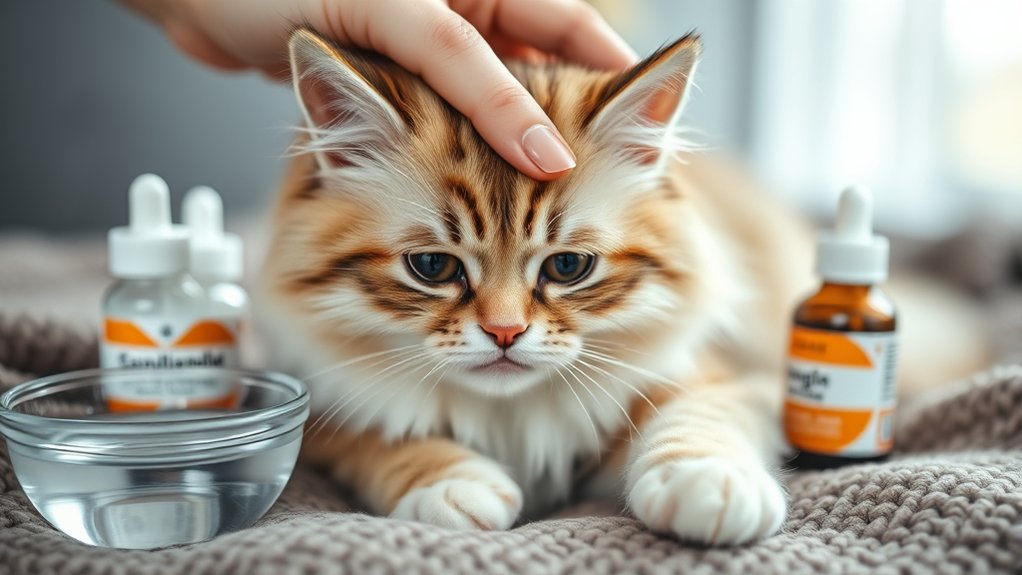
When your cat shows signs of kennel cough, prompt treatment can make a big difference in how quickly they recover. Treatment usually involves antibiotics to tackle any secondary bacterial infections that can make respiratory symptoms worse.
Along with medication, you should keep a close eye on your cat. Mild cases might get better within about 10 days, but it’s important to watch for any signs that things are getting worse because untreated kennel cough can turn into pneumonia.
Also, try to avoid exposing your cat to irritants like smoke or strong odors since these can make coughing and breathing problems worse. If your cat’s condition becomes severe, don’t wait—seek veterinary help right away.
In serious cases, they might need to be hospitalized where they can get oxygen therapy and intravenous fluids. The main treatments include antibiotics, anti-inflammatories, and cough suppressants.
Starting treatment early helps keep your cat comfortable and lowers the chances of complications, which means a smoother recovery overall.
Caring for Your Cat at Home During Kennel Cough Recovery
You’ll want to set up a quiet, cozy spot where your cat can relax and recover without any stress.
Make sure there’s always fresh water within reach to keep them well hydrated.
Also, try to keep them away from smoke or strong smells that might make their symptoms worse.
Taking these simple steps can really help ease their discomfort and make the healing process go more smoothly.
Creating Comfortable Resting Spaces
Although kennel cough can be distressing for your cat, creating a comfortable resting space plays an essential role in supporting their recovery. A well-prepared resting area within the cats’ environment helps reduce stress and promotes healing.
To optimize your cat’s pet health, consider these steps:
- Provide a warm, quiet space with soft bedding, free from drafts and direct sunlight.
- Make sure the temperature stays stable and comfortable.
- Use a humidifier to add moisture to the air. This can soothe irritated respiratory passages and ease coughing.
- Keep the area clean and free from irritants like smoke or strong odors. This helps prevent symptoms from getting worse.
Ensuring Proper Hydration
Creating a comfortable resting space helps your cat feel secure and supported during kennel cough recovery.
But maintaining proper hydration plays an equally important role in their healing process. Hydration helps thin mucus and supports overall respiratory function, making it easier for your cat to breathe and recover.
Always provide fresh, clean water. You might also consider offering wet food or adding water to dry food to boost fluid intake.
It’s a good idea to monitor how much your cat drinks because less water could signal worsening symptoms or discomfort that needs veterinary care.
Using a pet-safe humidifier can also improve hydration by increasing moisture in the air. This may soothe coughing and ease respiratory distress.
Prioritizing hydration guarantees your cat’s respiratory system functions efficiently during this vulnerable time.
Minimizing Environmental Irritants
When your cat is recovering from kennel cough, minimizing environmental irritants is essential to prevent further respiratory distress.
Irritated airways can delay recovery, so creating a safe, soothing space really matters. Here’s how you can help:
Keep the environment smoke-free and avoid strong odors from cleaning products, scented candles, or perfumes.
These can make coughing worse.
Use an air purifier with a HEPA filter to reduce airborne irritants and allergens that trigger sneezing and coughing.
Maintain a clean living area by regularly washing bedding and surfaces to remove dust and allergens.
You might also consider a humidifier to soothe your cat’s irritated airways.
When to See a Vet for Kennel Cough in Cats
How can you tell if your cat’s kennel cough has reached a serious stage? Watch closely for severe symptoms like high fever, extreme lethargy, or difficulty breathing. These signs indicate the upper respiratory infection may be worsening.
If your cat refuses to eat or drink for over 24 hours, don’t delay a vet visit to avoid dehydration.
Notice any change in nasal discharge from clear to yellow or green? This often signals a bacterial infection needing prompt treatment.
Persistent coughing, especially with gagging or retching, also requires immediate veterinary attention.
Early intervention is essential, particularly for kittens or cats with a weakened immune system, to prevent complications such as pneumonia.
When in doubt, seek professional care to protect your cat’s health and comfort.
Differentiating Kennel Cough From Other Cat Respiratory Illnesses
Recognizing the difference between kennel cough and other respiratory illnesses in cats can help you seek the right care quickly.
Kennel cough, a contagious respiratory disease, often shows a sudden, dry, hacking cough, unlike allergies, which cause softer coughing and sneezing. To differentiate, consider these points:
- Symptom onset and environment: Kennel cough appears rapidly after exposure to other animals in shelters or boarding facilities, unlike viral infections or allergies.
- Nasal discharge: Yellow or green discharge suggests kennel cough, while clear discharge points to allergies.
- Additional signs: Fever and lethargy are common with kennel cough but rare in other respiratory conditions.
Understanding these distinctions guarantees timely veterinary care.
Remember, the Bordetella vaccine helps reduce kennel cough risk in cats exposed to communal settings.
Preventing Kennel Cough in Cats: Vaccines and Hygiene Tips
Although there isn’t a specific vaccine for kennel cough in cats, you can still take effective steps to protect your feline friends.
Preventing this illness largely depends on maintaining excellent hygiene and minimizing exposure to infected animals.
Regularly clean shared spaces and surfaces to eliminate Bordetella bronchiseptica bacteria, especially if you have multiple pets.
Wash your hands thoroughly after handling your cats or their belongings to reduce the risk of spreading infection.
Isolate stressed or immunocompromised cats, as they’re more vulnerable to kennel cough.
Stay vigilant by monitoring your cats’ health closely and seek veterinary care promptly if you notice respiratory symptoms.
These measures work together to provide a strong defense against kennel cough, keeping your cats healthier and safer.
Managing Kennel Cough Spread in Multi-Pet Households
When you have multiple pets sharing the same space, kennel cough can spread quickly through close contact. That’s why prompt isolation of any infected animal is essential.
To manage the spread through direct contact in your home, focus on these key steps:
- Isolate infected pets immediately to prevent transmission to others.
- Clean shared spaces and surfaces frequently, since the bacteria can survive for extended periods outside the pet.
- Monitor all pets closely for symptoms and schedule regular veterinary check-ups to catch infections early.
Also, keeping a calm environment supports your pets’ immune systems. This helps them resist illness better.
Since vaccination isn’t standard for cats, staying vigilant and treating any symptoms promptly become your best defenses in a multi-pet household.
Frequently Asked Questions
Can Kennel Cough in Cats Affect Humans or Other Pets?
Kennel cough in cats rarely affects humans, so you don’t need to worry about catching it. However, transmission methods make it easy for other pets, especially dogs, to get infected.
Since symptoms often overlap with other respiratory illnesses, you should watch for coughing and sneezing.
To protect your pets, focus on prevention strategies like isolating sick animals, cleaning shared spaces thoroughly, and scheduling regular vet visits to catch issues early.
Taking these steps can really help keep everyone healthy and comfortable.
How Long Is a Cat Contagious With Kennel Cough?
Your cat’s contagious duration with kennel cough typically lasts up to three weeks from the symptom timeline’s start.
During this period, infection spreads mainly through coughing, sneezing, or close contact. You’ll want to isolate your cat to prevent others from catching it.
Keep in mind, young or immunocompromised cats might stay contagious longer.
Regular vet check-ups help you know when your cat is no longer a risk to others.
It’s always better to be safe and keep an eye on their health.
Are There Natural Remedies to Help With Kennel Cough in Cats?
Yes, you can use herbal treatments and home remedies to support your cat’s recovery from kennel cough, but always check with your vet first.
Natural options like honey and coconut oil can soothe the throat, while steam therapy helps relieve respiratory discomfort.
Make sure to keep your cat hydrated and provide immune support through a warm, comfortable environment.
These simple steps can really help ease symptoms and boost healing.
Just remember, veterinary guidance is important to ensure everything is safe and effective for your furry friend.
Can Indoor Cats Get Kennel Cough Without Exposure to Other Animals?
You might be surprised to learn that yes, your indoor cat can get kennel cough without direct exposure to other animals.
Airborne virus transmission and contaminated surfaces mean even limited indoor cat exposure can threaten their respiratory health.
Stress and weakened immunity make your feline friend more vulnerable.
Stay vigilant by keeping their environment clean and calm. This helps protect their sensitive lungs from this sneaky infection that can strike when you least expect it.
What Are the Long-Term Effects of Kennel Cough in Cats?
You might face chronic respiratory issues if your cat suffers long-term effects from kennel cough. Their immune system response can weaken, making them vulnerable to secondary infections like pneumonia.
These complications can cause lasting lung damage and recurring breathing problems. This is especially true for kittens or immunocompromised cats.
Acting quickly with early diagnosis and treatment helps prevent these outcomes. It protects your cat’s health and improves recovery chances.
Conclusion
You want your cat to breathe easy, free from that harsh, hacking cough that disrupts their playful spirit. By recognizing kennel cough early and acting swiftly with proper care and hygiene, you can shield your feline friend from discomfort.
Think of it as creating a safe, cozy bubble around them, keeping illness at bay. Stay vigilant, consult your vet when needed, and your cat will be back to purring contentedly in no time.