Why Is My Cat Drooling – Reasons And Solutions
Your cat’s drooling can mean different things. It might happen when they’re relaxed or hungry. Sometimes, it can also be a sign of stress or dental issues like gingivitis.
If your cat is drooling a lot, it might be due to nausea, toxins, or even serious health problems that need quick care. Keep an eye out for changes like bad breath, lethargy, or loss of appetite.
These signs mean you should see a vet. Understanding why your cat drools helps you take better care of their health. It also lets you know when to get help and how to keep your cat comfortable and safe.
What Causes Normal Drooling in Cats
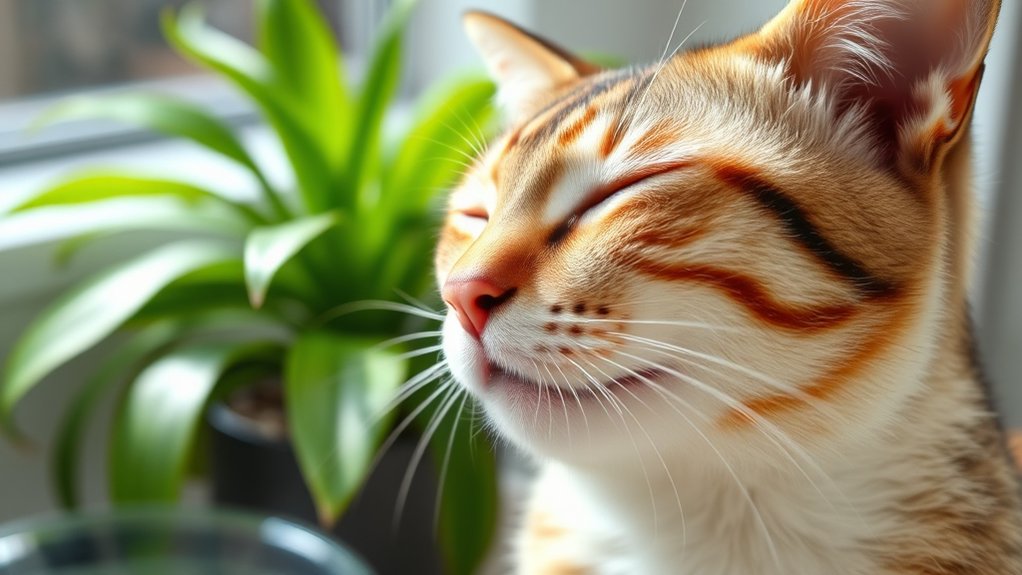
Although it might seem concerning at first, normal drooling in cats often signals comfort and contentment rather than a health issue. You’ll notice a happy cat may drool during moments of deep relaxation, like purring or kneading, showing their contentment. This mild drooling is usually harmless and linked to the cat’s mouth producing extra saliva.
Anticipation of food or treats can also trigger normal drooling, as excitement stimulates saliva production.
Keep in mind, occasional temporary drooling during stressful situations can happen but should resolve quickly once your cat relaxes.
However, if drooling is excessive or accompanied by signs of dental issues, it’s wise to consult your vet.
Why Stress Makes Cats Drool
You might notice your cat drooling more during stressful situations, like vet visits or car rides. This usually happens because their saliva production goes up.
Along with drooling, your cat might also show signs of anxiety, like flattened ears or making noises. If you pay attention to these behaviors, it can help you understand when your cat is feeling uncomfortable or scared.
Stress-Induced Saliva Increase
When your cat encounters stressful situations such as car rides or vet visits, their body releases stress hormones that can trigger increased saliva production, leading to noticeable drooling.
This saliva increase is a natural response to anxiety and discomfort your cat feels in an unfamiliar or threatening environment. You might notice drooling alongside other stress-related behaviors, signaling that your cat is overwhelmed.
Excessive drooling during these moments reflects how deeply your cat is affected by stress. By understanding this connection, you can better support your cat’s well-being.
Creating a calm, safe environment and minimizing sudden changes helps reduce your cat’s anxiety and saliva overproduction.
Paying close attention to your cat’s behavior during stressful events allows you to intervene early and ease their discomfort effectively.
Behavioral Signs During Stress
Because stress affects your cat’s nervous system, it often triggers not only drooling but also clear behavioral signs such as flattened ears, vocalizations, and restlessness. You may notice your cat hiding or pacing during vet visits or car rides. These are common stressors causing anxiety and excessive drooling.
This drooling usually is a temporary reaction, but monitoring these behaviors helps distinguish normal from concerning patterns. Paying attention to your cat’s stress signs guarantees timely vet intervention if needed.
| Behavioral Sign | Cause | Typical Context |
|---|---|---|
| Flattened Ears | Stress/Anxiety | Vet visits, travel |
| Vocalizations | Fear/Discomfort | Loud noises, strangers |
| Restlessness | Nervousness | Car rides, new places |
| Hiding | Seeking Safety | Unfamiliar environments |
| Excessive Drooling | Stress Response | During or after stress |
Signs of Dental Problems Causing Drooling
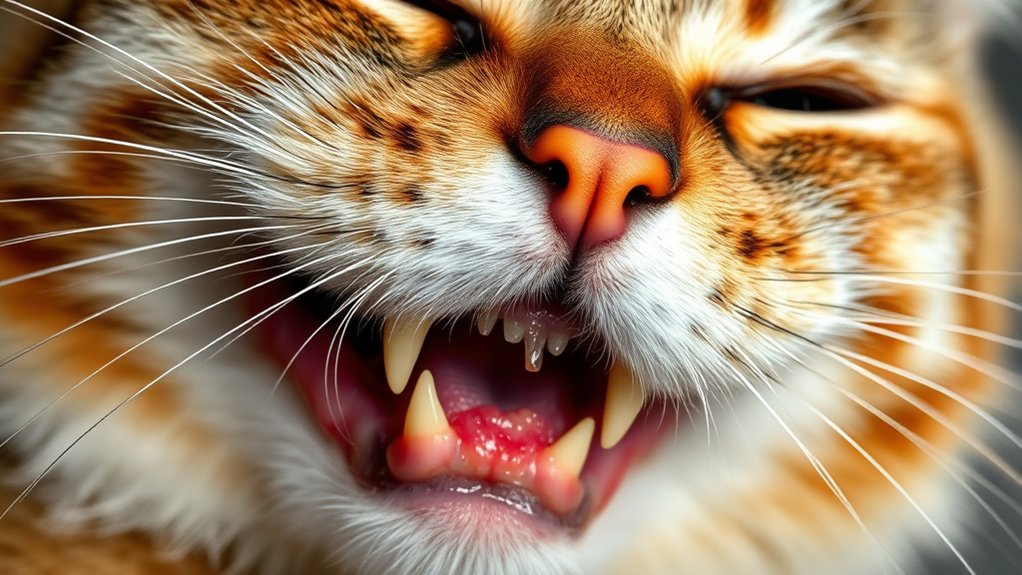
Although occasional drooling can be normal for some cats, excessive drooling often signals dental problems that require your attention. When your cat drools excessively, pays frequent attention to its mouth, or shows reluctance to eat, it might be suffering from dental disease such as gingivitis or tooth abscesses.
You may also notice bad breath, a common sign of infection or oral injuries affecting your cat’s health. In some cases, oral tumors can obstruct swallowing, further increasing drooling.
These symptoms indicate discomfort and pain, making it essential to schedule regular dental check-ups and cleanings with your veterinarian.
By addressing dental problems early, you can help maintain your cat’s overall health and comfort, preventing more serious complications down the line.
How Nausea Leads to Excessive Drooling
Dental issues aren’t the only cause of excessive drooling in cats; nausea can also play a significant role. When your cat experiences nausea, often due to gastrointestinal distress from hairballs or dietary changes, the body produces extra saliva to neutralize stomach acids. This increased saliva leads to noticeable drooling.
You’ll often observe other signs alongside drooling, such as vomiting, lethargy, or changes in appetite. Motion sickness during car rides can also trigger nausea and drooling.
If your cat shows persistent excessive drooling with these symptoms, a prompt veterinary evaluation is essential to identify any underlying health problems.
- Nausea triggers excess saliva production
- Gastrointestinal distress causes drooling
- Vomiting and appetite changes accompany nausea
- Motion sickness induces nausea-related drooling
- Veterinary evaluation detects underlying health issues
Toxins and Foreign Objects Causing Drooling
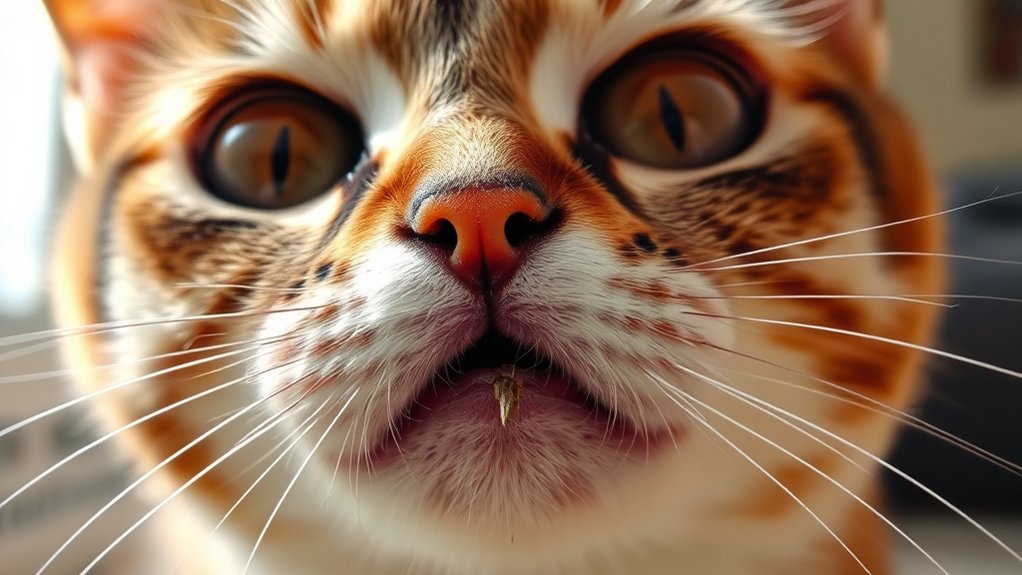
When your cat drools excessively, toxins and foreign objects could be the hidden culprits causing discomfort. Ingesting toxic plants like lilies or poinsettias, or coming into contact with household chemicals, can irritate your cat’s mouth and lead to excessive drooling.
Foreign objects such as strings or small toys may become lodged in the cat’s mouth or throat, triggering increased saliva production.
Excessive drooling accompanied by vomiting, diarrhea, or lethargy is a serious sign of illness. These health issues mean you should consult a veterinarian immediately.
Prompt identification and removal of foreign objects, along with appropriate treatment for toxin exposure, are essential to prevent severe complications.
Always keep a close eye on your cat and don’t hesitate to seek professional help if you think toxins or foreign objects are causing the problem.
Medications That Cause Excessive Drooling
If your cat has recently started a new medication and you notice increased drooling, the medicine might be causing this reaction. Certain medications can lead to excessive drooling in cats due to side effects like oral discomfort or increased saliva production.
It’s important to monitor your cat closely and consult your veterinary professional if you suspect their medication is the cause.
Medications that may trigger excessive drooling include:
- Antibiotics that irritate the mouth or taste buds
- Pain medications, especially opioids affecting the nervous system
- Chemotherapy drugs causing nausea or oral discomfort
- Antihistamines that increase saliva production
- Anti-nausea medications with side effects impacting saliva flow
Addressing these side effects promptly helps guarantee your cat’s comfort and safety.
How Heatstroke and Illness Trigger Drooling
Because cats struggle to regulate their body temperature in high heat, you might notice excessive drooling as an early warning sign of heatstroke. This condition often comes with symptoms like heavy panting, rapid heartbeat, and lethargy.
It demands immediate veterinary care to prevent serious complications.
Illness can also trigger drooling, especially when caused by kidney disease or infections. Nausea and oral ulcers may develop, leading to loss of appetite and further drooling.
You might also see vomiting or other systemic symptoms alongside these conditions.
Recognizing these signs early is really important because prompt veterinary care can address the underlying issue and improve your cat’s recovery.
How to Spot Serious Health Problems From Drooling
Excessive drooling can signal more than just heatstroke or common illness. It might point to serious health problems that need your immediate attention.
Excessive drooling may indicate serious health issues requiring prompt veterinary attention.
When your cat is drooling excessively, it’s essential to watch for signs that go beyond common causes and might indicate urgent health issues.
Look out for these critical indicators:
- Bad breath or pawing at the mouth, which often suggests dental disease
- Vomiting or decreased appetite alongside drooling, hinting at systemic problems
- Difficulty breathing or unusual behaviors, requiring immediate veterinary care
- Sudden lethargy or hiding, possibly signaling pain or severe discomfort
- Persistent drooling combined with vomiting, which could indicate poisoning or other serious conditions
If you notice any of these signs, it’s best to consult a veterinarian promptly.
That way, you can help diagnose and treat the underlying cause effectively.
Home Care Tips to Manage Cat Drooling
When you notice your cat drooling, taking proactive steps at home can help manage the situation and improve their comfort. Cat drooling is common in cats, but excessive drooling might signal oral health issues or stress.
Maintain your cat’s oral health by scheduling regular dental checkups to catch problems early and prevent conditions that cause pain and drooling. Providing safe chew toys and dental treats supports oral hygiene, reducing the risk of dental-related drooling.
Keep an eye on your cat’s behavior, as stress can trigger excessive drooling. Creating a calm environment can really help ease their anxiety.
Prioritizing routine wellness helps you spot changes quickly, making sure your cat stays comfortable and healthy while managing drooling effectively.
When to Seek Veterinary Help for Drooling
While home care can help manage mild drooling, some situations require prompt veterinary attention to make sure your cat’s health isn’t at risk. You should seek veterinary help if you notice sudden or excessive drooling in cats because this might point to serious health issues like oral tumors or poisoning.
Always keep an eye on changes in behavior and appetite since these can signal underlying gastrointestinal problems or pain. If drooling comes with lethargy, hiding, or difficulty breathing, getting your cat to the vet right away is really important.
Monitor behavior and appetite changes closely, as drooling with lethargy or breathing issues requires immediate veterinary care.
Persistent drooling after stressful events also means it’s time for a professional evaluation to keep your pet safe and healthy.
- Sudden or excessive drooling
- Accompanying abnormal behavior such as lethargy or hiding
- Loss of appetite alongside drooling
- Difficulty breathing or signs of discomfort
- Persistent drooling after stressors
Acting quickly helps catch problems early and leads to better outcomes.
Frequently Asked Questions
Can Certain Cat Breeds Drool More Than Others?
Yes, certain breeds like Persian cats and Maine Coons tend to drool more due to dental issues and facial structure.
Even Siamese drooling can happen, often linked to oral infections or medication side effects.
You’ll also notice drooling triggered by anxiety or heat exposure.
Keeping an eye on your cat’s health and managing these factors helps reduce excessive drooling.
That way, you can make sure your furry friend stays comfortable and happy.
Is Drooling Normal During a Cat’s Teething Phase?
Think of your kitten’s mouth as a stormy sea during teething. Drooling is a natural wave. You’ll notice teething symptoms like mild discomfort and increased drooling duration.
These usually fade as adult teeth emerge.
Keep an eye on your kitten’s behavior to rule out any dental issues. Make sure to maintain good oral hygiene.
Use comfort measures and pain management techniques to help your kitten feel better.
But don’t hesitate to visit the vet if the drooling seems excessive or just won’t go away. You’re helping your kitten sail through this phase smoothly.
Does Drooling Increase After Cats Eat or Drink?
Yes, drooling often increases after your cat eats or drinks, especially if they’re excited or have strong food preferences.
This can be a natural stress response linked to endorphin release. But watch for signs of dental issues, oral infections, or medication side effects causing discomfort.
Temperature sensitivity during hydration might also play a role.
If drooling seems excessive or linked to anxiety triggers, consult your vet to rule out health problems and guarantee your cat’s comfort.
Can Grooming Habits Cause a Cat to Drool?
Yes, grooming habits can cause your cat to drool. Changes in grooming frequency might signal dental issues or oral hygiene problems, which can lead to discomfort and increased saliva production.
Stress or changes in the environment can also make your cat groom more than usual, and this might affect drooling.
Sometimes, behavior patterns linked to health conditions or even aging can cause more drooling during grooming sessions.
Keeping an eye on these signs helps you catch any underlying problems early. That way, you can support your cat’s well-being more effectively.
Is Cat Drooling Affected by Seasonal Allergies?
Think of your cat’s mouth as a delicate garden, reacting to seasonal pollen exposure like a sensitive bloom. Yes, seasonal allergies can trigger drooling by sparking an immune response that irritates oral health and throat tissues.
Environmental triggers like dust and mold can make allergy symptoms worse, which increases salivation.
You should keep an eye on your cat’s hydration and watch for skin or respiratory signs too. If the drooling sticks around along with these symptoms, it’s a good idea to check in with your vet. They can help figure out the cause and get your cat the relief it needs.
Conclusion
So, if your cat starts drooling like it’s auditioning for a dog role, don’t panic unless you enjoy living on the edge of mystery illnesses and unexpected vet bills.
While some drooling is totally normal or stress-induced, ignoring signs of dental issues, toxins, or heatstroke isn’t exactly a recipe for a happy feline. Keep a close eye, offer gentle care, and don’t hesitate to call your vet.
Because no one wants a drooling drama queen without a script!