Can A Cat Have Water Before Surgery – Pre-Surgery Rules Explained
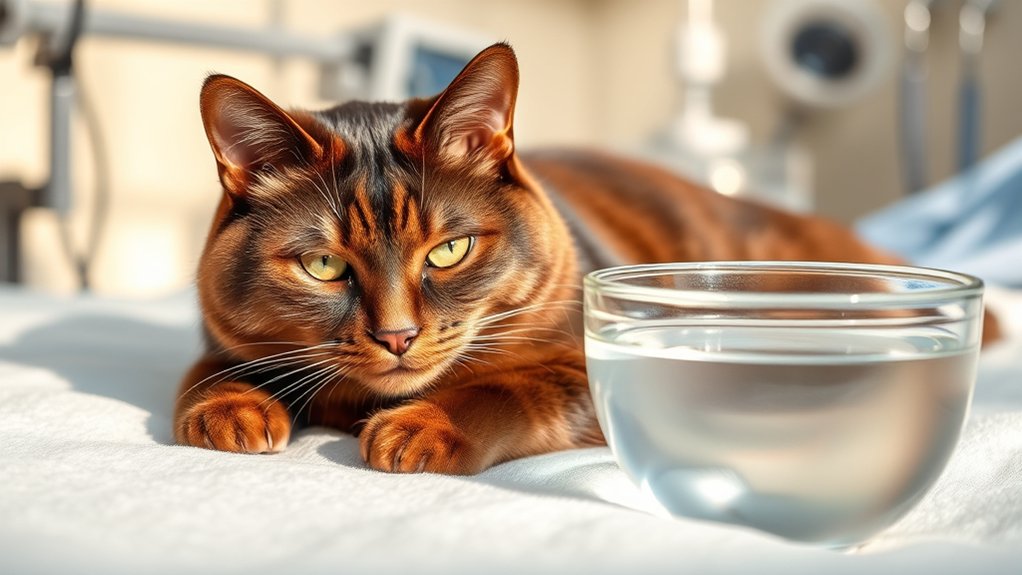
You should limit your cat’s water intake before surgery to reduce risks during anesthesia. Typically, remove water 2 to 6 hours beforehand and avoid letting your cat drink less than 2 hours prior. Kittens and senior cats may need special timing, so consult your vet.
Too much water can cause nausea, vomiting, or aspiration pneumonia. Carefully managing hydration before and after surgery is key to a safe recovery. Keep going to understand how to handle water intake for your cat properly.
Why Your Cat Needs to Fast Before Surgery
Because anesthesia suppresses your cat’s gag reflex, fasting before surgery is essential to prevent stomach contents from entering the lungs and causing aspiration pneumonia. When your cat is under anesthesia, the normal protective reflexes that keep food and liquid out of the airway are diminished. This increases the risk of aspiration if the stomach isn’t empty.
Fasting before surgery typically means withholding food for about 12 hours prior to the procedure. This precaution reduces the likelihood of nausea, vomiting, and other complications during anesthesia.
While water consumption has different guidelines, the focus here is on fasting before surgery to guarantee your cat’s stomach is clear.
Minimizing surgical risks is the main goal. Following these fasting protocols helps guarantee a safer, smoother surgical experience for your feline companion.
Can Cats Drink Water Before Surgery?
While fasting from food is a key step before your cat’s surgery, managing water intake also requires careful attention. You might wonder, can cats drink water before surgery? Typically, they can have access to water until a few hours before the procedure.
However, it’s vital to control this intake closely to reduce the risk of aspiration during anesthesia. Small amounts of water right before surgery can lead to nausea and vomiting, which can complicate the process.
Careful water intake control is essential to prevent aspiration and complications like nausea during anesthesia.
To prevent excessive drinking, remove the water bowl a few hours before fasting begins. Always follow your veterinarian’s specific instructions on water restrictions to guarantee your cat’s safety and well-being during surgery.
Proper water management is just as important as food fasting when preparing for a successful operation.
When to Remove Water Before Surgery
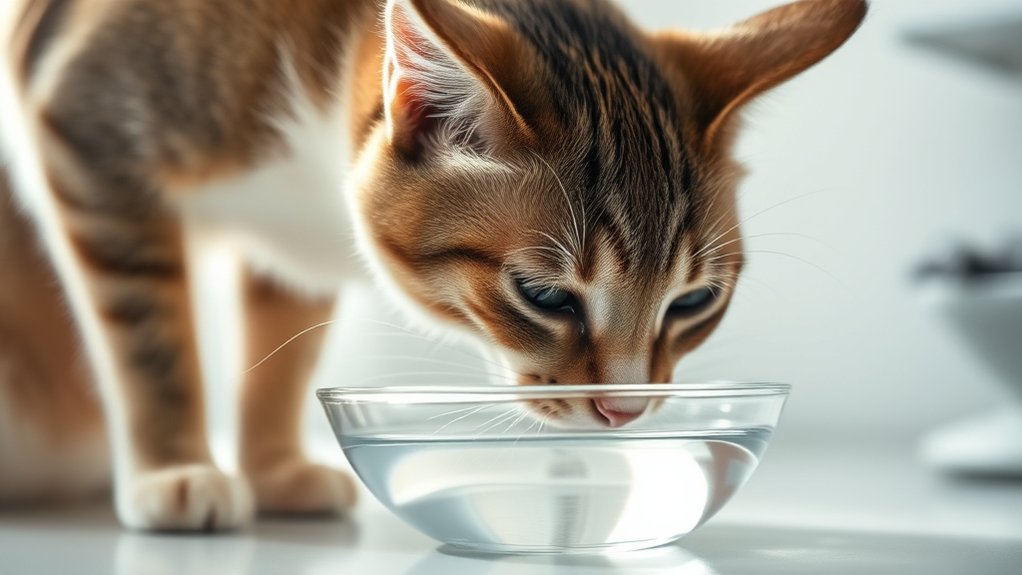
Even though cats can typically drink water until a few hours before surgery, you should remove their water bowl by around 10 PM the night before the procedure. Properly managing your cat’s water intake is essential to reduce the risk of aspiration during anesthesia.
Offering water too close to surgery can lead to serious complications, so timely removal is critical. If your cat drinks water the morning of surgery, be sure to inform your veterinarian. It may require rescheduling.
| Time Before Surgery | Water Intake Allowed | Notes |
|---|---|---|
| More than 6 hours | Yes | Normal access |
| 2-6 hours | Limited | Monitor carefully |
| Less than 2 hours | No | Remove water completely |
How to Manage Your Cat’s Water Intake Safely Pre-Surgery
Managing your cat’s water intake safely before surgery means sticking to specific timing and quantity guidelines to lower risks during anesthesia.
You should provide water until the morning of surgery but take it away a few hours before fasting begins. It’s important to follow your vet’s exact instructions on how much water your cat can have to avoid aspiration.
Offering ice chips can be a good way to satisfy your cat’s thirst without giving too much water. Keep a close eye on your cat for any signs of distress or discomfort related to thirst.
Make sure to adjust water access based on your cat’s individual health needs, as your vet advises. This way, you’ll help keep your furry friend safe and comfortable before surgery.
Risks of Allowing Water Too Close to Surgery
If you allow water too close to your cat’s surgery, you increase the risk of aspiration, where stomach contents may enter the lungs during anesthesia.
Even small amounts of water in the stomach can lead to inhalation, causing serious complications like aspiration pneumonia. Water intake right before the procedure may also trigger nausea and vomiting, which complicate recovery and anesthesia management.
Overhydration can worsen these risks and may interfere with the surgery itself.
To minimize these dangers, it’s critical to follow your veterinarian’s specific guidelines on water access before surgery. Proper water management guarantees your cat’s safety and reduces the likelihood of complications, helping the surgical process and recovery proceed as smoothly as possible.
Special Water Fasting Tips for Kittens and Older Cats
When getting kittens and older cats ready for surgery, there are some special water guidelines you’ll want to follow to keep them safe and hydrated.
For example, kittens under five months can usually have water up until the surgery.
On the other hand, senior cats need a bit more careful management when it comes to water. This helps avoid any complications during the procedure.
Water Guidelines For Kittens
Although water fasting rules differ between kittens and older cats, you should always prioritize hydration up until the specified cutoff times to secure your pet’s safety.
For kittens under 5 months, water is allowed until 7 AM on surgery day, helping them stay hydrated before fasting.
Here are key water guidelines for kittens:
Provide water and food until the night before surgery as instructed.
Allow water up to 7 AM on surgery day for kittens under 5 months.
Avoid giving water too close to surgery to reduce aspiration risk.
Consult your vet for personalized water fasting instructions.
Offering ice chips before fasting can help keep your kitten comfortable.
Following these tips safeguards your kitten’s safety and reduces complications during anesthesia.
Hydration Needs Of Seniors
Anyone caring for a senior cat preparing for surgery must understand that hydration needs differ considerably from those of kittens. The hydration needs of seniors require careful management to avoid risks like dehydration or overhydration.
Typically, water access should be removed a few hours before fasting to reduce the risk of aspiration during anesthesia.
Since older cats often undergo pre-anaesthetic blood tests, your veterinarian can tailor hydration protocols based on your cat’s overall health. To help keep your senior cat comfortable without excessive water intake, offering ice chips is a practical option.
Following specific veterinary guidelines guarantees your cat remains safely hydrated, supporting a smoother surgical process and recovery.
Always consult your vet for personalized instructions regarding the hydration needs of seniors before surgery. It’s the best way to ensure your cat’s safety and comfort throughout the whole process.
What Happens With Water on Surgery Day
On surgery day, it’s important to carefully control your cat’s water intake.
Make sure to follow your vet’s specific instructions about timing. Drinking too close to surgery can increase the risk of aspiration and cause complications during anesthesia.
If your cat seems thirsty, you can offer small amounts of water or even ice chips.
Just keep a close eye on them for any signs of discomfort while doing this.
Water Access Timing
Because water intake affects anesthesia safety, you’ll need to carefully manage your cat’s water access before surgery. Proper water access timing minimizes risks and guarantees smooth anesthesia.
Generally, water should be withheld about 12 hours prior to surgery, but your veterinarian’s instructions always take precedence.
Here’s what to keep in mind:
- Water is usually allowed until the morning of surgery
- Small amounts may be permitted up to surgery time, so always report this
- Avoid unrestricted water access immediately before surgery
- Ice chips can help manage thirst safely
Make sure to follow fasting and hydration guidelines closely to prevent dehydration.
It’s all about keeping your cat safe and comfortable!
Risks Of Water Intake
While managing your cat’s water intake before surgery is important, understanding the risks of allowing water too close to the procedure is equally vital.
Water in the stomach during anesthesia increases the risk of aspiration, where stomach contents can enter the lungs and potentially cause pneumonia. Because anesthesia suppresses the gag reflex, your cat can’t protect its airway, making even small amounts of water dangerous.
Moreover, excess water intake can lead to nausea and vomiting during or after surgery, which can complicate recovery. Overhydration may also cause complications during the procedure or recovery phase.
Following your veterinarian’s guidelines on water intake helps minimize these risks. This ensures a safer surgical process for your cat and reduces the chance of serious health issues related to improper water management on surgery day.
Managing Thirst Safely
How should you manage your cat’s thirst on surgery day to guarantee safety? Proper water management is critical to prevent complications during anesthesia. You should allow water access until a few hours before surgery, then remove it.
Avoid giving large amounts of water close to surgery to reduce the risk of nausea. Offering ice chips instead of free water can help quench thirst safely. It’s a good way to keep your cat comfortable without overhydrating.
Keep an eye on your cat for signs of distress as fasting begins. This helps keep them calm during the process.
And, of course, always follow your veterinarian’s specific water intake instructions precisely to ensure everything goes smoothly.
Tips for Rehydrating Your Cat After Surgery
Start by offering your cat small amounts of water shortly after they wake from anesthesia to see how they handle it and avoid nausea. You can begin with ice chips to satisfy their thirst without overwhelming their stomach.
As your cat seems comfortable and ready, slowly increase the amount of water.
Try not to give large amounts all at once because that can cause vomiting and make recovery harder. Always follow your vet’s specific instructions on when and how to reintroduce food and water.
Taking care with rehydration after surgery helps your cat recover smoothly and feel less uncomfortable.
Keep an eye on how your cat responds during this sensitive time. This way, you can provide the right care and avoid problems from dehydration or drinking too much.
Being consistent and cautious with hydration is key to a successful recovery.
Frequently Asked Questions
Can My Cat Have Flavored Water or Ice Chips Before Surgery?
You shouldn’t give your cat flavored water before surgery, as additives may upset their stomach during anesthesia.
Instead, you can offer ice chips in small amounts to help manage your cat’s thirst safely.
Flavor preferences don’t matter here since plain ice chips are safest.
Always follow your veterinarian’s specific guidelines, as they’ll consider your cat’s health and surgery type to guarantee safe pre-surgery hydration and fasting protocols.
How Does Medication Affect Water Restrictions Before Surgery?
Think of medication timing as a traffic light controlling your cat’s water intake before surgery. If your cat’s meds need water for absorption, the “green light” means you must give water at specific times.
Some medications might “red light” water to prevent complications or dehydration, altering usual fasting rules.
Always inform your vet about any meds, so they can adjust water restrictions properly and keep your cat safe during surgery.
It’s really important to follow their advice closely. That way, you’re helping your cat stay comfortable and healthy before the procedure.
Is Water Fasting Different for Emergency Surgeries?
Yes, water fasting differs under Emergency Protocols.
In emergencies, your cat may need to stop water intake immediately to reduce anesthesia risks, unlike scheduled surgeries where water is often allowed until a few hours before.
Vets tailor these protocols based on your cat’s condition and urgency.
Always follow your veterinary team’s specific instructions to keep your cat safe.
Emergency Protocols prioritize immediate health needs over standard fasting rules.
Can Water Intake Influence Anesthesia Dosage?
Imagine the delicate balance of your cat’s safety hanging on a thread. Yes, water intake can influence anesthesia dosage.
Anesthesia considerations demand precise hydration management because excess water can dilute anesthetic drugs. This can alter their effectiveness and increase the risk of aspiration.
By controlling water before surgery, you help veterinarians tailor anesthesia accurately. This ensures your cat’s comfort and safety.
Should I Adjust Water Intake if My Cat Has Kidney Issues?
Yes, you should adjust your cat’s water intake if they’ve kidney issues. Proper kidney hydration is essential to prevent dehydration and complications during anesthesia.
Always follow your vet’s specific guidelines, as they may recommend different timing or amounts for water withholding before surgery.
Make sure to inform the surgical team about your cat’s kidney condition. This way, they can tailor hydration protocols to fit your cat’s needs.
It helps keep your cat safe and stable throughout the procedure.
Conclusion
You want to keep your cat comfortable and safe, yet withholding water can feel harsh. However, allowing water too close to surgery raises risks like aspiration, making fasting essential.
Balancing care with caution guarantees your cat’s best outcome. They should be hydrated before and properly fasted when needed.
By following these guidelines, you’ll help your furry friend sail through surgery smoothly and recover quickly. This can turn a stressful moment into a manageable experience.