Is Peppermint Oil Safe For Cats – Safety And Risks
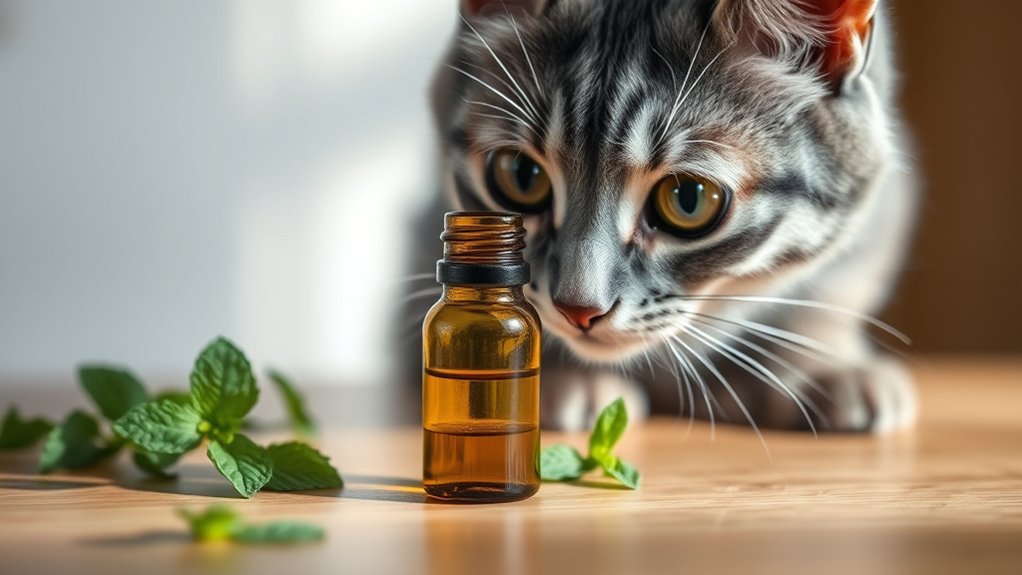
You shouldn’t use peppermint oil around your cat because it contains menthol, which cats struggle to process. Even small exposure through inhalation, ingestion, or skin contact can cause vomiting, lethargy, respiratory issues, or worse, like liver damage and seizures.
Because cats groom themselves, topical use poses extra risks. Since no safe exposure level exists, it’s best to avoid it entirely.
If you want to keep your cat safe, understanding these dangers and precautions is essential.
Why Peppermint Oil Is Toxic to Cats: Effects and Risks
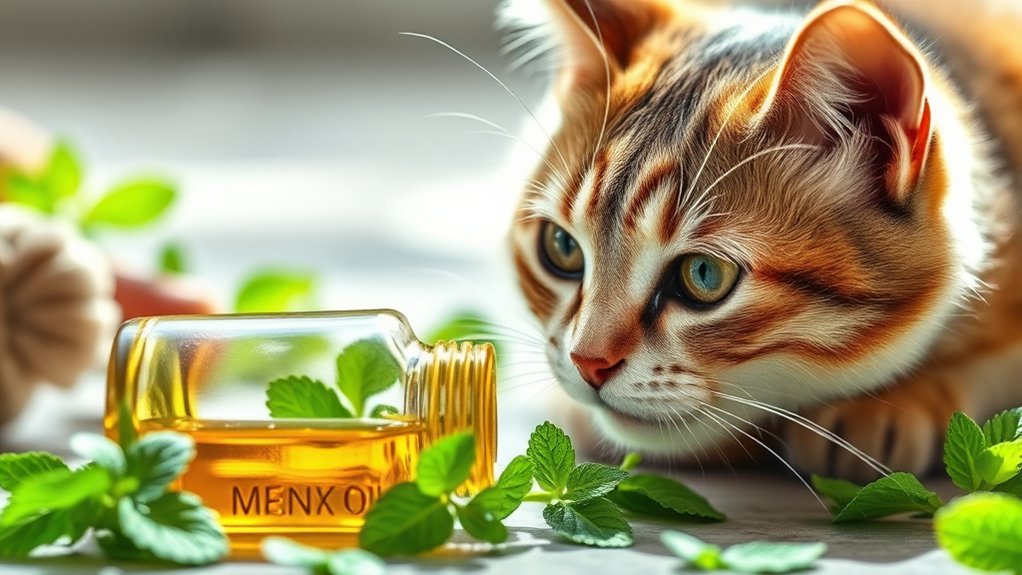
Peppermint oil contains menthol, a compound that cats can’t easily break down, making even small exposures potentially toxic.
Because cats lack certain liver enzymes, their bodies struggle to metabolize peppermint oil, which increases the risk of toxicity. If your cat inhales or ingests peppermint oil, it can lead to serious health problems including nausea, vomiting, fatigue, and altered mental status.
Cats lack liver enzymes to process peppermint oil, risking nausea, vomiting, fatigue, and altered mental state.
The severity varies, but there’s no safe exposure level established for cats, so any contact should be treated cautiously.
Ingesting peppermint oil might cause more severe effects such as liver damage, breathing difficulties, or seizures. Given these risks, it’s essential to keep peppermint oil out of reach and avoid using it around your cat to prevent accidental poisoning.
Signs Your Cat Has Been Exposed to Peppermint Oil
If you notice your cat drooling, vomiting, or acting lethargic after being around peppermint oil, these could be warning signs you don’t want to ignore.
Also, if your furry friend is having trouble breathing or coughing unusually, it’s really important to act fast.
When in doubt, don’t hesitate—contact your vet right away to make sure your cat gets the care they need.
Common Symptoms To Watch
Exposure to peppermint oil can cause serious health issues in cats, so it’s really important to recognize the signs early. If your cat has been exposed, keep a close eye out for symptoms that might indicate poisoning.
You should be alert to the following:
- Nausea, vomiting, and altered mental status. These symptoms could mean your cat has ingested or inhaled peppermint oil and is experiencing toxicity.
- Fatigue and lethargy. These are signs that your cat’s body is struggling with the toxic effects.
- Difficulty breathing and muscle tremors. These more severe symptoms signal urgent health risks.
Any exposure to peppermint oil can lead to liver damage, so even mild symptoms shouldn’t be ignored.
Keep a close watch on your cat and get professional advice right away if you notice any of these signs to keep your furry friend safe.
Immediate Veterinary Actions
When you notice symptoms like vomiting, difficulty breathing, or unusual lethargy in your cat, you need to seek veterinary care immediately.
These symptoms of exposure to peppermint oil indicate potential toxicity that requires immediate veterinary attention. Other signs include nausea, drooling, uncoordinated movements, and altered mental status.
Avoid trying to induce vomiting or giving activated charcoal without professional guidance, as this can actually make things worse.
It’s best to contact your veterinarian or Poison Control right away. They can give you advice tailored to your cat’s condition.
Prompt diagnosis and treatment really improve the chances of recovery.
What to Do If Your Cat Ingests Peppermint Oil
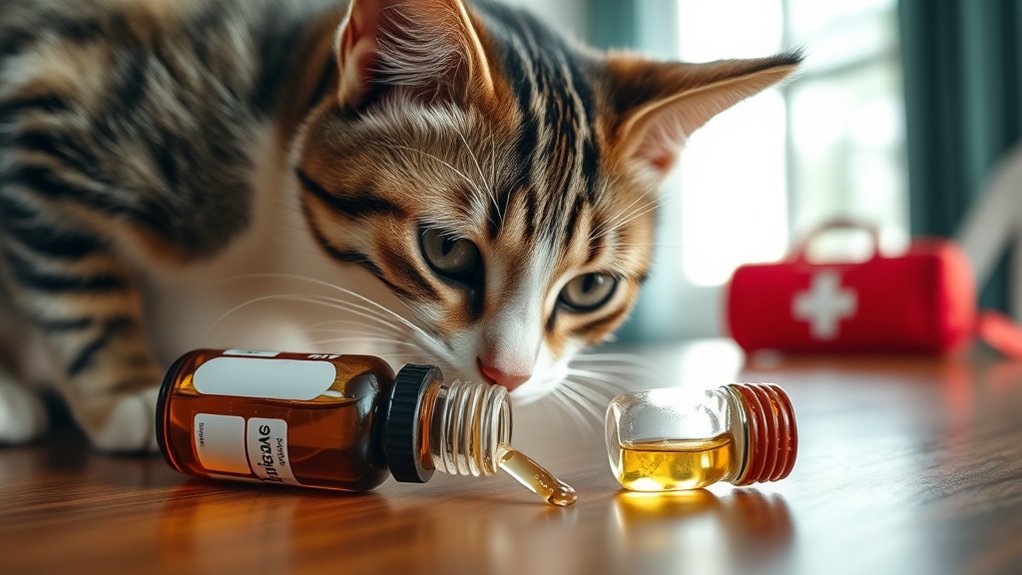
If your cat starts vomiting, seems really tired, or acts confused after getting into peppermint oil, don’t wait—reach out to your vet or the Pet Poison Helpline right away.
It’s important not to try making them vomit or treating them yourself without talking to a professional first, since that might actually do more harm than good.
You can carefully wash any peppermint oil off their fur using some dish soap, and make sure to bring the product packaging with you when you go to the vet.
This will help them figure out the best way to treat your furry friend.
Recognize Poisoning Symptoms
Because peppermint oil poses serious risks to cats, recognizing poisoning symptoms quickly can save your pet’s life. If your cat ingests or inhales peppermint oil, watch for these key symptoms:
- Nausea, vomiting, or pawing at the mouth, indicating gastrointestinal distress.
- Altered mental status or fatigue, which signal neurological impact.
- Drooling and difficulty breathing, signs of respiratory distress requiring urgent attention.
These symptoms indicate peppermint oil poisoning and demand immediate veterinary evaluation. Don’t try to induce vomiting. Instead, contact your vet or the Pet Poison Helpline right away.
Also, bring the peppermint oil container to provide essential details for diagnosis and treatment.
Prompt recognition and action are vital to prevent severe complications like liver damage or respiratory failure in your cat.
Immediate Veterinary Actions
Although it can be alarming to discover your cat has ingested peppermint oil, acting quickly and following professional guidance is essential to ensuring their safety. Contact your veterinarian or the Pet Poison Helpline immediately for advice.
Avoid inducing vomiting unless a professional tells you to. Wash any peppermint oil off your cat’s skin with liquid dish soap to limit further absorption.
Keep a close eye on your cat for signs of distress like vomiting, lethargy, or altered mental status. If you notice any of these, report them promptly.
| Action | Details |
|---|---|
| Contact Professionals | Call veterinarian or Pet Poison Helpline |
| Do Not Induce Vomiting | Only if vet explicitly advises |
| Provide Product Information | Bring peppermint oil container to vet |
Home Care Precautions
When your cat ingests peppermint oil, you need to act promptly and carefully to minimize harm. As a pet parent, knowing the right home care precautions is essential to prevent worsening your cat’s condition before professional help arrives.
If parents find their cat exposed to this PET POISON, follow these steps immediately:
- Gently wash any peppermint oil off your cat’s skin or fur using liquid dishwashing detergent. This helps reduce toxin absorption.
- Avoid inducing vomiting or giving activated charcoal without veterinary advice. Improper treatment can be dangerous.
- Contact your veterinarian or the Pet Poison Helpline right away for tailored guidance.
Keeping peppermint oil products out of your cat’s reach is essential to prevent future exposure and keep your feline safe.
It’s always better to be safe than sorry!
Ingestion vs. Inhalation Risks of Peppermint Oil for Cats
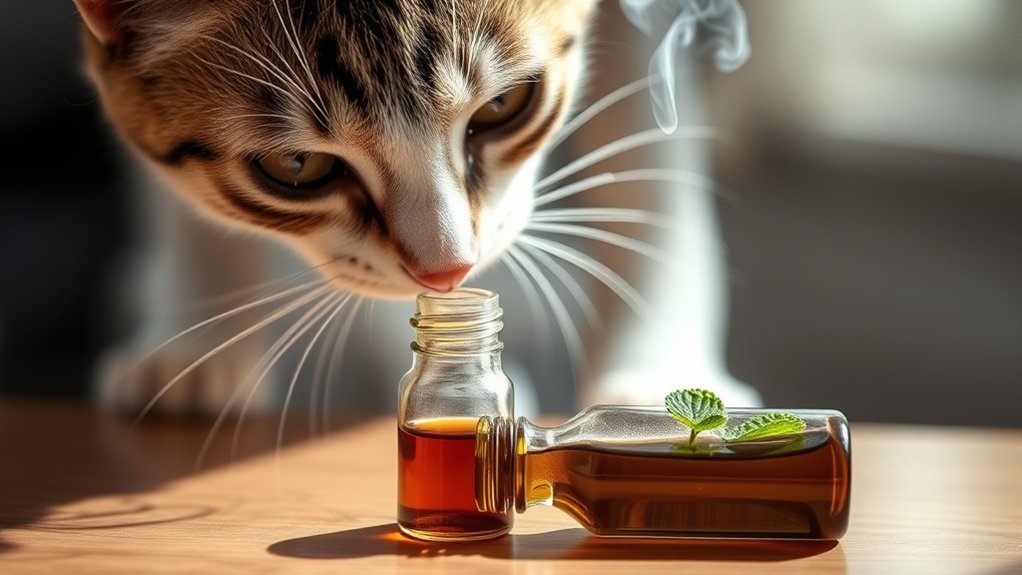
While both ingestion and inhalation of peppermint oil can harm your cat, ingestion presents a far more severe risk. When your cat eats peppermint oil, it can cause serious toxicity, leading to vomiting, nausea, and even liver damage.
Ingesting peppermint oil poses a severe risk to cats, causing toxicity and potentially serious health issues.
Cats metabolize these compounds poorly, so even a small amount can be dangerous.
Inhalation risks exist but are less severe. Direct exposure to peppermint oil vapors may cause respiratory distress or irritation of mucous membranes, which can make your cat uncomfortable or lead to altered mental status.
Since there’s no safe exposure threshold, even inhalation should be avoided.
Watching for signs of toxicity is essential because prompt action can prevent more serious complications.
Always keep peppermint oil out of your cat’s reach to reduce these risks. It’s better to be safe and protect your furry friend from any harm.
Safety of Diluted Peppermint Oil for Cats
You might think that diluting peppermint oil makes it safer for your cat, but even small amounts can still be toxic. Since oil and water don’t mix well, dilution doesn’t always reduce the risk.
Plus, carrier oils used for dilution might upset your cat’s stomach if they happen to ingest it.
Applying diluted peppermint oil directly on your cat’s skin is especially risky because cats tend to lick their fur.
Dilution Effects On Toxicity
Although diluting peppermint oil might seem like a safer option, it still poses significant risks to your cat’s health. Oil and water don’t mix well, so dilution effects don’t guarantee lower toxicity levels.
Even small amounts can cause gastrointestinal upset or respiratory distress in sensitive cats. Veterinarians warn there’s no certified canine or feline safe dilution ratio for peppermint oil.
Consider these points:
- Diluted peppermint oil can still induce vomiting and diarrhea if ingested by cats.
- Toxicity levels remain unpredictable, making any use risky.
- Careful monitoring is essential to catch adverse reactions early.
In short, dilution doesn’t eliminate dangers, so it’s best to avoid peppermint oil around your cat altogether.
Risks Of Topical Use
Even when peppermint oil is diluted for topical use, it still carries significant risks for your cat’s health. The thing about essential oils, like peppermint, is that even small amounts can act as a poison to cats.
Dilution doesn’t guarantee safety because oil and water don’t mix well, leaving concentrated pockets of peppermint oil on the skin. If your cat grooms itself, it might ingest these toxic amounts, which increases the risk of poisoning.
On top of that, carrier oils used to dilute peppermint can upset your cat’s stomach if licked off the fur. So, it’s really a tricky situation.
Veterinary experts strongly advise against applying peppermint oil topically on cats. The potential for large amounts of poison exposure is high, making topical use too risky and unsafe for your feline friend.
It’s just better to avoid it altogether.
Risks of Peppermint Oil Diffusers Around Cats
When peppermint oil diffuses into the air, cats can inhale its strong scent, which may cause respiratory distress because their olfactory systems are really sensitive. You should know about some risks when using peppermint oil diffusers around your feline friends.
First, even small amounts can settle on your cat’s fur. They might lick it off while grooming, which could lead to toxicity.
Small amounts of peppermint oil on fur can be ingested during grooming, potentially causing toxicity in cats.
Also, strong scents might overwhelm cats, mess with their normal behavior, and even trigger asthma or allergic reactions.
Since we don’t know the exact toxicity threshold, any exposure can be risky. So, if you notice any symptoms, it’s important to get veterinary advice right away.
To keep your cat safe, it’s best to avoid peppermint oil diffusers altogether. Instead, think about safer essential oil options that are made with cats in mind.
Safer Peppermint Oil Alternatives for Cats
Given the risks peppermint oil diffusers pose to cats, finding safer alternatives is important for keeping your feline friend comfortable and healthy.
You might consider spearmint, a gentler option that offers similar peppermint leaf benefits without the toxicity concerns. Peppermint hydrosol is another safe choice, useful for soothing burns or insect bites without harming your cat.
Dried peppermint leaves also provide mild natural insect repellents and can be safely inhaled or ingested in small amounts.
For added calming effects, herbal infusions made from cat-friendly herbs like chamomile or lavender serve as effective and safer herbal alternatives.
Always check with your vet before introducing any new substances to guarantee they suit your cat’s health and environment.
How to Prevent Essential Oil Poisoning in Cats
Although essential oils can enhance your home’s atmosphere, you need to take careful steps to prevent poisoning in cats. Their sensitive systems make safe usage vital, especially with oils like peppermint.
To protect your feline friend, follow these steps:
- Prioritize essential oil storage by keeping all oils securely out of your cat’s reach. This helps prevent accidental ingestion or exposure.
- Use essential oils cautiously. Make sure there’s proper ventilation and avoid aerosol sprays that your cat could inhale.
- Keep an eye on your cat’s behavior after exposure for any signs of distress.
Also, clean up any spills right away to remove harmful residues.
Other Essential Oils That Can Be Dangerous for Cats
Since cats lack certain liver enzymes, many essential oils that seem harmless to us can be highly toxic to them. Oils like pine needle, lavender, clove, citrus, eucalyptus, tea tree, wintergreen, thyme, oregano, cinnamon, and ylang ylang pose serious risks if ingested or inhaled by your cat.
Even diluted oils don’t guarantee safety due to their chemical nature.
To protect your feline friend, avoid using these oils around your home. Instead, consider cat-safe plants or essential oil alternatives that provide pet-friendly fragrances without the dangers.
Protect your cat by avoiding harmful oils and choosing safe plants or pet-friendly fragrance alternatives.
Always prioritize your cat’s health by consulting a veterinarian before introducing any new scents or products. Choosing safer options helps prevent poisoning and keeps your home a healthy environment for your pet.
When to Contact a Vet About Essential Oil Exposure
How do you know when to call a vet after your cat has been exposed to peppermint oil? It’s important to prioritize essential oil safety by keeping a close eye on your cat’s health.
If you notice any signs of aromatic toxicity or distress, don’t wait—contact a veterinarian right away.
Here are three critical points to guide you:
- If your cat shows symptoms like vomiting, nausea, fatigue, or difficulty breathing, call a vet immediately.
- Even if there are no obvious symptoms, report any inhalation or ingestion of peppermint oil, since toxicity levels aren’t clearly defined.
- Never try to induce vomiting or give activated charcoal without talking to a vet first. Keep the product packaging handy so you can provide accurate info.
Getting prompt vet advice ensures your cat gets the best care and stays safe from any potential aromatic toxicity.
Frequently Asked Questions
Can Peppermint Oil Affect a Cat’s Behavior or Mood?
Yes, peppermint oil can definitely affect your cat’s behavior and mood.
Cats have sensitive noses, so essential oils like peppermint can cause mood changes such as anxiety, lethargy, or disorientation.
You might notice shifts in your cat’s behavior like decreased playfulness or eating less.
It’s important to watch for these signs because exposure to certain essential oils can lead to discomfort or even toxicity.
Always use caution around your furry friend.
Is Peppermint Oil Harmful to Kittens or Only Adult Cats?
Think of peppermint oil like a hidden storm for your kittens’ sensitivity. It’s harmful to both kittens and adult cats. Their tiny bodies can’t handle oil ingestion well, making essential oils especially risky.
Kittens are even more vulnerable because their developing systems struggle to process toxins. Instead, you should seek essential oil alternatives that are safe for feline friends.
Always prioritize their health by avoiding peppermint oil altogether.
Are There Any Benefits of Peppermint Oil for Cats in Veterinary Medicine?
You’ll find limited peppermint oil uses in veterinary medicine for cats, mainly in highly controlled, diluted forms.
Some vets explore it cautiously within feline aromatherapy or natural remedies for digestive or mild respiratory issues.
However, because of the risks and scarce research, you shouldn’t use peppermint oil on your cat without strict veterinary guidance.
Always prioritize safety and consult your vet before considering any peppermint oil treatments for your feline friend.
How Long Does Peppermint Oil Remain Toxic in a Cat’s System?
Peppermint oil absorption in cats varies, so the toxicity duration can be unpredictable.
Because their cat detoxification process is slower due to limited liver enzymes, peppermint oil may remain harmful for hours to days.
You can’t pinpoint an exact timeline since each cat metabolizes it differently.
If your cat is exposed, watch for symptoms and get veterinary help immediately to support detoxification and reduce risks.
Can Peppermint Plants Cause Similar Risks as Peppermint Oil to Cats?
Peppermint plants don’t usually cause the same peppermint toxicity risks as peppermint oil, but plant exposure still requires caution for cat safety.
While cats might nibble on leaves without severe issues, mild gastrointestinal upset can occur. The essential oils in the plant are less concentrated, reducing toxicity risk compared to the oil.
That said, it’s always best to keep an eye on your cat after they come into contact with peppermint plants.
If you notice any unusual behavior or symptoms, don’t hesitate to consult your vet. Better safe than sorry!
Conclusion
While peppermint oil might seem like a rejuvenating natural remedy, it poses serious risks to your cat’s health. Even diluted forms can cause harm. This contrasts the oil’s soothing reputation with its toxic reality for felines.
By understanding these dangers and choosing safer alternatives, you protect your furry friend from unnecessary poisoning. Always stay vigilant and contact your vet immediately if exposure occurs. Your cat’s safety should never be compromised for convenience or aroma.