How Long Can A Cat Live With Hyperthyroidism – Treatment And Life Expectancy
If your cat has hyperthyroidism, timely treatment can greatly extend their life, often adding several years. Medications like methimazole manage symptoms effectively, while iodine therapy offers a near cure with a 95-98% success rate.
After treatment, regular check-ups help catch side effects early and monitor thyroid health. Untreated, hyperthyroidism can lead to serious complications, but with proper care, your cat can enjoy a good quality of life.
There’s more to know about managing this condition and supporting your feline companion. It’s all about keeping them comfortable and healthy for as long as possible.
Understanding Hyperthyroidism in Cats
Hyperthyroidism in cats happens when their thyroid glands produce too many hormones. This usually occurs because of benign changes that are common in cats aged seven and older.
When the thyroid hormone is overproduced, it speeds up your cat’s metabolism, which leads to symptoms like weight loss even though they’ve a strong appetite and seem more active.
You might also notice some changes in your cat’s behavior.
To diagnose hyperthyroidism, vets run blood tests that look for high thyroid hormone levels. Most of the time, the Total T4 level is elevated.
The good news is that treatment options work well and there are several to choose from. You can try medications like methimazole, special low-iodine diets, surgery to remove the thyroid gland, or radioactive iodine therapy, which often cures the condition.
With early diagnosis and the right treatment, you can really improve your cat’s life expectancy and add several healthy years to their life.
Early Signs of Hyperthyroidism to Watch For
Recognizing the early signs of thyroid issues can help you get your cat the care it needs before complications arise. One key indicator is an increased appetite paired with noticeable weight loss, even though your cat is eating more.
You might also notice behavioral changes, such as sudden hyperactivity or aggression.
Frequent vomiting can occur and may be mistaken for other problems, so keep a close eye on this symptom. Look for poor grooming habits or a scruffy appearance, which often signal health concerns in older cats.
Furthermore, increased thirst and urination are common as hyperthyroidism affects your cat’s metabolism and hydration needs.
Spotting these signs early allows you to seek veterinary advice promptly, improving your cat’s comfort and quality of life.
Treatment Options to Extend Your Cat’s Life
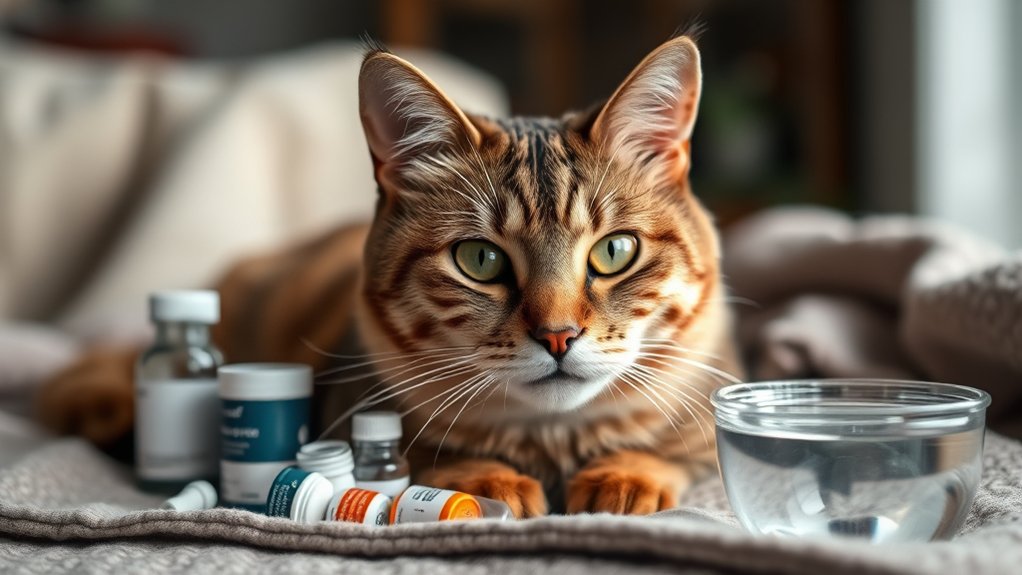
Although managing your cat’s hyperthyroidism can be challenging, several effective treatment options are available to extend their life and improve their quality of life.
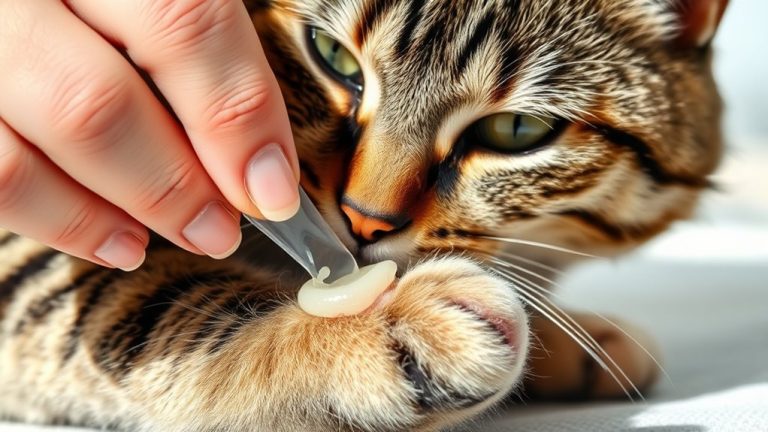
Methimazole is a common treatment that can add an average of 5.3 years to your cat’s life expectancy. You can give it as oral tablets or transdermal gels, making administration easier.
Methimazole can extend your cat’s life by over five years and is easy to administer.
Another option is iodine (I-131) therapy, which offers a 95% to 98% cure rate and can greatly extend life expectancy by potentially eliminating the need for ongoing medication.
Feeding a low-iodine diet exclusively helps manage symptoms, but it’s not a standalone solution.
Regular veterinary check-ups are essential to monitor kidney function and adjust treatment, ensuring cats with hyperthyroidism maintain the best quality of life possible.
What Happens After Radioactive Iodine Treatment
After your cat has radioactive iodine treatment, they’ll stay at the clinic for a little while. This is just to make sure they recover safely and the vets can keep an eye on them.
Most cats end up with a permanent cure, which is great news.
But it’s still important to book follow-up visits. These check-ups help track your cat’s thyroid health and catch any side effects early on.
With the right care, your cat’s quality of life can really improve over the long term.
Post-Treatment Monitoring
While your cat recovers from radioactive iodine treatment, regular monitoring visits become vital to confirm their thyroid hormone levels and overall health stay on track.
Post-treatment checks typically occur at 6 weeks, 3 months, and 6 months. During these visits, your vet will perform blood tests to detect any rebound hyperthyroidism or signs of hypothyroidism, which can affect about 2% of cats.
These monitoring appointments are essential to guarantee your cat’s health improves and to promptly address any hormone imbalances.
Most cats respond well, with under 1% remaining hyperthyroid after 6 months, highlighting the treatment’s success. Staying diligent with these health checks helps maintain your cat’s quality of life and allows timely intervention if complications arise after treatment.
Success And Side Effects
Because radioactive iodine treatment offers a cure rate between 95% and 98%, it stands as one of the most effective ways to manage your cat’s hyperthyroidism. I-131 therapy targets overactive thyroid tissue, normalizing thyroid hormone levels with minimal side effects. Most cats respond well, with less than 1% remaining hyperthyroid after six months.
However, about 2% may develop hypothyroidism, showing signs like weight gain or coat changes. Compared to surgery, I-131 therapy is safer and leads to fewer complications.
Success depends on long-term monitoring through vet visits at six weeks, three months, and six months post-treatment. These check-ups make sure your cat’s thyroid hormone levels and overall health stay balanced. This approach helps you manage your cat’s condition effectively and compassionately.
Long-Term Health Outlook
When your cat undergoes radioactive iodine treatment, you can expect a substantial improvement in their health and a notable reduction in hyperthyroid symptoms. Over 95% of cats see significant relief, often considered cured, which boosts their quality of life and life expectancy by an average of 5.3 years.
Long-term monitoring is essential to track thyroid levels and overall health. Vet visits are usually scheduled at 6 weeks, 3 months, and 6 months.
| Outcome | Percentage |
|---|---|
| Significant symptom relief | >95% |
| Remain hyperthyroid | <1% |
| Develop hypothyroidism | ~2% |
| Life expectancy increase | +5.3 years on average |
This long-term approach makes sure your cat thrives after treatment.
Managing Side Effects of Hyperthyroidism Treatments
When you’re treating your cat’s hyperthyroidism, it’s really important to keep an eye out for common side effects like nausea or changes in appetite. These can pop up and might need some attention.
Regular check-ups are key because they help catch any symptoms early on. If your cat starts to develop hypothyroidism, the treatment can be adjusted to keep things balanced.
Common Medication Side Effects
Although methimazole effectively manages hyperthyroidism in cats, it can cause side effects that you should watch for closely. Common medication side effects include decreased appetite, nausea, and, in rare cases, bone marrow suppression. About 10-15% of cats experience these issues, which may require stopping methimazole or switching treatments.
Transdermal methimazole offers a less stressful option but can still cause similar reactions. Careful monitoring through regular veterinary check-ups is essential, especially during the first few months of treatment, to catch side effects early.
If side effects become severe or unmanageable, treatments like radioactive iodine therapy may be recommended, as they often have fewer long-term complications. Staying vigilant helps guarantee your cat’s comfort and safety throughout hyperthyroidism management.
Monitoring Post-Treatment Symptoms
Since managing hyperthyroidism in your cat involves ongoing care, monitoring post-treatment symptoms is essential for guaranteeing their well-being.
After treatment, your vet will schedule visits at 6 weeks, 3 months, and 6 months to evaluate thyroid hormone levels and overall health. Regular blood tests help detect side effects like changes in kidney function or the rare development of hypothyroidism, which affects about 2% of treated cats.
You’ll want to watch for symptoms such as weight gain or behavioral changes that could signal hypothyroidism.
If your cat is on methimazole, be alert for nausea or loss of appetite, as these require prompt attention.
Effective monitoring after treatment guarantees any complications are caught early, supporting the best possible quality of life for your cat.
Managing Hypothyroidism Risks
Even after successful hyperthyroidism treatment, some cats may develop hypothyroidism, which requires your close attention. About 2% of cats show clinical signs like weight gain, coat changes, increased drinking, or personality shifts.
It’s essential to monitor your cat closely and schedule regular veterinary check-ups to assess thyroid hormone levels. In some cases, these levels may normalize naturally.
However, if hypothyroidism persists, your vet may recommend an effective treatment for cats involving thyroid hormone supplementation in their food.
This treatment is usually well-tolerated and has minimal side effects. By staying vigilant and working closely with your veterinarian, you can manage hypothyroidism risks effectively and help maintain your cat’s quality of life after hyperthyroidism treatment.
Long-Term Monitoring After Treatment
When your cat completes treatment for hyperthyroidism, regular veterinary check-ups become essential to guarantee their ongoing health. Long-term monitoring helps detect any relapse or complications early, ensuring your cat’s well-being.
You’ll need to follow a schedule of veterinary check-ups at 6 weeks, 3 months, and 6 months post-treatment. These visits typically include clinical examinations to assess overall health, blood tests to monitor thyroid hormone levels, urine tests to check kidney function, blood pressure measurements to prevent cardiovascular issues, and evaluation for hypothyroidism, which may develop after treatment.
If your cat doesn’t fully respond initially, a second radio-iodine treatment might be necessary within six months.
When Your Cat Needs Extra Care or Euthanasia
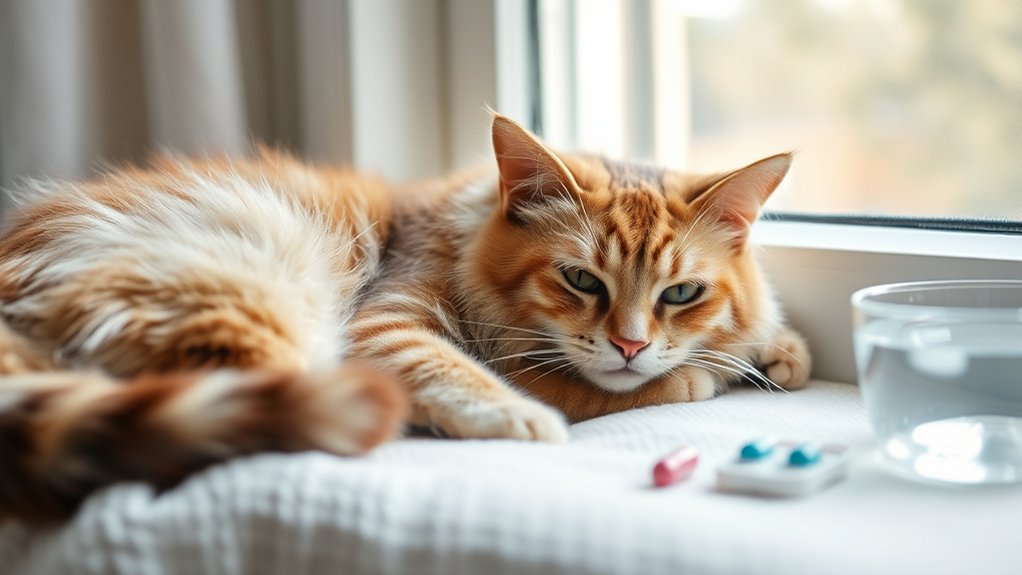
Keeping a close watch on your cat’s health after hyperthyroidism treatment helps you spot any new challenges early. If your cat develops complications like kidney disease or heart disease, they may need extra care to maintain a good quality of life.
Regular vet visits and monitoring are key to evaluating how well your cat responds to treatment and managing these conditions.
Sometimes, despite your best efforts, multiple health issues can severely impact your cat’s comfort and well-being. In such cases, discussing euthanasia with your veterinarian becomes a compassionate option to prevent unnecessary suffering.
Always prioritize your cat’s overall health, and make decisions based on their quality of life.
Make sure your cat remains as comfortable and pain-free as possible. Remember, you’re doing everything you can to support your furry friend through these challenges.
How Hyperthyroidism Affects Your Cat’s Lifespan
Although hyperthyroidism poses serious health risks, effective treatment can greatly extend your cat’s lifespan and improve their quality of life. With timely diagnosis and proper care, your cat can live many more happy years despite this condition.
Here are some key points to keep in mind about how hyperthyroidism affects lifespan:
Treatment with methimazole or iodine (I-131) therapy can add an average of 5.3 years to your cat’s life.
I-131 offers a cure rate between 95% and 98%, often restoring normal lifespan.
If hyperthyroidism goes untreated, it can lead to complications like chronic kidney and heart disease, which can reduce your cat’s lifespan.
That’s why regular follow-ups are super important to monitor health and adjust treatment as needed.
Managing hyperthyroidism promptly not only extends life but also enhances your cat’s quality of life by preventing severe health issues.
Frequently Asked Questions
Can Hyperthyroidism in Cats Be Prevented Through Diet?
You can’t fully prevent hyperthyroidism in cats through diet alone, but dietary modifications can help manage risk.
Focus on specific ingredients like low-iodine foods, adjust feeding frequency, and consider nutritional supplements that support thyroid health.
Weight management plays a key role too.
Combining these with holistic approaches, including regular vet check-ups, gives your cat the best chance to stay healthy and reduce hyperthyroidism risks effectively.
Are Certain Cat Breeds More Prone to Hyperthyroidism?
You might think some breeds are doomed to hyperthyroidism, but it’s mostly age factors at play here.
While breeds predisposition like Siamese cats show slight tendencies, environmental influences and hormonal imbalances matter more. Genetic markers haven’t nailed down a breed link, so all older cats can face this.
Keep an eye on weight considerations too, as they signal health changes.
How Does Hyperthyroidism Affect a Cat’s Behavior?
You’ll notice your cat showing restlessness symptoms, like pacing or constant movement, alongside vocalization changes such as increased meowing.
Hyperthyroidism causes weight loss despite an increased appetite, leading to frustration that can trigger aggression factors and irritability.
Sometimes, lethargy signs appear, signaling serious health concerns.
These behavioral shifts reflect hormonal imbalances, so you should watch closely and consult your vet to manage your cat’s comfort and well-being effectively.
Is Hyperthyroidism in Cats Contagious to Other Pets?
No, hyperthyroidism in cats isn’t contagious to other pets. You’ll want to focus on spotting the symptoms and getting a vet’s diagnosis early.
Treatment options include medication management, diet considerations, or other therapies tailored to your cat’s needs.
With proper long-term care and regular vet check-ups, your cat can live comfortably despite the condition.
Remember, hyperthyroidism affects only the individual cat and won’t spread to your other pets.
What Are the Costs of Different Hyperthyroidism Treatments?
Steering through hyperthyroidism treatment costs feels like balancing a delicate dance.
Medication costs for methimazole usually run $30 to $100 monthly, while surgery expenses can soar between $500 and $1,200.
Dietary supplements like Hill’s y/d diet add $50 to $70 per month.
Radioactive iodine therapy, a powerful yet pricier option, ranges from $700 to $1,500.
Don’t forget long term care and vet visits, which add to expenses.
Check your insurance coverage to ease the financial rhythm.
Conclusion
If your cat has hyperthyroidism, know that with proper treatment, many live 2 to 3 years or more. They often enjoy a good quality of life during that time. Imagine your furry friend still chasing toys and curling up beside you well beyond diagnosis.
Early detection and consistent care make all the difference. Stay vigilant, work closely with your vet, and provide the love your cat needs. You’re giving them the best chance at many happy days ahead.