Can I Catch A Cold From My Cat – What You Should Know
You can’t catch a cold from your cat because the viruses causing cat colds, like feline herpesvirus and calicivirus, are specific to cats and don’t infect humans. While your cat may sneeze and have watery eyes, their illness won’t spread to you.
Understanding the differences between cat and human colds can help ease your mind. Plus, knowing how to care for your furry friend and when to seek veterinary help can keep both of you healthy and comfortable.
Causes and Spread of Cat Colds
Although cat colds might seem similar to human colds, they’re caused by specific viruses like feline herpesvirus and calicivirus that only affect cats. These viral infections lead to upper respiratory infections with symptoms such as sneezing, nasal discharge, and eye irritation.
The cold virus spreads rapidly among cats through close contact, sneezing, and shared spaces. Outdoor cats and those in boarding facilities face higher susceptibility due to increased exposure.
Cats with weakened immune systems, whether from stress, malnutrition, or existing health issues, are more vulnerable to catching these infections.
Practicing good hygiene, ensuring regular vaccinations, and minimizing stress can greatly reduce the spread of cat colds. Understanding these causes and the way the infection spreads helps you protect your feline friend effectively.
How Cat Colds Differ From Human Colds
When you notice your cat sneezing or having watery eyes, it’s important to understand that their cold isn’t the same as yours. Cat colds are caused by upper respiratory infections and come from specific viruses like feline herpesvirus and calicivirus. These viruses aren’t transmissible to humans.
Their symptoms include sneezing, watery eyes, and sniffles, which differ from human colds that often include sore throats and body aches. Human colds usually resolve within a week. Cat colds, on the other hand, can last one to two weeks, so you’ll need to watch your cat carefully for any signs that things might be getting worse.
Both cat colds and human colds spread only within their own species, so they don’t cross over. Knowing these differences really helps you care for your cat effectively without worrying about catching their cold.
It’s good to keep these points in mind when your furry friend isn’t feeling well.
Signs of Cat Colds to Watch For
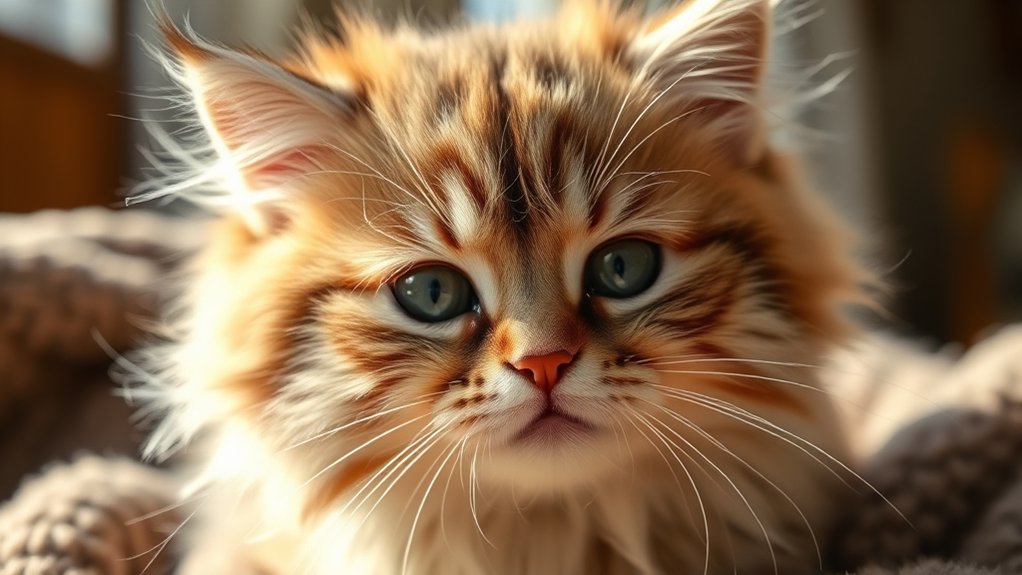
You’ll want to watch for common signs like sneezing, watery eyes, and a runny nose when your cat has a cold.
Also, if you notice coughing, a loss of appetite, or even a mild fever, these could signal a more serious issue.
Paying attention to these symptoms really helps you decide when it’s time to see the vet.
Common Cat Cold Symptoms
Recognizing common cat cold symptoms can help you respond quickly to your pet’s needs. Cat colds often present as signs of an upper respiratory infection, including sneezing, a runny nose, watery eyes, and sniffles.
These symptoms typically result from viral infections caused by feline herpesvirus or calicivirus. You might also notice a mild fever.
While most symptoms improve within 1-2 weeks, it’s important to monitor your cat’s health closely. If symptoms worsen or your cat shows signs like coughing or loss of appetite, seek veterinary attention promptly.
Severe Signs To Monitor
Although mild sneezing and sniffles are common signs of a cat cold, you should watch closely for more severe symptoms that suggest your cat’s condition is worsening.
Monitor your cat for persistent coughing, a runny nose, or watery eyes, as these signs indicate a progressing respiratory infection.
Pay attention if your cat shows lethargy, reduced appetite, or difficulty breathing. These symptoms require prompt veterinary care.
A mild fever can accompany these cold symptoms, so check for any changes in temperature or behavior.
If symptoms persist beyond four days without improvement, don’t hesitate to seek veterinary advice.
Early intervention can prevent complications and help your cat recover faster. Staying vigilant and responsive to these severe signs is essential for your cat’s health.
Caring for Cats With Cold Symptoms
When your cat has a runny nose, try gently wiping it with a clean cloth and some saline solution. This helps keep them comfortable.
You’ll also want to encourage them to eat by offering warm, tasty food—it’s important to keep their strength up and make sure they stay hydrated.
Plus, creating a calm and humid environment can really help ease their congestion and support their recovery.
Managing Runny Nose
If your cat develops a runny nose, it’s important to keep the area clean and comfortable by gently wiping it with a clean cloth and saline solution.
Using a humidifier can help reduce nasal congestion and prevent dryness, making it easier for your cat to breathe.
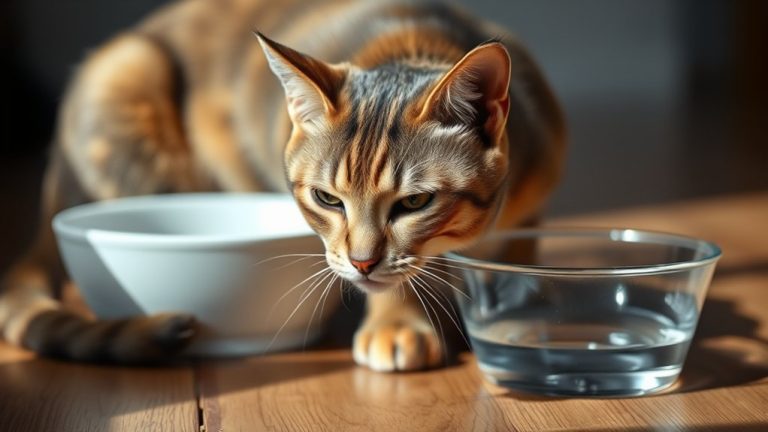
Make sure to monitor your cat’s hydration closely and ensure they drink enough water. You might even mix water into their food to encourage them to take in more fluids.
While warm food can be more appealing during recovery, focus here on managing nasal symptoms.
Keep a close eye on your cat’s health. If the runny nose sticks around for more than a few days or gets worse, don’t hesitate to consult your veterinarian.
Timely care helps cats recover more comfortably and prevents complications.
Encouraging Food Intake
Keeping your cat comfortable during a cold includes making mealtime inviting, especially since nasal congestion can reduce their appetite. Encouraging food intake is essential for their nutrition and hydration, which supports illness recovery.
Warm their food to enhance aroma and add wet food or toppers to stimulate appetite. Mixing water into meals helps maintain hydration. Creating a cozy environment can reduce stress, which encourages regular eating.
Make sure to monitor their eating and drinking closely so you can catch any declines in intake early.
| Strategy | Benefit | Tip |
|---|---|---|
| Warm Food | Enhances aroma | Heat gently for safety |
| Add Wet Food | Improves palatability | Use toppers for variety |
| Mix Water in Food | Maintains hydration | Adjust consistency for ease |
These steps encourage your cat’s food intake during cold symptoms for a smoother recovery.
Maintaining Comfortable Environment
Although your cat’s cold symptoms can be distressing, maintaining a comfortable environment plays an essential role in their recovery.
You should maintain a warm, cozy resting area with extra blankets to help your cat regulate body temperature and feel secure. Using a humidifier in your home can reduce air dryness, easing nasal congestion and discomfort.
Gently wiping your cat’s runny nose and watery eyes with a clean cloth keeps them comfortable and prevents irritation.
For additional relief, try a steam treatment by covering a pet carrier with a blanket over a bowl of hot water to soothe sinus pressure.
Preventing Cat Colds in Your Home
Three key steps can help you prevent cat colds in your home and keep your feline friend healthy.
First, maintain a clean indoor environment by reducing dust and allergens that can irritate your cat’s respiratory system.
Keep your home clean by minimizing dust and allergens to protect your cat’s respiratory health.
Second, verify your cat’s vaccinations are up-to-date, especially against feline herpesvirus and calicivirus, which are the primary causes of respiratory infections.
Third, support your cat’s immune system with a balanced diet rich in essential nutrients.
You should also limit exposure to crowded environments or outdoor cats where infections spread easily.
Moreover, regular veterinary check-ups are vital for early detection and prevention.
When to Take Your Cat to the Vet
How do you know when your cat’s cold needs a vet’s attention? Most cat colds clear up within 1-2 weeks, but if symptoms linger beyond four days, it’s time to seek veterinary care.
Immediate vet visits are essential if your cat shows coughing, difficulty breathing, or a marked loss of appetite.
Kittens, senior cats, and those with weakened immune systems face higher risks and need close monitoring for worsening signs.
Nasal discharge that’s green or yellow often signals a secondary infection requiring prompt treatment.
These symptoms could indicate an upper respiratory infection that won’t resolve on its own.
Timely veterinary care helps prevent complications and guarantees your cat recovers safely.
Don’t hesitate to contact your vet if you notice these concerning symptoms.
Managing Persistent or Worsening Cat Colds
When your cat’s cold symptoms stick around beyond four days or seem to get worse, you should consult your veterinarian to rule out complications.
Persistent cold symptoms might signal secondary bacterial infections or a severe upper respiratory infection.
To manage your cat’s condition effectively, focus on monitoring their eating and hydration.
Make sure your cat stays nourished and hydrated because poor intake can make their health worse.
Also, maintain a warm environment.
Use a humidifier and provide a cozy space to ease cold symptoms and support recovery.
If you notice coughing, difficulty breathing, or loss of appetite, see a vet immediately to address possible complications.
Taking these steps helps you respond quickly to a persistent cold and protect your cat’s well-being.
Can Humans Catch Cat Colds From Their Cats?
Can you catch a cold from your cat? The answer is no. Cat colds are caused by specific viral infections like feline herpesvirus and calicivirus, which affect only cats and aren’t contagious to humans.
You cannot catch a cold from your cat, as their viruses only affect felines, not humans.
These upper respiratory infections produce symptoms such as sneezing, runny nose, and watery eyes in cats, but they don’t present a health risk to you.
As a pet owner, it’s important to understand that while cat colds easily spread among cats, humans can’t catch these infections.
Knowing this helps alleviate concerns about transmission between species.
Frequently Asked Questions
Can Cat Cold Viruses Survive on Household Surfaces?
Yes, cat cold viruses can survive on household surfaces for hours to days, depending on the surface types and environmental factors. This means the virus can hang around longer than you might expect.
Because of this, the risk of infection among cats goes up due to cross contamination concerns.
You can reduce the virus lifespan by following strict cleaning protocols and using effective disinfection methods. It really helps to keep things clean and sanitized.
Maintaining good pet hygiene and regularly cleaning shared items also plays a big role.
By doing this, you help prevent cold symptoms in your cat and keep the environment safer for everyone.
It’s all about being proactive and staying on top of cleanliness. Your cat will thank you for it!
Are Certain Cat Breeds More Prone to Colds?
Think of your cat’s immunity as a delicate tapestry woven from feline genetics and environmental factors.
While no breed is universally more vulnerable, those with flat faces, like Persians, often face respiratory health challenges. This increases their susceptibility to colds.
Kittens and seniors tend to show common symptoms more often because their defenses are weaker.
You can reduce infection transmission by understanding breed characteristics and following care tips.
Embracing preventive measures helps keep your cat thriving.
It’s all about knowing your furry friend’s needs and giving them the best chance to stay healthy.
How Long Do Cat Colds Typically Last?
Cat cold symptoms typically last 7 to 10 days, but the duration can vary depending on your cat’s health, stress levels, and the environment.
You might notice sneezing, coughing, or watery eyes during this time.
Cats usually catch colds through close contact with other cats.
Treatment can include simple home remedies, but if symptoms stick around, it’s a good idea to check in with your vet.
To help prevent cat colds, focus on reducing stress and keeping your cat’s environment clean.
And if things get worse or don’t improve, don’t hesitate to consult your vet to avoid complications and make sure your cat gets the right care.
Can Cat Colds Affect Kittens Differently Than Adult Cats?
Yes, kitten immunity is much weaker than adult resilience, making cold symptoms more severe in young cats.
Respiratory health in kittens can decline rapidly due to viral transmission, requiring quicker treatment options.
You’ll notice longer recovery time and increased lethargy in kittens compared to adults.
Environmental factors and stress impact their health more considerably, so understanding these age differences helps you provide better care and prevent complications in your kitten’s cold.
Do Vaccinations Prevent Cat Colds?
Vaccinations don’t fully prevent cat colds but they do a great job boosting your cat’s immune response against feline respiratory infections. They help reduce common symptoms and complications, making things easier for your furry friend.
Prevention also means limiting stress, thinking about your cat’s age, and whether they spend more time indoors or outdoors.
Following your vet’s advice is super important too.
While treatments can help manage symptoms, keeping up with regular vaccinations is still key for your cat’s health and comfort.
It’s all about giving them the best chance to stay well.
Conclusion
You might worry about catching a cold from your cat, but rest easy. Cat colds and human colds dance to different tunes. While your feline friend’s sniffles tug at your heartstrings, they won’t pass their cold on to you.
Keep a watchful eye and care with kindness. If symptoms worsen, call your vet. Together, you and your cat can weather the storm, turning cold days into moments of gentle healing and warmth.