How Long Does Gabapentin Last In Cats – Duration And Effects
Gabapentin’s effects in cats generally begin within 1 to 2 hours and last about 8 to 12 hours, providing pain relief and calming anxiety. The medication reaches peak effectiveness around 2 to 3 hours after you give it.
Dosage and your cat’s age or health can influence how long it works. This is especially true if kidney or liver issues are present.
If you want to understand dosing, side effects, and safety tips, there’s more important information ahead.
What Is Gabapentin And How Does It Work In Cats?
Gabapentin is a medication that’s widely used in feline medicine to manage seizures, pain, and anxiety. When you give gabapentin to cats, it works by inhibiting calcium flow into nerve cells, which reduces the release of neurotransmitters linked to pain and anxiety. This action helps control chronic pain and calms stress-related behaviors.
Gabapentin is often used off-label, so it’s essential to consult your veterinarian for the proper dosage. Typically, this ranges from 5 to 10 mg/kg based on your cat’s weight and condition.
Understanding gabapentin’s effects allows you to manage your cat’s health effectively, ensuring pain relief and seizure control while minimizing risks.
Always follow your veterinarian’s guidance for safe and effective use. If you have any concerns or questions about giving gabapentin to your cat, don’t hesitate to reach out to your vet. They’re the best source of advice tailored to your furry friend’s needs.
When Does Gabapentin Start Working In Cats?
You’ll usually notice gabapentin starting to work in your cat within 1 to 2 hours after giving the dose.
It typically reaches its peak effect around 2 to 3 hours after administration.
Knowing this timing can help you plan the dosing schedule for the best results.
Onset Time Frame
How quickly you notice relief after giving your cat gabapentin depends on several factors. The onset time frame typically ranges from 1 to 2 hours after oral administration.
Here are four key points to keep in mind:
- Individual cat’s metabolism greatly influences how fast gabapentin starts working.
- Age and weight can affect the duration of action and overall drug absorption.
- Cats with kidney or liver disease may experience prolonged effects due to slower drug clearance.
- The effects of gabapentin generally last between 8 to 12 hours, with peak effects occurring around 2 to 3 hours post-dose.
Understanding these factors helps you anticipate when your cat will begin to feel relief and how long it will last.
It’s pretty helpful to keep these things in mind when giving medication. That way, you know what to expect and can better care for your furry friend.
Peak Effect Timing
Although it may take some time to notice the full benefits, your cat usually experiences the peak effects of gabapentin about 2 to 3 hours after you give the dose. The onset of action typically occurs within 1 to 2 hours, so you’ll see initial calming effects before peak effectiveness sets in.
Understanding this timing is vital when you administer gabapentin, especially before stressful events like vet visits or travel. Since the duration of effects generally lasts 8 to 12 hours, planning doses around these periods guarantees your cat benefits fully.
Keep in mind that factors such as age, weight, and health can influence how long gabapentin lasts and when peak effectiveness occurs in your cat.
How Long Does Gabapentin Last In A Cat’s System?
You’ll find that gabapentin typically lasts in a cat’s system for about 8 to 12 hours. Its effects usually peak around 2 to 3 hours after dosing.
The drug is metabolized and cleared fairly quickly, with a plasma half-life of about 3 to 4 hours.
That said, if your cat has liver or kidney issues, they might process gabapentin more slowly. This can extend how long the medication stays active in their system.
Duration Of Effect
Because gabapentin begins to take effect within 1 to 2 hours after administration, you can expect its calming and pain-relieving properties to last approximately 8 to 12 hours in your cat.
Understanding the duration of effect helps you time doses effectively.
Here’s what you need to know:
- Onset: Effect starts 1 to 2 hours post-administration.
- Peak Effects: Reach maximum intensity around 2 to 3 hours after dosing.
- Duration: Lasts roughly 8 to 12 hours, influenced by individual response.
- Plasma Half-Life: About 3 to 4 hours; longer in cats with kidney or liver conditions.
Keep these points in mind to optimize gabapentin’s use, ensuring your cat benefits fully from its effects without unnecessary overlap or gaps.
Just remember to watch how your cat responds, as every pet is a bit different.
Metabolism And Clearance
When you give gabapentin to your cat, understanding how their body processes and eliminates the drug is key to managing its effects effectively.
Gabapentin’s metabolism in cats is minimal, as the drug is primarily cleared through the kidneys. This renal clearance determines the duration gabapentin remains active in your cat’s system.
The plasma half-life typically ranges between 3 to 4 hours, meaning the drug concentration halves during this period. After oral administration, effects peak within 2 to 3 hours and generally last 8 to 12 hours.
However, if your cat has renal impairment, the clearance slows down, prolonging the drug’s presence and potentially increasing its effects.
What Is The Typical Dosage Of Gabapentin For Cats?
Although gabapentin dosages vary depending on your cat’s condition and weight, the typical range falls between 2 to 5 mg per pound of body weight, given every 8 to 12 hours.
Gabapentin doses for cats typically range from 2 to 5 mg per pound every 8 to 12 hours.
This dosage of gabapentin is commonly used to treat chronic pain, anxiety, and provide short-term pain relief. When dosing, especially for older cats, start low to reduce common side effects like sedation.
Always consult your veterinarian before adjusting doses.
Here’s a quick overview:
- Chronic pain doses usually stay below 50 mg per administration.
- Anxiety doses range from 50 to 200 mg, given 2-3 hours before stress.
- Older cats or those with kidney issues start at 5-10 mg/kg.
- Monitor closely for increased sedation at higher doses.
Following these guidelines guarantees safe and effective treatment.
How Do You Safely Give Gabapentin To Your Cat?
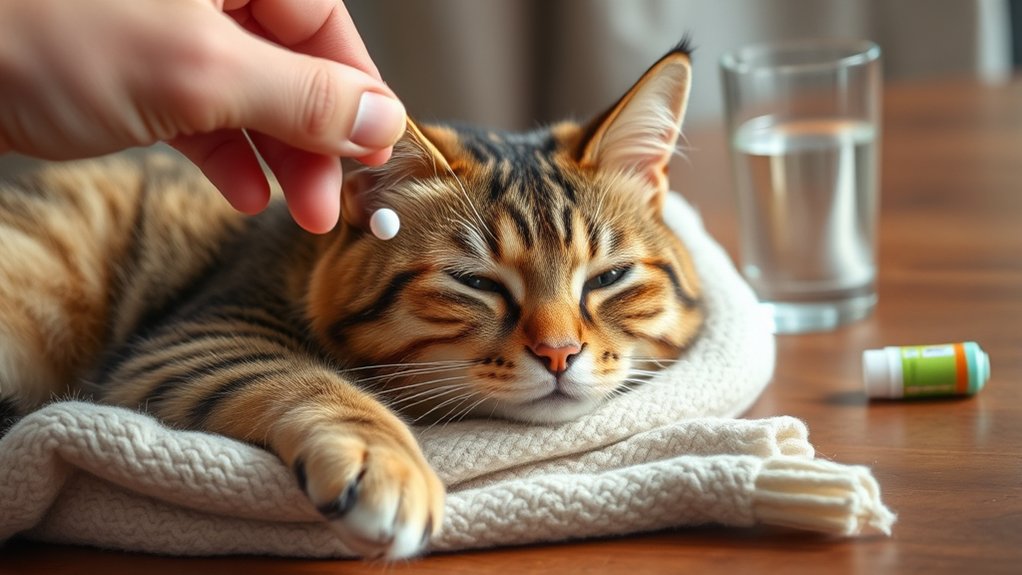
Knowing the correct dosage of gabapentin is only part of keeping your cat safe and comfortable during treatment. To give gabapentin safely to your cat, always check with a veterinarian for personalized advice. This is especially important if your cat has any health issues.
You can give gabapentin orally using capsules, tablets, or liquid form. The liquid can be easier to mix with food, but you have to measure it carefully. Also, avoid products that contain harmful additives like xylitol.
Try to give gabapentin right before feeding your cat. This helps reduce the chance of vomiting and improves how well the medicine is absorbed.
If you miss a dose, give it as soon as you remember, unless it’s almost time for the next dose. In that case, don’t double up.
What Will Gabapentin Do To Your Cat?
When you give gabapentin to your cat, you’ll see it helps reduce pain and calm anxiety by working on nerve signals in the brain.
So, your cat usually becomes more relaxed and less stressed, which is especially helpful during vet visits or travel.
Just remember, some cats might feel a bit sleepy or sluggish because of the medication’s effects.
Effects On Cat Behavior
Because gabapentin reaches its peak effect around 2 to 3 hours after administration, you can time the dose to help your cat stay calm during stressful events like vet visits or travel.
When gabapentin is used for cats, it primarily targets anxiety and stress.
Here’s what to expect regarding your cat’s behavior:
- Sedation is a common side effect, helping reduce anxiety in stressful situations.
- Your cat may appear lethargic, promoting calmness.
- Some cats experience mild disorientation or balance issues, so careful monitoring is essential.
- The calming effects typically last 8 to 12 hours, offering prolonged relief.
Pain Relief Benefits
Although gabapentin is often recognized for its calming effects, it also plays an essential role in managing pain in cats. It provides effective pain relief by reducing nerve pain and inflammation, especially useful for chronic pain conditions like arthritis.
Typically, a dose of gabapentin takes about 1 to 3 hours to start working, with effects lasting 8 to 12 hours. You should monitor the dose carefully, as higher doses increase the risk of side effects of gabapentin such as sedation. Just keep an eye on your cat and adjust if needed.
| Aspect | Details |
|---|---|
| Pain Relief Type | Nerve pain and inflammation |
| Duration of Effect | 8 to 12 hours |
| Onset Time | 1 to 3 hours |
| Usage | Chronic pain, not acute pain |
Anxiety Reduction Impact
If your cat struggles with anxiety during travel, vet visits, or grooming, gabapentin can help ease their stress by promoting calmness. This medication is often prescribed by veterinary professionals to reduce anxiety through its sedative effects.
Here’s what you need to know about gabapentin’s impact:
Gabapentin’s anxiety relief peaks 2 to 3 hours after administration, so timing is key. The duration of its calming effects typically lasts 8 to 12 hours, but this can vary depending on your cat’s metabolism.
Mild sedation and lethargy often accompany the anxiety reduction, which helps your cat relax.
For best results, administer gabapentin 90 minutes to 3 hours before stressful events. This way, your cat can feel calm right when it counts.
It’s always a good idea to talk to your vet about the right dosage and timing for your furry friend.
What Are Common Gabapentin Side Effects In Cats?
Several common side effects can arise when your cat takes gabapentin, and knowing what to watch for helps you manage their comfort and safety.
Sedation and lethargy are typical side effects. These may help reduce anxiety but can also cause disorientation.
Gastrointestinal issues like vomiting or diarrhea might occur, especially at higher doses. Some cats experience excessive drooling due to the medication’s taste, particularly with liquid forms.
Ataxia, or loss of coordination, can affect older cats or those on larger doses.
While serious complications are rare, you should monitor for signs of overdose such as severe drowsiness or difficulty breathing.
If you notice these symptoms, contact your veterinarian promptly to guarantee your cat’s health remains stable.
It’s always better to be cautious and get professional advice when you’re unsure.
How Does Liver And Kidney Health Affect Gabapentin’s Duration?
Because gabapentin is processed primarily through the liver and eliminated by the kidneys, any impairment in these organs can greatly extend the drug’s duration in your cat’s system.
Gabapentin relies on liver and kidney function, so impairments can significantly lengthen its effects in cats.
When renal and hepatic function decline, you may notice changes such as:
- Prolonged gabapentin duration due to slower metabolism and excretion.
- Increased risk of excessive sedation from drug accumulation.
- Need for dosing adjustments to avoid toxicity while maintaining effective pain management.
- Closer monitoring of liver or kidney health to tailor treatment safely.
If your cat has liver or kidney disease, it’s really important to let your veterinarian know.
They’ll check how well your cat’s organs are working and adjust the gabapentin dose accordingly. This way, your cat gets the best relief without any unwanted side effects.
Can Gabapentin Interact With Other Medications In Cats?
Understanding how gabapentin is processed by your cat’s liver and kidneys helps highlight why interactions with other medications need careful attention.
Gabapentin can interact with central nervous system (CNS) depressants, increasing sedation risk and potentially causing lethargy or incoordination.
Drug interactions with opioids or other pain meds may require dosage adjustments to keep treatment safe and effective. Antacids can reduce gabapentin absorption if not spaced properly, lowering its effectiveness.
Cats with kidney disease need a lower starting dose since impaired clearance affects how gabapentin acts, making close monitoring crucial.
Because dosage depends on these factors, always inform your veterinarian about all medications and supplements your cat is taking.
This guarantees gabapentin use is both safe and effective for your pet.
What Should You Do If Your Cat Misses A Dose Or Needs To Stop Gabapentin?
If your cat misses a dose of gabapentin, give it as soon as you remember unless the next dose is near. In that case, skip the missed dose and just resume the regular schedule.
To manage missed doses or stopping gabapentin safely, here are some tips. Always document any missed doses to keep track of your cat’s medication history. If you miss giving a dose, don’t double up; just skip it if the next one is close.
Make sure to consult your veterinarian before stopping gabapentin, especially if your cat has been on it long-term. Your vet can recommend a gradual tapering plan to avoid withdrawal symptoms.
Keep an eye on your cat for signs like agitation or tremors during this time.
Following these steps helps keep your cat safe and comfortable when adjusting gabapentin therapy.
Frequently Asked Questions
Can Gabapentin Be Used Long-Term for Chronic Pain in Cats?
Yes, you can use gabapentin long-term for chronic pain management in cats, but you’ll need regular veterinary guidance.
Your vet will monitor for side effects and behavioral changes, making sure the dosage fits your cat’s needs.
If tolerance develops, alternative therapies might be necessary.
Staying proactive with side effect monitoring and keeping an open line of communication with your vet will really help.
This way, you can maintain your cat’s comfort and quality of life over time without any surprises.
It’s all about teamwork between you and your vet.
Is Gabapentin Safe for Pregnant or Nursing Cats?
Gabapentin isn’t considered safe for pregnant or nursing cats due to pregnancy safety concerns and potential side effects in kittens.
You should follow strict dosage guidelines only under veterinary advice if it’s absolutely necessary.
Nursing concerns include sedation or adverse reactions in kittens through breast milk.
Always discuss alternative treatments with your vet before administering gabapentin. This way, you can ensure the best care while minimizing risks during these sensitive periods.
How Should Gabapentin Be Stored at Home?
Don’t just toss gabapentin wherever, it’s not a magical potion. Stick to dosage guidelines by storing it in a tightly sealed container at room temperature around 25°C (77°F).
Avoid moisture and light exposure, which can spoil its shelf life faster than you think.
Temperature control is key. Compounded liquids might need refrigeration.
Keep it safe, away from kids and pets, and regularly check expiration dates to guarantee effectiveness.
Can Gabapentin Affect My Cat’s Appetite or Weight?
Yes, gabapentin can cause appetite changes and weight fluctuations in your cat.
These side effects often relate to the dosage and sedation, which might reduce their desire to eat and activity levels.
It’s important to keep an eye on your cat’s feeding schedule and weight closely, especially over the long term.
If you notice any significant changes, don’t hesitate to talk to your veterinarian.
They can help adjust the dosage or explore other treatments to keep your cat healthy and comfortable.
Are There Any Natural Alternatives to Gabapentin for Cats?
If you’re seeking natural alternatives to gabapentin for your cat, herbal remedies like chamomile and valerian can soothe feline anxiety gently.
Natural supplements such as omega-3 fatty acids support pain management, while homeopathy options and essential oils might promote calmness. These approaches offer holistic care without the side effects of pharmaceuticals.
But remember, always consult your vet to guarantee safe, effective treatment tailored to your cat’s needs and health status.
It’s important to make sure whatever you choose works well for your furry friend. Your vet can help guide you through the best options.
Conclusion
Understanding how gabapentin works, when it starts, and how long it lasts helps you manage your cat’s care effectively. Knowing the right dosage, administering it safely, and recognizing side effects keeps your cat comfortable and secure.
It’s also important to consider liver and kidney health, watch for drug interactions, and handle missed doses responsibly. Doing these things guarantees your cat’s well-being.
Stay informed, stay cautious, and stay proactive to give your cat the best support with gabapentin. It’s all about keeping your furry friend happy and healthy.